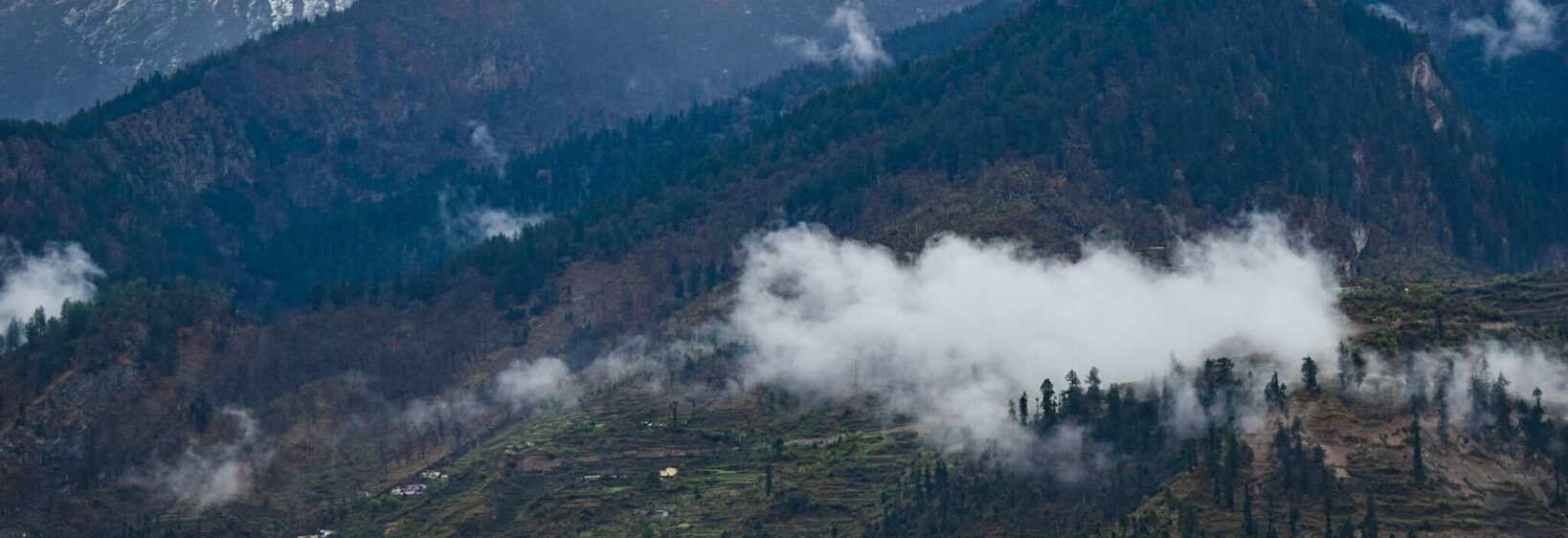
Askot Wildlife Sanctuary: Flora, Fauna, And Himalayan Landscapes
In Pithoragarh district, where the Kumaon Himalaya rises towards the valleys of Nepal and Tibet, Askot Wildlife Sanctuary protects a dramatic mosaic of forests, alpine meadows, river corridors, and high mountain slopes. The sanctuary is especially known for its connection with the endangered Himalayan musk deer, although its ecological value extends far beyond one species.
Askot is a destination for travellers who enjoy quiet landscapes, birdwatching, village culture, and slow exploration rather than crowded sightseeing. Roads become narrow and rugged as they approach the sanctuary, while many forest routes require local guidance, careful planning, and respect for protected-area regulations.
The changing altitude creates several habitats within a relatively compact region. Warm foothill vegetation gradually gives way to oak and conifer forests, rhododendron stands, birch woodland, and open alpine terrain. This variety makes every journey through the sanctuary visually and ecologically rewarding.
A High-Altitude Sanctuary In Kumaon
Askot lies near Pithoragarh and the important borderland routes leading towards Dharchula, the Kali River, and the valleys of Darma and Kuthi Yankti. The landscape is shaped by steep ridges, deep gorges, glacial streams, and settlements built along mountain roads.
The sanctuary was established to conserve Himalayan wildlife, with the musk deer as one of its principal conservation symbols. Its remote setting provides valuable habitat for animals that need extensive, relatively undisturbed mountain forests.
Travel conditions vary sharply with season. Monsoon rain can trigger landslides, while winter may bring snow to higher routes. Spring and autumn generally offer clearer views and more comfortable conditions for nature walks and photography.
Forests, Flowers, And Alpine Plants
The lower and middle elevations include broadleaf forests dominated by oak, with chir pine appearing in drier areas. Deodar, fir, spruce, and other conifers become more prominent as the terrain rises. Rhododendron trees add vivid colour during the flowering season, usually from late winter into spring depending on altitude and weather.
Higher slopes support birch, juniper, dwarf shrubs, grasses, and hardy alpine herbs. Many plants flower for a short period after the snow retreats, creating colourful patches across meadows and rocky clearings. These fragile areas should be admired without picking flowers or leaving marked trails.
The sanctuary’s flora also supports local livelihoods and traditional knowledge. Villagers have long depended on forest resources, pasturelands, and medicinal plants, making conservation closely connected with community practices and responsible use of the landscape.
Mammals Of The Himalayan Slopes
The Himalayan musk deer remains the sanctuary’s most famous inhabitant. It is shy, mostly solitary, and difficult to spot because it prefers dense cover and is most active during low-light hours. A quiet forest approach is far more valuable than a rushed search for a sighting.
Other possible mammals include Himalayan goral, bharal, serow, barking deer, wild boar, and several species of langur. Himalayan black bears and leopards also occur in the wider mountain environment, though sightings are uncommon and should always be treated with caution.
The presence of predators is an important sign of ecological balance. Visitors should never follow animal tracks into thick forest, approach young animals, or leave food behind. Carrying binoculars allows wildlife observation without disturbing animals.
Birds, Butterflies, And Forest Life
Askot’s varied elevations make it a rewarding destination for birdwatchers. Himalayan monal, koklass pheasant, kalij pheasant, eagles, vultures, woodpeckers, laughingthrushes, and several smaller songbirds may be seen in suitable habitats. Early mornings are usually best for hearing bird calls and watching activity around forest edges.
Butterflies and other pollinators are especially noticeable during the warmer months. Streams, flowering shrubs, and sunny clearings attract insects that support birds and contribute to the health of mountain ecosystems.
A camera with a moderate telephoto lens is more useful than a flash. Patience, silence, and observation of animal behaviour produce better photographs while reducing pressure on wildlife.
Culture Along The Mountain Routes
A visit to Askot is also a journey through Kumaoni and borderland culture. Villages, seasonal migration routes, traditional homes, local foods, and regional languages reveal how people have adapted to steep terrain and a demanding climate.
Pilgrimage traditions are woven into many journeys across Uttarakhand. Travellers extending their route towards Joshimath can explore the region through this pilgrim’s photo journey, which offers useful cultural context before or after a wildlife-focused itinerary.
Local guides can provide insight into plants, folklore, sacred groves, and mountain customs that are easy to miss from a vehicle. Hiring them also supports residents who understand changing weather, forest paths, and village etiquette.
| Feature | What Visitors May Experience | Best Approach |
|---|---|---|
| Forest habitat | Oak, pine, rhododendron, fir, and birch | Walk quietly with a local guide |
| Signature mammal | Himalayan musk deer | Use binoculars and avoid chasing sightings |
| Other wildlife | Bharal, goral, serow, langur, bear, and leopard | Keep distance and never feed animals |
| Birdlife | Monal, pheasants, eagles, woodpeckers, and songbirds | Begin early and carry a field guide |
| Mountain culture | Villages, pilgrim routes, food, and local traditions | Ask permission before photographing people |
| Travel conditions | Remote roads, altitude changes, and seasonal closures | Check access and weather before departure |
Planning A Responsible Nature Trip
Access to the sanctuary is best planned through Pithoragarh or nearby mountain towns, depending on the chosen trail and current road conditions. Visitors should confirm entry rules, accommodation, transport, and whether a forest permit or registered guide is required.
Useful preparations include:
- Choose spring or autumn for comfortable weather and clearer mountain views.
- Carry warm layers, rain protection, sturdy footwear, water, and basic medicines.
- Use binoculars, muted clothing, and a camera without flash.
- Follow designated routes and carry every wrapper or bottle back out.
- Respect village customs, forest staff, wildlife, and restricted border-area regulations.
Accommodation may range from modest guesthouses to homestays in nearby settlements. Staying locally makes it easier to begin early, learn about current conditions, and contribute directly to mountain communities.
Make Askot Part Of A Wider Kumaon Journey
Askot Wildlife Sanctuary rewards travellers who value patience, biodiversity, and cultural depth. Its musk deer, alpine flora, pheasants, remote valleys, and village landscapes create an experience that feels far removed from conventional tourist circuits.
Plan your route with local assistance, check the latest access information, and keep your visit low-impact. Bring a respectful curiosity, spend time observing rather than chasing wildlife, and let the sanctuary’s forests and high valleys shape the journey.