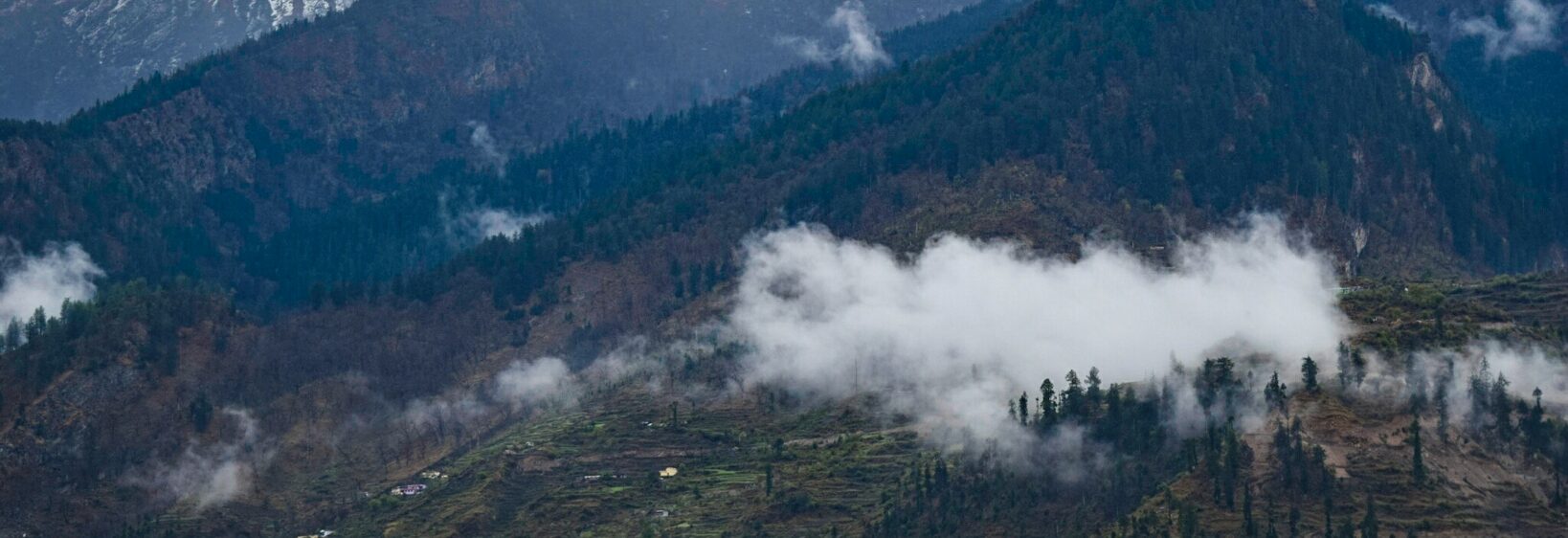
The Sattal Lake System: Macro Photography of Dragonflies and Lilies
Sattal, a cluster of interconnected lakes near Nainital in Uttarakhand, offers a rich setting for close-up nature photography. Oak and pine forests surround the water, while reeds, floating leaves and damp woodland create habitats for dragonflies, damselflies, butterflies and aquatic flowers.
For photographers travelling from Australia, the area feels wonderfully different from a suburban park in Melbourne or a coastal reserve near Brisbane. The changing altitude, monsoon moisture and Himalayan light make every visit unpredictable, rewarding patience rather than a quick collection of images. The Uttarakhand photo guides offer useful visual context for planning a wider journey through the region.
Reading Sattal as a living wetland
The Sattal lake system is made up of several water bodies linked by narrow channels and marshy edges. Each section has its own photographic character: open water reflects the sky, shaded banks produce deep green backgrounds, and quiet inlets often hold dragonflies resting on stems.
Morning is particularly valuable because insects are less active after the cool night. Dew may remain on grasses and lily leaves, giving macro frames extra texture. Look closely at the background before pressing the shutter; a smooth reflection or dark patch of forest can make a small subject stand out more clearly than a busy shoreline.
Timing the light and the insects
Dragonflies frequently perch on the same twig, reed or leaf between short flights. Watch one individual for several minutes and learn its route. When it returns to a familiar perch, pre-focus on that point and wait rather than chasing it around the lake.
Soft light is usually kinder to iridescent wings than strong midday sun. An early start also avoids the busiest periods around boating areas and lakeside paths. Visitors accustomed to Australia’s habit of beginning outdoor walks early to escape summer heat will find that routine especially useful here, although Sattal’s mountain mornings can be cool even when the afternoon becomes warm.
A practical field kit
A 90mm to 105mm macro lens is versatile for dragonflies, flower details and portraits of wetland plants. A longer 150mm or 180mm macro lens gives more working distance when insects are easily disturbed. A camera with focus peaking or animal autofocus can help, but careful manual focusing remains valuable for the eyes and wing veins.
| Subject | Useful starting settings | Main priority |
|---|---|---|
| Perched dragonfly | 1/500 sec, f/5.6–f/8, Auto ISO | Sharp eyes and wing detail |
| Dragonfly in flight | 1/1600 sec or faster, continuous AF | Shutter speed and timing |
| Lily or floating leaf | 1/250 sec, f/8–f/11, low ISO | Texture and layered focus |
| Dew-covered stem | 1/200 sec, f/4–f/5.6 | Isolated background |
A lightweight monopod can steady a long lens without the bulk of a tripod. Carry a lens cloth, rain cover, spare batteries and a waterproof pouch because mist and sudden showers are common in the hills. Australian buyers may find specialist macro equipment readily available through camera retailers in Sydney or Melbourne, while local second-hand markets can be useful for extension tubes and older manual lenses.
Focusing on dragonflies
Dragonflies are excellent macro subjects because their transparent wings, patterned abdomens and reflective eyes remain recognisable even in a tight crop. Side-on compositions show the full wing structure, while a front-facing image can emphasise the eyes and mouthparts.
Use a narrow aperture when the insect is parallel to the sensor, but avoid relying on excessive depth of field. At close range, f/16 may soften detail through diffraction and still leave parts of the body blurred. Several frames at slightly different focus distances can provide a stronger sequence, especially when the insect remains still.
Photographing lilies without disturbing the water
Lilies and other floating plants work well as environmental subjects because their leaves reveal the character of the lake. Photograph from the bank whenever possible. A low viewpoint can place the flower against a distant reflection, while a higher angle shows the patterns formed by leaves, ripples and submerged stems.
Avoid stepping into shallow water or moving vegetation to create a cleaner frame. Small disturbances can damage eggs, larvae and shelter used by aquatic insects. A polarising filter may reduce glare, although rotating it too far can remove attractive reflections that help identify the wetland setting.
Responsible travel from Australia
Sattal’s wildlife is easily affected by noise, trampling and discarded food. Keep voices low, leave flowers and insects where they are, and follow local guidance around boating, forest access and photography. Drones should never be flown casually near people or wildlife; Australian travellers may know CASA’s registration and operator-accreditation rules for many recreational drones, but those rules do not replace permission from Indian authorities.
Before returning to Australia, clean mud, seeds and organic matter from boots, tripod feet and camera bags. Australia’s Biosecurity Act 2015 supports strict controls on materials that could carry pests or disease, and travellers may need to declare risk items. This simple care protects both Sattal’s wetland and Australia’s sensitive ecosystems, allowing the photographs to remain the lasting trace of a careful visit.