Badrinath Temple: Architecture, Worship and Human Stories
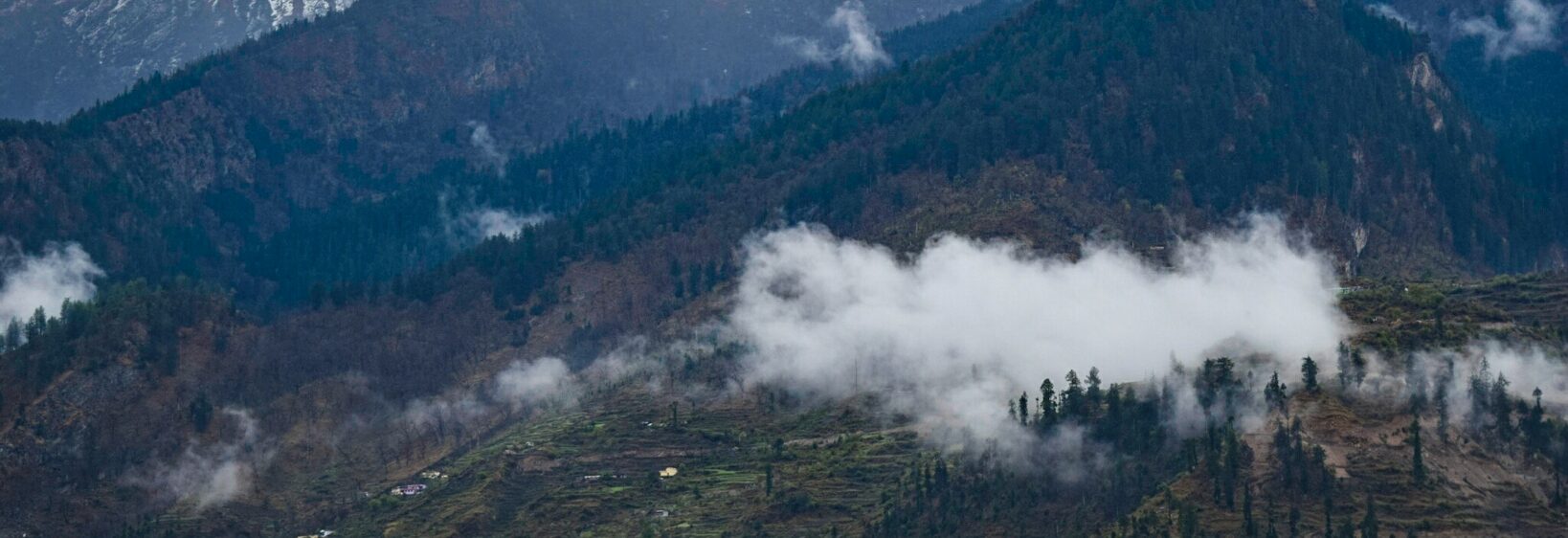
At more than 3,000 metres in Uttarakhand’s Chamoli district, Badrinath Temple stands beside the Alaknanda River against a dramatic Himalayan backdrop. It is one of the Char Dham pilgrimage sites and one of the most revered Vaishnavite temples in India, dedicated to Lord Vishnu as Badrinarayan.
The temple’s bright façade, mountain setting and continuous stream of pilgrims create a powerful visual story. Yet its character is found in quieter details too: folded hands at the entrance, woollen shawls against the cold, priests preparing rituals and families sharing a moment after darshan.
For travellers from Sydney, Melbourne or Brisbane, Badrinath offers an experience far removed from an ordinary city weekend. The journey involves altitude, narrow mountain roads and changing weather, so photography should be balanced with patience, cultural awareness and practical preparation.
A colourful gateway to the Himalayas
Badrinath Temple has a distinctive architectural appearance, with a colourful entrance tower, arched windows and decorative details influenced by northern Indian temple traditions. Its form has changed through repairs and renovations over time, reflecting the effects of earthquakes, snow, weather and centuries of pilgrimage.
The main building includes the Garbhagriha, or sanctum, where the black stone image of Lord Badrinarayan is worshipped. Other important spaces include the Sabha Mandap, where devotees gather, and the Darshan Mandap, associated with ritual viewing and prayer. The bright exterior contrasts with the austere landscape surrounding it.
Sacred spaces and visual detail
The temple complex is more than a single structure. Nearby features such as Tapt Kund, a natural hot spring traditionally used by pilgrims, add to the religious geography of the site. The Alaknanda’s rushing water and the snow-covered peaks help explain why the setting feels inseparable from the worship.
Visitors should follow signs and directions from temple authorities, particularly around queues and photography restrictions. A camera may capture the façade, bells, stonework and surrounding scenery, but the inner sanctum is governed by rules that can change with the season, festival calendar or security arrangements.
The human portrait of pilgrimage
Devotee portraits can reveal the emotional character of Badrinath more clearly than a wide landscape photograph. An elderly pilgrim adjusting a woollen cap, a family resting beside the river or a priest walking through the courtyard may communicate fatigue, devotion and anticipation in a single frame.
Portrait photography requires care. Ask permission before making a close photograph, explain if the image is for a blog, and accept refusal without argument. This approach is especially important during prayer, mourning, private family rituals or moments when someone is visibly distressed.
Colour, clothing and changing light
The temple’s painted reds, blues and yellows become especially vivid in soft morning light. Devotees’ shawls, tilak marks, prayer beads and traditional garments provide additional colour, while the darker tones of stone and mountain slopes create visual balance.
Midday light can be harsh at high altitude, and clouds may arrive quickly. Early morning and late afternoon are often better for architectural photography, although temple activity and access should take priority. A compact camera or phone is easier to manage than a large kit in crowded spaces.
Planning the mountain journey
Badrinath is generally accessible during the open pilgrimage season, while heavy winter snowfall closes the temple for several months. Check current road conditions, opening dates, accommodation and local transport before leaving. Travel arrangements advertised online should clearly explain inclusions, cancellation terms and additional charges under the Australian Consumer Law when sold to Australian customers.
Visitors accustomed to Melbourne trams or Sydney’s straightforward public transport network may find the mountain journey slower and less predictable. Carry warm layers, sun protection, personal medication and water, and allow extra time for traffic, landslides or weather-related delays.
Photographing with an Australian perspective
Australian visitors often travel during school holidays and may naturally plan around familiar habits such as early starts, reusable water bottles and card payments. In Uttarakhand, cash remains useful in smaller markets, and mobile connectivity can be inconsistent. Local shops may also have limited stock outside the main season.
Photography should respect both Indian temple customs and Australian privacy expectations. Australia’s Privacy Act primarily regulates organisations and agencies rather than casual personal photography, but consent remains the safest practice, especially when publishing identifiable portraits online. The photo travel archive offers useful inspiration for combining landscapes with local visual stories.
Practical guidance for respectful images
A thoughtful Badrinath photo essay can document architecture, pilgrimage and daily life without turning worshippers into scenery. These habits help preserve dignity while producing stronger, more honest photographs:
- Ask before taking a recognisable close-up portrait.
- Avoid photographing inside restricted temple areas.
- Keep clear of queues, ritual spaces and moving processions.
- Use a quiet shutter setting where appropriate and avoid intrusive flash.
- Dress modestly and follow instructions from temple staff.
- Carry spare batteries because cold temperatures reduce battery life.
- Caption images accurately, including the place and cultural context.
- Never offer money in exchange for a devotional portrait without clear agreement.
The most memorable images may be simple: a devotee’s hands joined before the temple, steam rising from Tapt Kund, or a line of pilgrims moving beneath the colourful façade. Such photographs connect the architecture of Badrinath with the people who give the sacred complex its living presence.