Tehri Reservoir Kayaking And Water Reflection Photography
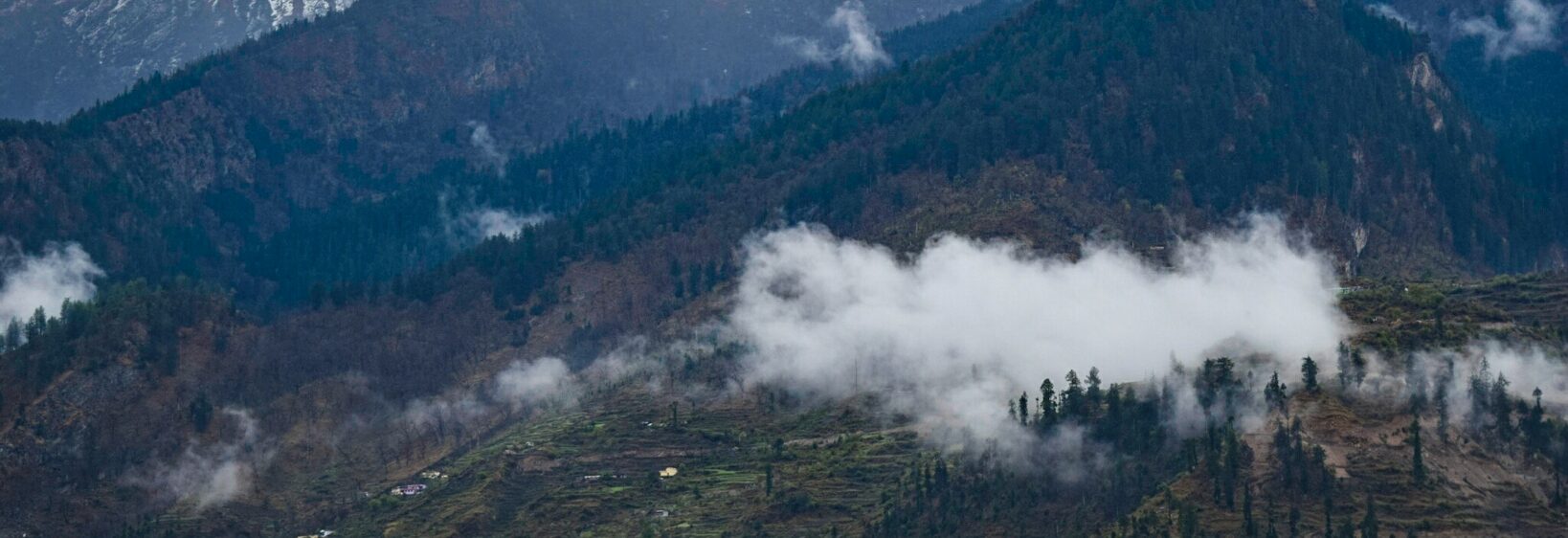
Tehri Dam Reservoir spreads across the mountain valleys of Uttarakhand, where blue-green water meets steep forested slopes and distant Himalayan ridges. The vast lake, formed by the Bhagirathi River, offers a very different experience from the state’s crowded pilgrimage routes: quiet coves, shifting light, village views and open water suited to gentle adventure.
For visitors from Australia, the reservoir is an appealing addition to a Garhwal itinerary. It combines kayaking, landscape photography and local culture in one destination, while remaining accessible from Rishikesh, Dehradun and Mussoorie. Travellers who usually plan a “big day out” on the water around Sydney Harbour, Rottnest Island or Queensland’s coast will find a more mountainous and slower-paced setting here.
The Landscape Around Tehri Lake
The reservoir lies near New Tehri in the Tehri Garhwal district. Its long, irregular shoreline follows valleys once occupied by villages and roads, creating a striking contrast between submerged landscapes and the modern hill town above. On calm mornings, the water can appear almost glassy beneath layers of ridges.
The scenery changes with the season. Summer brings clearer skies and strong visibility, while winter often provides crisp air and softer golden light. During the monsoon, cloud, rain and landslide-prone roads can affect travel plans, although the misty atmosphere may appeal to photographers seeking a more dramatic mood.
Kayaking On The Reservoir
Kayaking at Tehri generally takes place in sheltered sections of the lake with trained guides and support boats nearby. Beginners can usually start with an orientation covering paddle technique, balance, capsize procedures and basic water awareness. A recreational kayak trip may last from a short introductory session to several hours, depending on weather and the operator’s schedule.
The reservoir is not a beach holiday setting. Wind can rise quickly, water temperatures may feel cold, and distances become deceptive among the coves. Wear a properly fitted life jacket, follow the guide’s route and avoid paddling alone. Australian visitors familiar with kayaking at Noosa River or the Gippsland Lakes should still treat this as a highland environment with different rescue conditions.
Best Conditions For Reflection Photography
Still water is the key to strong reflection images. Early morning often produces the calmest surface, before wind and boat movement create ripples. Position the kayak near a quiet inlet, keep movements controlled and use the natural lines of the shoreline to lead the viewer towards the reflected peaks.
A polarising filter can reduce glare, but it should be rotated carefully because reflections are part of the subject. A wide-angle lens captures the relationship between water and mountains, while a short telephoto lens can isolate repeated patterns of ridges, trees and floating clouds. Shoot in RAW where possible, and protect cameras from spray with a dry bag or waterproof pouch.
Light, Colour And Local Details
The reservoir’s colour can shift from slate grey to turquoise depending on cloud cover, sediment and the angle of the sun. Sunrise provides cool tones and delicate reflections; late afternoon adds warmth to the slopes. A few ripples across the foreground can improve an image by creating texture instead of leaving the frame perfectly flat.
Photography should include more than the broad panorama. Capture paddles entering the water, a guide preparing a kayak, prayer flags near a roadside shrine or terraces climbing the hillsides. These details connect the image to Uttarakhand’s lived landscape. For visual travel ideas and regional stories, browse Uttarakhand travel stories before planning a wider route.
Planning The Visit From Australia
Most Australian travellers will reach Tehri through Delhi, followed by a domestic flight or overland journey towards Rishikesh, Narendra Nagar and New Tehri. Allow extra time for mountain roads; a distance that looks modest on a map can take several hours. Hiring a local driver is often more practical than relying on multiple buses, particularly when carrying camera equipment.
The Australian travel market is accustomed to booking around school holidays, and the same habit matters here: Indian holiday periods can make accommodation and activity spaces busier. It is worth checking operators in advance rather than assuming a casual walk-up booking will be available. Australians often say “arvo” for afternoon, but an afternoon departure at Tehri should still be confirmed using the operator’s exact meeting time, as local schedules may change with weather and transport delays.
Responsible Travel And Water Safety
The reservoir is connected to communities, religious traditions and a major hydroelectric project, so visitors should behave respectfully around settlements, temples and working facilities. Ask before photographing residents, avoid flying a drone near restricted infrastructure and take all packaging back with you. Local food stalls and small guesthouses benefit more directly when travellers spend locally instead of treating the lake as a quick photo stop.
Water activities should be booked with a reputable provider that supplies serviceable equipment, trained staff and clear safety instructions. Check whether photography gear can be secured during kayaking, and never sacrifice a life jacket or stable position for a shot. If conditions turn rough, the best image may be the one taken from shore.
Practical Tips For A Smoother Trip
A little preparation makes the reservoir easier to enjoy, especially for visitors combining outdoor activities with a broader Uttarakhand holiday.
- Travel between October and June for more dependable road and boating conditions.
- Carry a dry bag, lens cloth, spare batteries and a lightweight rain shell.
- Book kayaking with a licensed or well-reviewed local operator.
- Start photography early for calmer water and gentler light.
- Keep camera straps secured and avoid changing lenses inside the kayak.
- Carry cash for small purchases, as card facilities may be limited outside larger towns.
- Add Rishikesh, Devprayag or Mussoorie if time allows for a varied regional itinerary.
The Tehri reservoir rewards patience rather than speed. A quiet paddle, a brief pause in a sheltered bay and careful attention to changing light can produce images that feel more personal than a standard viewpoint panorama. For Australian visitors, it offers a memorable mix of mountain travel, water adventure and the textured cultural landscape of Uttarakhand.