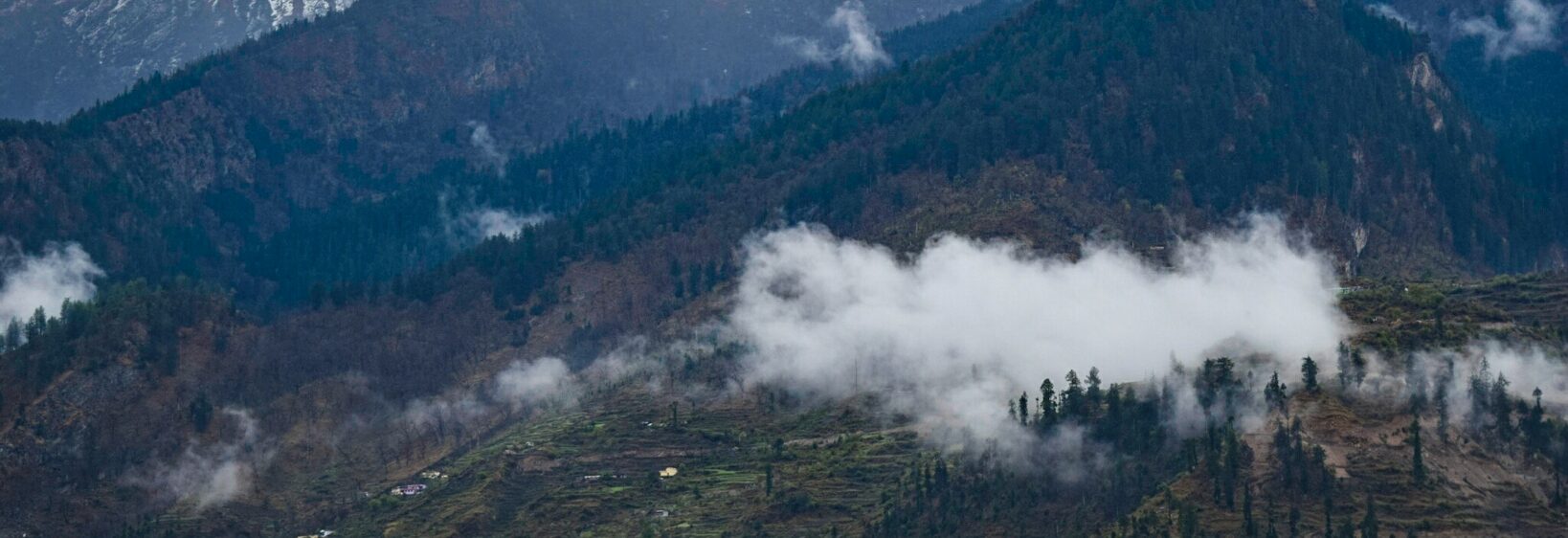
The Devprayag confluence: photographing two rivers becoming one
Devprayag is one of Uttarakhand’s most remarkable landscapes, where the turquoise-green Alaknanda meets the darker, faster Bhagirathi. From this sacred meeting point, the river is known as the Ganga, creating a powerful scene for photographers and travellers interested in Himalayan geography, faith and daily life.
The town sits in the Garhwal Himalayas along the road between Rishikesh and the higher pilgrimage centres. Steep hillsides, stone homes, temple bells and river terraces shape the view. The famous sangam changes character throughout the day as sunlight moves across the water and clouds gather above the ridges.
For visitors travelling from Australia, Devprayag offers a slower experience than the busy streets of Delhi or the cafés of Melbourne. A practical itinerary can combine the confluence with Rishikesh, Tehri or Rudraprayag, while a broader collection of regional images and travel notes is available through Uttarakhand travel stories.
| Viewpoint or moment | Visual character | Useful approach |
|---|---|---|
| Suspension bridge | Wide view of both channels and the meeting point | Use a moderate wide-angle lens |
| Riverside steps | Reflections, pilgrims and moving water | Photograph respectfully from a stable position |
| Upper road | Layered hills and the town below | Visit in soft morning or late-afternoon light |
| Monsoon season | Strong currents and dramatic cloud | Keep well back from the water’s edge |
Understanding the river meeting
The Bhagirathi rises near Gaumukh and Gangotri, while the Alaknanda gathers water from several Himalayan valleys, including areas around Badrinath and Mana. Their union at Devprayag is traditionally regarded as the beginning of the Ganga, giving the town deep importance in Hindu pilgrimage.
The colour contrast can be subtle or striking. Sediment, rainfall, glacial melt and the season influence the appearance of each river. During the monsoon, both channels may become broad and brown, with powerful currents. In clearer winter weather, the dividing line may be easier to see from elevated viewpoints.
Finding the best photographic viewpoints
The bridge and roads above the town provide broad compositions of the confluence, temple roofs and folded mountain slopes. A polarising filter can reduce glare on bright days, though it should be used carefully when the scene includes reflective water and deep shadow. Early morning often gives cleaner air, while late afternoon warms the buildings and exposed rock.
A telephoto lens helps isolate the meeting currents, boats, steps and small human figures against the scale of the valley. A wide lens is better for including the entire amphitheatre of hills. Keep camera equipment protected from dust and sudden rain, and carry spare batteries because cold conditions and frequent image reviewing can reduce battery life.
Photographing a living pilgrimage town
Raghunathji Temple is central to Devprayag’s religious identity, and the surrounding lanes remain active with worshippers, shopkeepers and residents. Photography inside temples may be restricted, so observe signs and ask permission before taking pictures of priests or ceremonies. Images of bathing pilgrims deserve the same privacy given to people in any sacred setting.
Australian visitors may notice a different rhythm from everyday life in Sydney or Brisbane: shop shutters can open later, roads may slow around processions, and small stalls often depend on cash payments. Bargaining should remain polite, while purchases from local tea shops, handicraft sellers and family-run lodgings contribute directly to the town’s local market.
Planning the journey from Australia
Most travellers from Australia begin with an international flight to Delhi, then continue by domestic flight or train connections towards Haridwar or Dehradun. From there, a hired car, taxi or bus is usually more practical than attempting to drive independently on unfamiliar mountain roads. The final approach includes bends, occasional traffic delays and sections affected by rain or road maintenance.
Allow extra time rather than building a tightly packed schedule. Australian bushwalkers may be accustomed to marked tracks and emergency signage, but Himalayan roads and riverside paths can have fewer barriers. Travel insurance should cover trekking, medical evacuation and cancellations, and tour bookings should clearly state inclusions, taxes and refund conditions under the expectations of Australian Consumer Law.
Visiting responsibly in every season
The safest photographs are taken from established roads, terraces and steps rather than unstable riverbanks. Never enter the channel to create a closer composition: currents can change quickly, especially after rain or upstream dam releases. Comfortable shoes, sun protection, drinking water and a light rain layer are useful throughout the year.
Avoid plastic waste, leave flowers and religious offerings where local customs allow, and do not disturb ceremonies for a photograph. Monsoon travel brings lush hills and dramatic skies but also landslide and flooding risks. Autumn and spring generally offer a comfortable balance of visibility and access, while winter mornings can be cold even when the afternoon feels pleasantly bright.
Devprayag rewards patient observation. The strongest images often include several layers at once: the two rivers, the temple town, a passing pilgrim and the immense mountain backdrop. By treating the confluence as a sacred landscape and a lived community rather than a simple viewpoint, visitors can record its beauty with greater accuracy and respect.