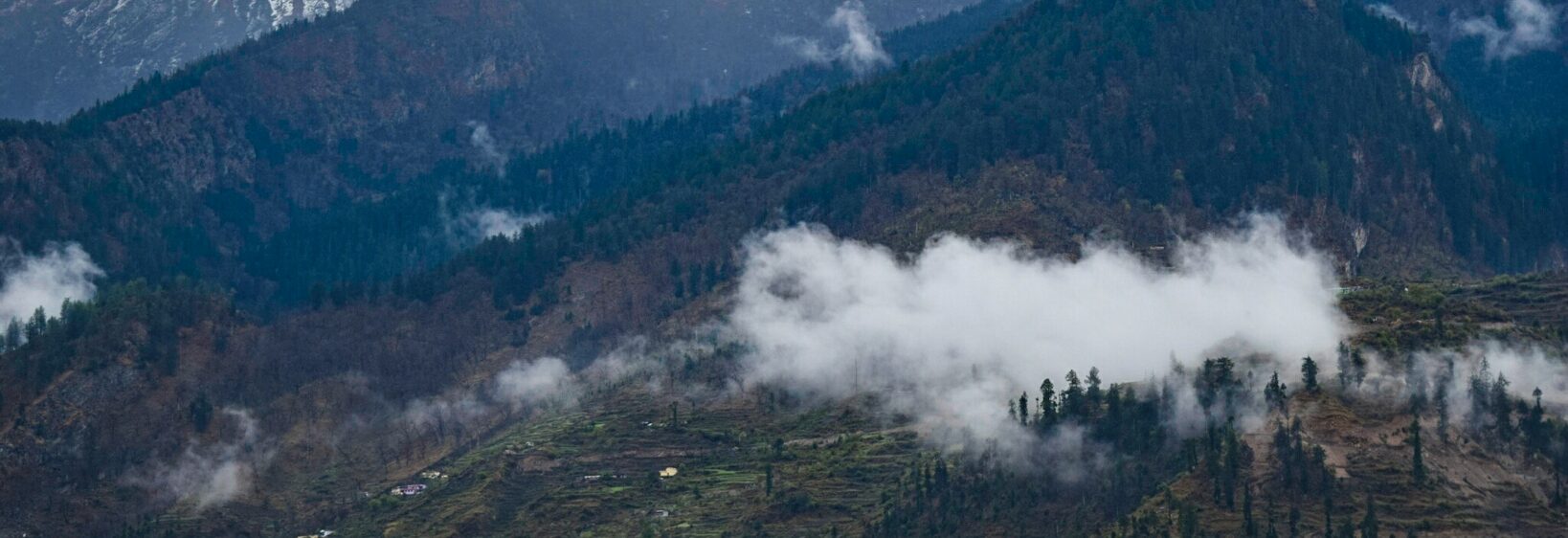
Kanatal Camping Under Uttarakhand’s Dark Himalayan Sky
The Kanatal Camping Site: Night Sky Photography with Zero Light Pollution is an appealing idea for travellers who want far more than a daytime mountain view. Kanatal, in Uttarakhand’s Tehri Garhwal district, sits among pine forests, apple orchards and open Himalayan ridges where the night can feel wonderfully expansive.
On a clear evening, the sky becomes the main attraction. Stars appear above the ridgelines, the Milky Way can show through in the darker hours, and the quiet surroundings make long-exposure photography feel genuinely immersive. The area is remote enough to limit artificial glow, although “zero light pollution” is best understood as an exceptionally dark rural setting rather than a scientific guarantee.
For visitors from Australia, Kanatal offers a very different stargazing experience from a backyard in Sydney or Melbourne. Even Australians familiar with the Outback, the Flinders Ranges or the dark skies around regional Western Australia may enjoy the contrast of Himalayan altitude, cool forest air and traditional mountain villages.
The local camping market usually combines tents, meals, guided walks, transfers and bonfires into a package. Prices and comfort vary, so it is wise to check whether a campsite has proper bedding, toilets, power backup and transport from Dehradun before booking.
Why Kanatal suits astrophotography
Kanatal’s elevation and relatively sparse development help reduce stray illumination. Small villages and scattered resorts create far less skyglow than a major hill station, while the surrounding slopes block some distant lights. The clearest views are usually found away from campsite buildings, roads and fire areas.
The best compositions combine the stars with a recognisable foreground: a pine tree, tent silhouette, ridge line or distant Himalayan outline. A wide-angle lens, sturdy tripod and manual focus are more useful than a heavily zoomed lens, especially when working in near darkness.
Choosing the right season
October to November often brings crisp air after the monsoon, clean visibility and comfortable camping conditions. March to May can also be pleasant, with blooming vegetation and relatively mild nights. Winter provides sharp skies but can be genuinely cold, particularly before sunrise.
Cloud can arrive quickly in the mountains. Before travelling, check the moon phase, local weather and cloud cover rather than relying only on a general forecast for Mussoorie or Dehradun. A new-moon period is useful for photographing faint stars, while a bright moon can illuminate a ridge and create a different style of landscape image.
A practical camera setup
Shoot in RAW and begin with a wide aperture, a shutter speed of roughly 10 to 20 seconds, and a high ISO adjusted to the brightness of the sky. A two-second timer or remote release helps prevent movement when pressing the shutter. Disable autofocus after focusing on a bright star or distant light.
Carry spare batteries, memory cards and a head torch with a red-light mode. Cold conditions reduce battery life, and a small lens cloth is valuable when moisture forms on the glass. Australian photographers used to coastal humidity, such as a damp evening near Hobart, will recognise the need to protect equipment from condensation when moving between tents and open air.
| Equipment or condition | Useful choice for Kanatal |
|---|---|
| Camera | Interchangeable-lens camera with manual controls |
| Lens | Fast wide-angle lens, ideally f/2.8 or wider |
| Support | Solid tripod with weighted centre column |
| Light | Red head torch and low-power safety lamp |
| Power | Two spare batteries or a reliable power bank |
| Clothing | Thermal layers, woollen socks and windproof outerwear |
Working with the landscape
Avoid placing a bright torch or campfire directly in the frame. Ask other campers to keep lights low during an exposure, and take a few test shots to judge how much of the foreground is visible. A short low-power light paint can reveal a tent or tree, but subtle illumination usually looks more natural.
Daylight scouting is essential. Walk around the campsite before dark, identify safe paths and find a clear view towards the open horizon. The same ridges that create excellent sunrise images can become difficult obstacles at night, so stay within marked areas and never wander close to steep edges.
Balancing stars with local life
Kanatal is a lived-in mountain area, not simply a photography set. Respect village privacy, ask before photographing people and avoid entering farmland or temple grounds without permission. Early morning smoke from kitchens, bells and distant footsteps can add atmosphere, but only when captured sensitively.
The changing mountain weather also makes daytime photography rewarding. Those interested in atmospheric landscapes may enjoy this guide to foggy Mussoorie mornings, especially when planning a wider Uttarakhand photography journey.
Reaching the campsite
Most travellers approach Kanatal from Dehradun, Mussoorie, Chamba or Rishikesh by road. A private taxi is convenient for camera bags and tripods, while shared vehicles can be less predictable with timing and luggage. Allow extra travel time because winding mountain roads are affected by traffic, weather and roadworks.
Australians should remember that distances on a map can be misleading in the Himalayas. A route that appears short may take several hours, and late-night driving is best avoided. Organised camping packages can simplify transfers, meals and local permissions, particularly for visitors unfamiliar with Indian mountain roads.
Camping comfortably after dark
Confirm whether the package includes a mattress, blanket, attached bathroom, hot water and electricity. Some camps are comfortable glamping properties; others provide basic canvas tents with shared facilities. Mobile reception may be intermittent, so download maps, booking details and emergency contacts before leaving the main towns.
Keep food sealed, use designated fire areas and follow the campsite’s waste rules. A quiet, low-light camp protects both the photography experience and the surrounding environment. With preparation, Kanatal delivers a memorable night beneath a dark Himalayan sky, followed by pine-scented mornings and broad views across Uttarakhand.