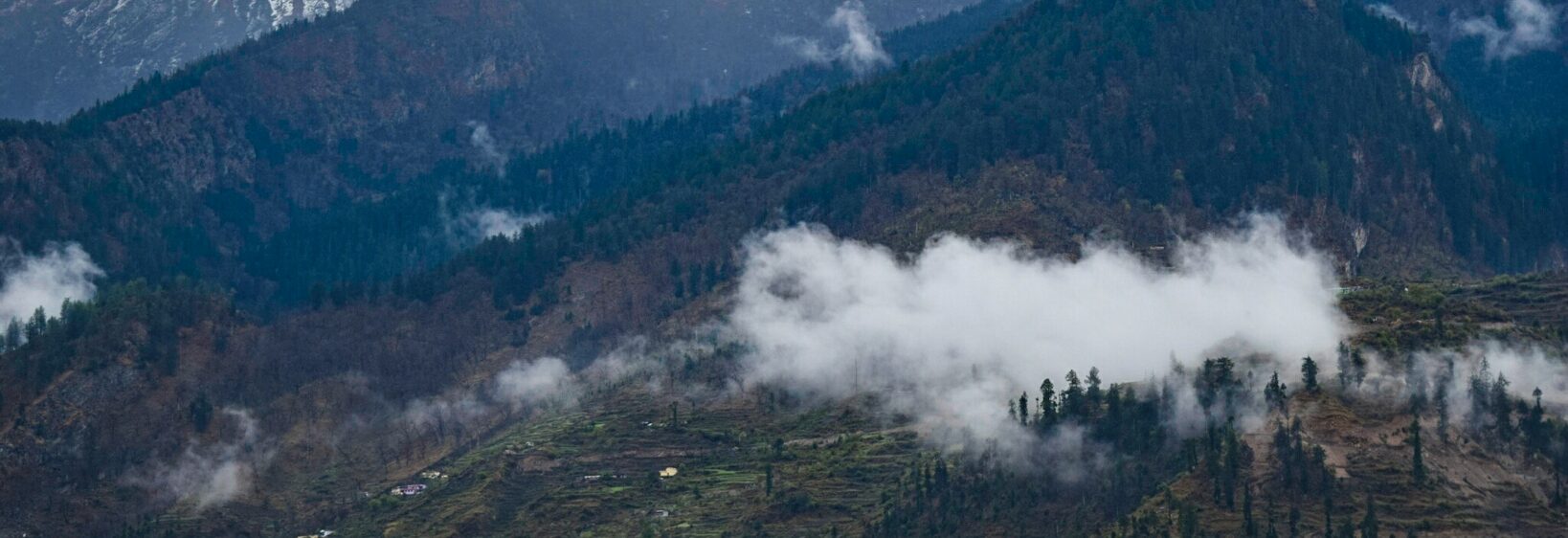
Mukteshwar Temple: sunset silhouettes in the Himalayas
High above the Kumaon hills, Mukteshwar Temple offers a quiet setting for travellers who enjoy mountain scenery, living traditions and thoughtful photography. The small stone shrine stands near Mukteshwar town in Uttarakhand, with Himalayan ridges unfolding beyond forested slopes and terraced fields.
At sunset, the landscape changes quickly. Temple bells, pine-scented air and the darkening outline of distant peaks create a memorable scene, especially for visitors accustomed to Australia’s broad coastal horizons or the sandstone colours of the Blue Mountains. A visit combines pilgrimage, local culture and a rewarding hill-station escape.
The temple and its mountain setting
Dedicated to Lord Shiva, the temple is traditionally believed to be around 350 years old. It sits at approximately 2,312 metres above sea level, reached by a flight of stone steps. The climb is manageable for many travellers, although the altitude and uneven surfaces make a slow pace sensible.
The shrine forms part of a wider attraction that includes Chauli Ki Jali, a rocky viewpoint popular for dramatic valley views. On a clear evening, layers of Himalayan peaks may catch the last light before becoming silhouettes. The nearby Sat Tal day trip can extend a Mukteshwar itinerary with forest walks and tranquil lakes.
Reaching Mukteshwar from Australia
Most Australian visitors travel first to Delhi, with connecting options by domestic flight or train towards Kathgodam and then a road journey into the hills. Delhi is usually the practical international gateway from Sydney, Melbourne, Brisbane or Perth, though flight schedules vary. From Kathgodam, Mukteshwar is roughly a three-hour drive, depending on traffic and road conditions.
The final approach is winding and can feel very different from driving between Australian regional towns. Hiring a local driver is often easier than self-driving, particularly after dark. Allow extra time during Indian public holidays, school breaks and monsoon periods, when traffic, rain or small landslides may slow the route.
Customs around a living shrine
Mukteshwar Temple remains an active place of worship rather than simply a photo stop. Remove shoes before entering the main shrine area, dress modestly and avoid photographing devotees during private prayers. A lightweight scarf, long trousers or a loose long-sleeved top can be useful for respectful temple visits.
Offerings such as flowers, fruit and milk are commonly available from local stalls. Ask before photographing priests, vendors or worshippers, and keep voices low near the sanctum. Australian visitors used to informal access at outdoor heritage sites should remember that religious etiquette here is part of the experience.
Photographing the sunset silhouettes
The most effective compositions often include the temple roof, bells, prayer flags or a nearby pine branch against the fading sky. Arrive 45 to 60 minutes before sunset to find a stable viewpoint and observe how the light moves across the ridges. A small tripod is useful, but keep it clear of pathways and worshippers.
A phone can capture strong results if you tap to expose for the brighter sky, then slightly reduce exposure. Wide-angle images show the scale of the mountains, while a short telephoto lens compresses the layered ridgelines. Unlike Australia’s summer evenings, sunset temperatures can fall rapidly, so keep a warm layer accessible rather than leaving it in the vehicle.
Choosing the best season
March to June usually brings comfortable daytime conditions and clearer walking weather, although popular weekends can be busy. October and November are especially attractive for crisp mountain views after the monsoon. Winter can offer sharp visibility and occasional frost, but early sunsets and cold evenings require more preparation.
July to September brings greener hills and atmospheric cloud, yet heavy rain may affect roads and visibility. Sunrise and sunset times should be checked locally because the experience depends on arriving before the final golden light. Carry water, sun protection and sturdy footwear in every season; high-altitude sunlight can be intense even when the air feels cool.
Food, stays and practical spending
Mukteshwar has guesthouses, small hotels, homestays and cafés, with more choices around the market and road junctions. Facilities are simpler than those in major Australian resort towns such as Cairns or Queenstown-style alpine destinations. Confirm heating, hot water, power backup and transport arrangements before booking, particularly in winter.
Cash remains useful for temple offerings, village cafés and small shops, even though larger hotels may accept cards or digital payments. Prices are generally modest by Australian standards, but remote-area transport can form a significant part of the budget. Carry Indian rupees in smaller notes, and treat bottled water and locally cooked meals as practical choices for a short stay.
A simple plan for the visit
A two-night stay allows time for the temple, Chauli Ki Jali, forest walks and a relaxed sunset without rushing from Nainital. Travellers can combine the visit with nearby viewpoints or lakes, while photographers may prefer a quieter weekday outside Indian holiday periods.
For route ideas, destination photos and wider Uttarakhand travel information, the UK Photos Gallery guide provides useful background. The schedule below suits visitors travelling from Delhi or Kathgodam and can be adjusted around weather and road conditions.
| Visit element | Suggested approach | Useful note |
|---|---|---|
| Temple visit | Late afternoon | Wear practical, modest clothing and remove shoes |
| Sunset viewpoint | Arrive 45–60 minutes early | Protect cameras from dust and sudden cool air |
| Local transport | Use a pre-booked driver | Mountain roads are slow and winding |
| Best visibility | October–November or March–June | Monsoon clouds can obscure the range |
| Overnight stay | Two nights in Mukteshwar | Allows time for nearby walks and viewpoints |
| Budget essentials | Cash, snacks and warm layers | Small vendors may not accept cards |