Ukhimath Temple Complex: Kedarnath’s Winter Abode
High in Uttarakhand’s Garhwal Himalaya, Ukhimath becomes the winter home of the Kedarnath deity when heavy snow makes the high-altitude shrine difficult to reach. The town’s Omkareshwar Temple carries the central ritual role, welcoming pilgrims who want to experience Himalayan faith without attempting a winter trek.
For visitors from Australia, this seasonal tradition offers a different kind of mountain journey. It combines temple worship, village life, forested ridges and views towards the high peaks, with a slower rhythm than popular stops such as Rishikesh or Mussoorie.
The complex is in Rudraprayag district, roughly 1,300 metres above sea level. Its lower elevation makes Ukhimath more accessible in the colder months, although roads can still be affected by rain, landslides, ice and traffic delays.
Travellers planning a broader Uttarakhand itinerary can find useful destination background and photo-based travel stories through Uttarakhand travel stories, especially when comparing Ukhimath with nearby places such as Deoria Tal, Chopta and Rudraprayag.
The sacred role of Omkareshwar Temple
Kedarnath is traditionally closed during winter because snow and severe weather make regular worship and accommodation difficult. After the annual closing ceremony, the movable representation of the deity is carried in a ceremonial procession to Ukhimath. Worship continues at the Omkareshwar Temple until the spring opening of Kedarnath.
The arrival and departure processions are important occasions for local communities. Priests, musicians, villagers and pilgrims take part, while decorated palanquins carry the sacred presence through mountain settlements. Dates follow the Hindu calendar and can vary, so visitors should check locally rather than rely on an old itinerary.
Ukhimath is also associated with other important Himalayan shrines, including Madhyamaheshwar. This gives the temple town significance beyond its connection with Kedarnath and makes it a useful base for learning about the wider Panch Kedar pilgrimage tradition.
Reaching Ukhimath through the Garhwal hills
Most travellers reach Ukhimath by road from Rishikesh, Haridwar or Dehradun. A typical route passes through Devprayag, Srinagar, Rudraprayag and Kund before climbing towards the town. The journey is scenic but long, and a private vehicle or experienced local driver is often more practical than trying to coordinate several buses.
From Delhi, the trip may take a full day or longer depending on road conditions. Visitors flying from Australia commonly connect through Delhi, then allow extra time before entering the mountains. Someone accustomed to Sydney’s suburban roads or Melbourne’s tram network should expect narrow bends, limited overtaking opportunities and occasional delays caused by road works.
Shared jeeps and local buses connect Ukhimath with nearby towns, but services may be less frequent in winter. Start road journeys early, keep cash for small purchases and avoid planning a tightly timed connection on the same day as a long mountain transfer.
What to experience around the temple
The temple complex is best approached with patience and modest dress. Remove shoes where required, follow photography instructions and ask before photographing worshippers, priests or ceremonies. A quiet visit outside the busiest ritual period allows time to notice carved details, bells, lamps and the devotional activity around the shrine.
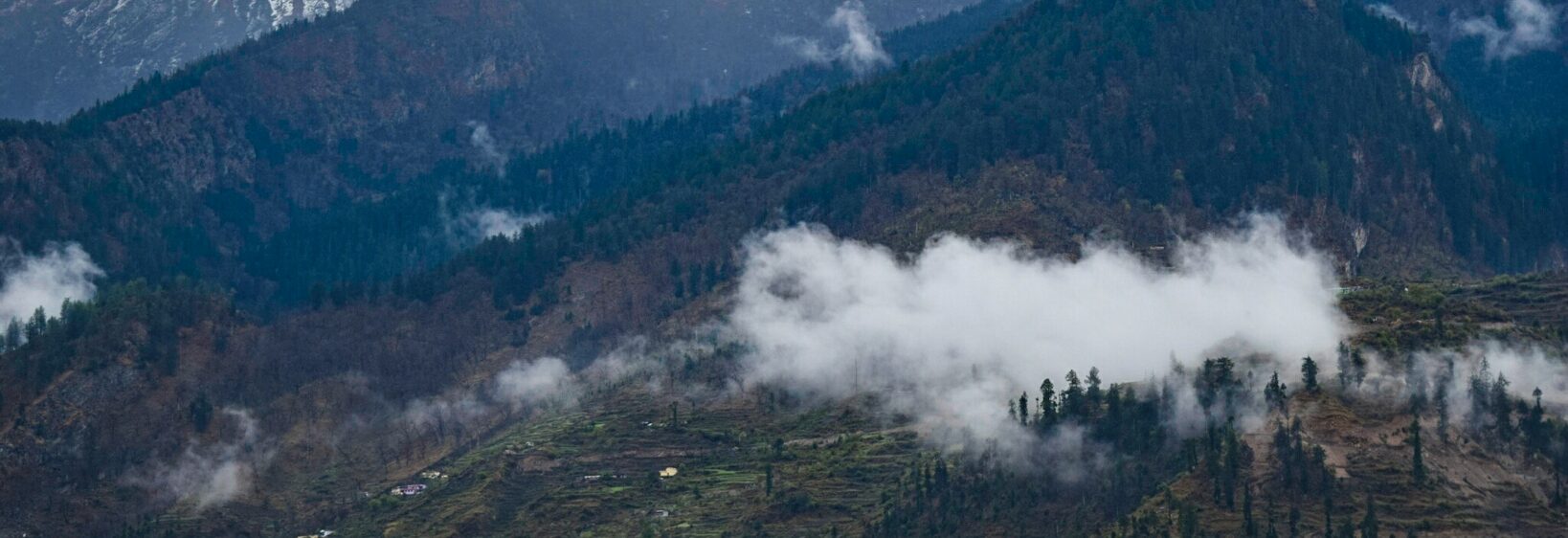
Ukhimath’s surrounding landscapes are part of the experience. Short walks reveal terraced fields, oak and rhododendron forests, village homes and distant snow peaks. Chopta and Deoria Tal are popular additions, although winter access can change quickly after snowfall or heavy rain.
Accommodation ranges from modest guesthouses to small hotels and homestays. Facilities may be simpler than those in Brisbane, Perth or Adelaide, and hot water can be limited. Carry a reusable bottle, warm layers, personal medicines and a torch, while buying snacks and essentials from local shops rather than expecting large supermarkets.
A practical winter checklist
Winter travel becomes easier when the journey is planned around local conditions and the religious character of the town. Australian visitors should also remember that travel insurance policies may exclude trekking, motorbike travel or altitude-related treatment unless those activities are specifically covered.
- Pack thermal layers, waterproof shoes, gloves and sun protection.
- Carry Indian rupees in small denominations for transport and temple-area purchases.
- Allow spare hours for mountain roads, weather and vehicle changes.
- Book accommodation ahead during festival dates and school holidays.
Respect for local customs is as important as physical preparation. India’s heritage and religious sites may have their own restrictions, while commercial tour bookings can involve different cancellation terms from those familiar under Australian consumer expectations.
- Dress conservatively inside and near the shrine.
- Keep voices low during prayers and processions.
- Confirm guide, vehicle and accommodation inclusions in writing.
- Check whether a package operator is registered and insured.
Under the Australian Consumer Law, services sold to Australian consumers generally come with consumer guarantees, but overseas suppliers and informal local bookings can be harder to pursue if something goes wrong. Read the terms carefully, especially for deposits, cancellations and transport changes.
Ukhimath and Kedarnath in winter
The two destinations are spiritually connected, yet the winter experience is very different. Kedarnath sits at a much higher altitude and is normally closed to ordinary pilgrimage during the harshest season, while Ukhimath remains an active town with functioning homes, shops and accommodation.
| Feature | Ukhimath | Kedarnath in winter |
|---|---|---|
| Main role | Winter seat of the Kedarnath deity | High-altitude original shrine |
| Typical access | Road access through Garhwal towns | Seasonal pilgrimage route and trek |
| Winter conditions | Cold, with possible rain or snow | Severe snow and very limited access |
| Visitor experience | Temple worship, villages and nearby walks | Usually closed outside the pilgrimage season |
| Best suited to | Cultural travel and respectful temple visits | Pilgrimage during the official open season |
A stay of two or three nights allows time for the temple, local markets and nearby viewpoints without rushing. Those who want a longer Himalayan programme can combine Ukhimath with Chopta, Deoria Tal or Rudraprayag, checking road notices and local advice before each transfer.
The temple complex is valuable precisely because it keeps the Kedarnath tradition present through the winter months. For Australian travellers, it offers a thoughtful encounter with Uttarakhand’s living culture, where mountain geography, seasonal worship and everyday community life remain closely connected.