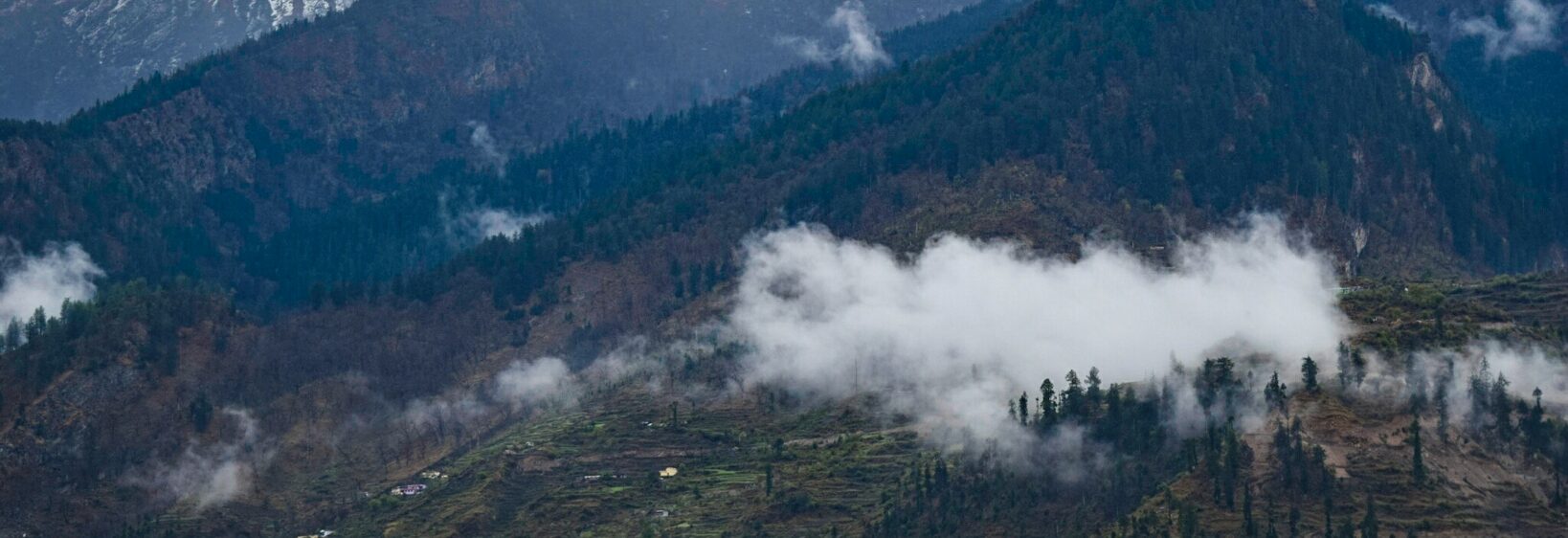
Nag Tibba Trek: Overnight Camp And Peak Sunrise Photography
Nag Tibba is one of Uttarakhand’s most rewarding short Himalayan hikes, combining forest paths, village scenery, an overnight camp and a wide mountain panorama. At about 3,022 metres, the summit offers views towards Bandarpoonch, Swargarohini, Gangotri and Kedarnath peaks when the weather is clear.
For travellers from Australia, this is an accessible introduction to Himalayan trekking without committing to a long expedition. The route near Pantwari can fit neatly into a north India itinerary that includes Mussoorie, Rishikesh or Dehradun, while the sunrise photography makes the early camp start especially worthwhile.
Why This Short Himalayan Trek Stands Out
The Nag Tibba route is generally completed over two days, with the first day spent walking from Pantwari to the camping area near the Nag Devta temple. The trail passes through oak and rhododendron woodland, open meadows and high ridgelines where village life gradually gives way to quieter mountain landscapes.
Its moderate distance makes it suitable for active beginners, though the altitude and steep sections should not be underestimated. The walk feels very different from a city-based excursion around Sydney’s Blue Mountains or Melbourne’s Dandenong Ranges, particularly when the temperature drops sharply after sunset.
Reaching Pantwari From Dehradun
Most journeys begin with a road transfer from Dehradun to Pantwari, taking roughly four to five hours depending on traffic, roadworks and weather. Travellers often arrive in Dehradun by train or flight, then hire a local vehicle and driver for the mountain road. Mussoorie can also be used as a starting point, although the road journey still requires an early departure.
Australian visitors should allow extra time for mountain traffic and winding roads. A trip that looks short on a map may take much longer than a comparable drive between Brisbane and the Gold Coast. Your driver or trekking organiser can also advise where to stop for chai, fuel and a proper meal rather than relying on a quick servo-style break.
Walking Through Garhwal Forests
The trail starts with a gradual village approach before entering forest. Depending on the season, you may see spring flowers, grazing cattle, pine cones, Himalayan birds and distant snow peaks. Local guides add value by identifying plants, explaining village customs and choosing safer routes when rain has damaged the path.
The camping ground is usually a simple high-altitude site rather than a developed holiday park. Tents, sleeping mats and meals are commonly arranged by a trekking operator, while toilet facilities may be basic. Carrying a small rubbish bag is essential because waste collection is limited in remote areas.
Setting Up The Overnight Camp
Reaching camp in the afternoon gives you time to photograph the landscape before the light fades. Walk a short distance away from the tents for wider views, but stay close enough to follow your guide’s instructions. Clouds often gather around the ridges, creating atmospheric layers that work well in landscape photographs.
After dinner, the temperature can fall below freezing during winter. The camp may have limited phone reception and no dependable charging facilities, so download maps, share your itinerary and keep your camera batteries warm inside your sleeping bag. Travellers used to Australia’s national parks should remember that Himalayan camps can be much colder at night than a typical alpine campsite in Victoria.
Capturing The Summit Sunrise
The summit walk normally begins before dawn, often around 3.30 or 4 am, depending on the season and the time of sunrise. The path can be dark, uneven and slippery, so a headlamp with spare batteries is more useful than a phone torch. Reaching the ridge early allows time to set up before the first colour appears.
For the best sunrise images, use a sturdy lightweight tripod, a wide-angle lens and a spare battery. Begin with a low ISO and bracket exposures when the sky is much brighter than the foreground. A telephoto lens can isolate distant snow peaks, while a standard lens is useful for including trekkers, prayer flags or the changing camp light in the frame.
Photographers can find further visual inspiration through Uttarakhand photo guides, especially when planning a wider journey around the region. Keep the camera protected from condensation when moving between a warm tent and cold morning air.
Packing And Camera Checks
The right equipment keeps the walk comfortable and protects valuable photography gear. Pack in layers so you can adjust clothing during the climb, since the afternoon sun may feel warm while the exposed summit is cold and windy.
Useful personal items include:
- Broken-in trekking shoes with firm grip
- Thermal layers, gloves and a warm beanie
- Two litres of water and compact snacks
- Sunscreen, sunglasses and basic first aid
A simple camera checklist helps avoid preventable problems at camp. Memory cards should be formatted before departure, and batteries should be fully charged in Dehradun or Mussoorie.
For photography, carry:
- Wide-angle lens and spare battery
- Lightweight tripod and lens cloth
- Headlamp with backup batteries
- Waterproof liner or dry bags
Safety And Mountain Etiquette
A guide is strongly recommended, particularly for the pre-dawn summit walk or winter travel. Weather can change quickly, and fog may remove familiar landmarks from view. Walk at a steady pace, drink regularly and tell the guide immediately if you experience severe headache, nausea, unusual breathlessness or confusion.
Respect local customs near the Nag Devta shrine and ask before photographing villagers, homes or religious activity. Keep music low, avoid single-use plastic and leave natural objects where they are. In Australia, “leave no trace” is familiar language to many bushwalkers; the same principle is especially important on a trail where waste removal is difficult.
Choosing The Best Season
Spring brings flowering rhododendrons and clear mornings, while autumn is valued for crisp visibility after the monsoon. Winter can offer snow around the upper trail, producing striking photographs but requiring warmer clothing and experienced local support. The monsoon period may bring slippery paths, cloud and road delays.
A two-day itinerary usually includes transport from Dehradun, the trek to camp, a pre-dawn summit visit, breakfast and the descent to Pantwari. Costs vary according to group size, vehicle type, camping equipment and whether meals and a local guide are included. Booking through a reputable Uttarakhand operator gives Australian travellers clearer arrangements in advance, particularly when paying in rupees and coordinating airport transfers.