The Sitla Estate: Colonial charm and tea walks in Kumaon
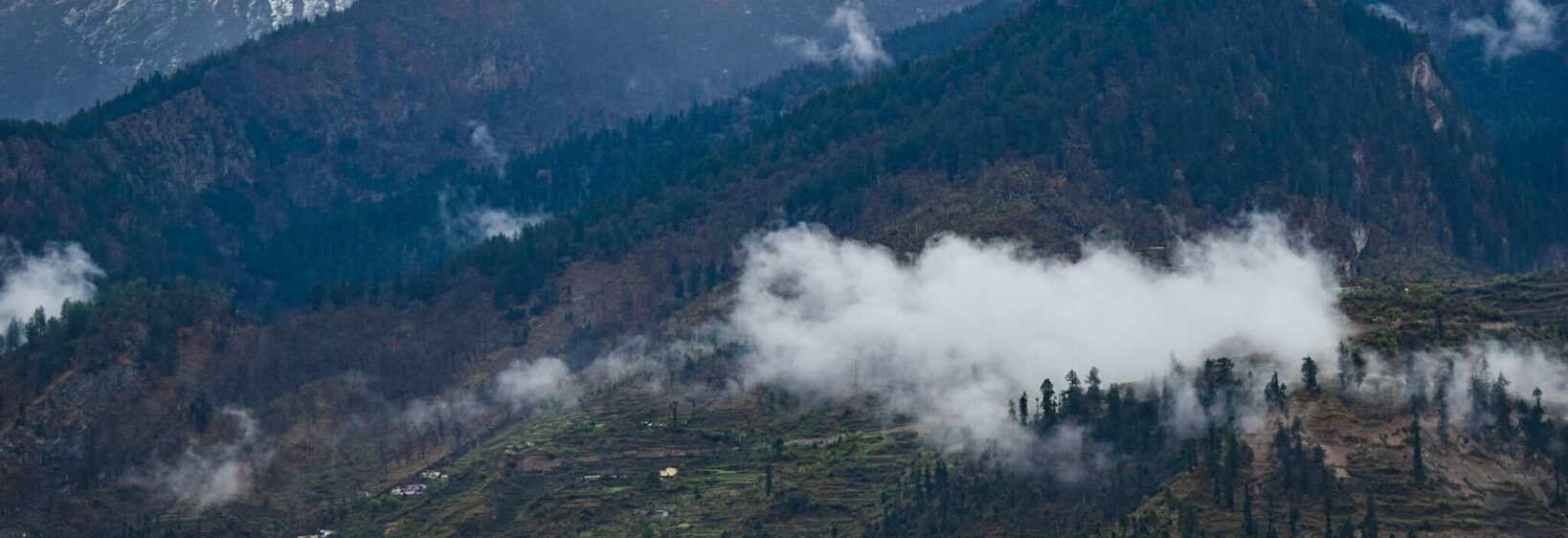
Perched in the Kumaon hills near Mukteshwar, Sitla Estate offers a quieter view of Uttarakhand. The area is known for old stone-and-timber bungalows, oak forests, fruit orchards and broad Himalayan vistas. Rather than feeling like a busy hill station, it has the atmosphere of a rural retreat where mornings begin with birdsong and mist over the valleys.
For Australian travellers, Sitla makes a rewarding addition to a North India itinerary. It suits visitors who enjoy heritage stays, gentle nature walks and local culture more than packed sightseeing schedules. After exploring Delhi, Rishikesh or Nainital, a few peaceful days in the mountains can feel like a proper reset from city traffic and a long-haul flight.
A hillside estate with colonial character
The principal buildings around Sitla reflect the architectural style favoured by British-era hill stations: sloping roofs, deep verandahs, thick masonry and large windows facing the forest. Many structures have been restored as boutique accommodation, while others remain part of private estates or rural properties. Their charm comes from proportion and setting rather than grand decoration.
Inside, expect fireplaces, wooden furniture, stone floors and simple rooms designed for cool mountain weather. The experience is closer to staying in a heritage country house than a conventional resort. Travellers can browse Uttarakhand photo stories before choosing an itinerary that combines Sitla with nearby villages, temples and scenic roads.
Tea walks through the Kumaon landscape
Tea-growing in Uttarakhand is generally smaller in scale than the famous plantations of Assam or Darjeeling. Around the Kumaon hills, tea gardens and experimental plots appear among orchards, pine and broadleaf woodland. A guided plantation walk may include an explanation of pruning, leaf-picking, drying and the seasonal differences in flavour.
The walk is as much about the landscape as the tea itself. Paths can pass through terraced slopes, wildflowers, stone walls and small settlements where farming remains part of everyday life. Morning is usually the most comfortable time for walking, while monsoon trails may be slippery and winter afternoons can become cold soon after sunset.
Forest paths, orchards and mountain views
Sitla’s natural setting rewards slow exploration. Oak and rhododendron forests provide shade, and orchard areas bring apples, plums and apricots when conditions are right. On clear days, viewpoints across the greater Himalaya may reveal snow peaks, although cloud and haze often change the scene within minutes.
Wildlife sightings are possible but never guaranteed. Visitors may hear Himalayan birds, spot langurs in the canopy or find signs of smaller animals along a forest track. Local guides are valuable because they know which paths are open, where private land begins and how to read sudden changes in weather.
Planning the journey from Australia
Most Australian visitors will reach Uttarakhand through Delhi, with onward travel by road or rail towards Kathgodam, followed by a hill transfer to the Mukteshwar region. The final drive is winding and can take longer than a map suggests. Allowing a spare day is sensible, especially when connecting with an international flight from Sydney, Melbourne or Brisbane.
Australians are familiar with long distances, but Himalayan roads require a different rhythm. A short-looking journey may include traffic, roadworks, hairpin bends and tea stops. Keep essentials in a day bag, carry Indian rupees for small purchases, and use a local SIM or reliable roaming plan because mobile coverage can vary between ridges. A relaxed “no worries” approach helps when weather or road conditions alter the schedule.
A practical stay in the hills
Accommodation ranges from heritage cottages and homestays to modest hotels near Mukteshwar. Check whether heating, hot water, meals and transport are included before booking. Some properties are beautifully secluded but far from shops, so arranging dinner in advance is worthwhile. Electricity interruptions can occur, and warm layers are useful even outside the coldest months.
The local food is usually simple and comforting: dal, rice, seasonal vegetables, roti and Kumaoni specialities. Tea, fruit preserves and home-cooked breakfasts often form part of the stay. Australian travellers used to contactless payments should carry cash as well; UPI is common in India, but smaller village businesses may accept only cash or have unreliable internet.
Places to add around Sitla
A visit can be combined with Mukteshwar Temple, Chauli Ki Jali and forest viewpoints near the town. Nainital is farther away but works for travellers building a wider Kumaon circuit. Ranikhet offers colonial-era scenery, pine forests and military cantonment landscapes, while Bhimtal and Almora add lakeside and cultural stops to the route.
Those extending their journey can explore quieter attractions through a local travel photo guide, including Bhuli Lake near Ranikhet. Returning to Sitla after these excursions restores the appeal of its slower pace: a verandah, a warm cup of tea, forest air and the changing light over the Himalayan foothills.