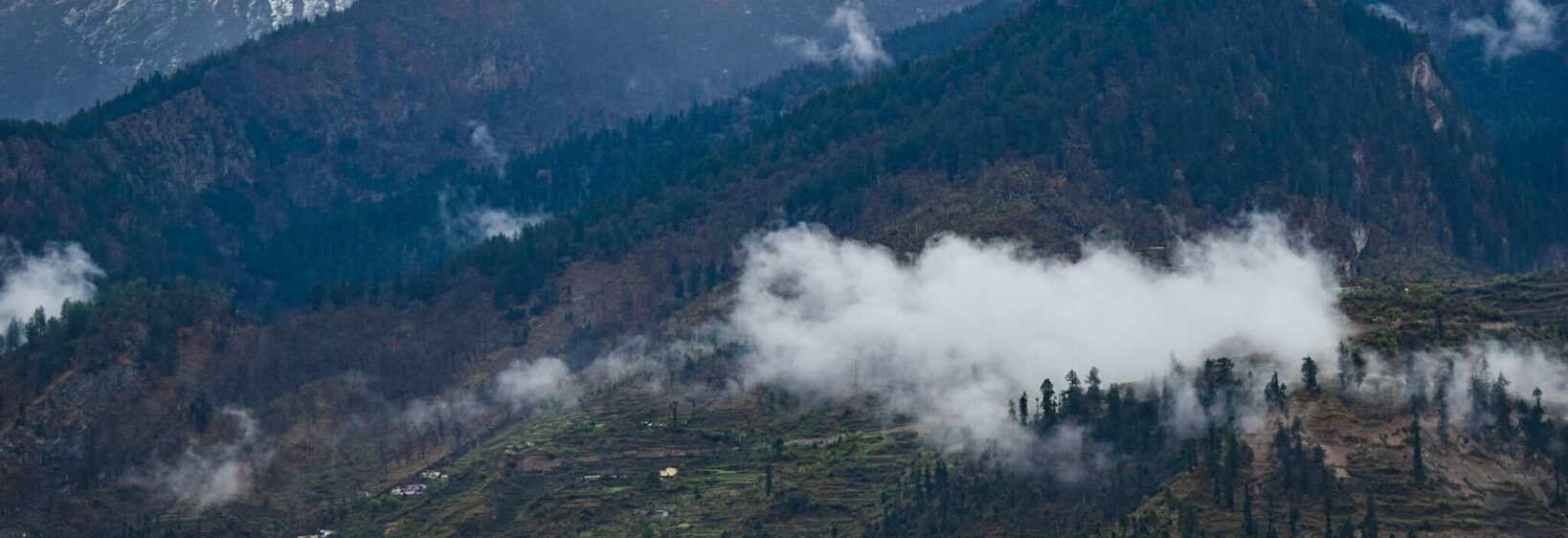
A Guide To The Hemkund Sahib Yatra, Trek And Lake
The Hemkund Sahib pilgrimage is one of Uttarakhand’s most remarkable mountain journeys. It combines spiritual devotion, dramatic Himalayan scenery, and a demanding trek to a glacial lake surrounded by seven snow-covered peaks.
Located in Chamoli district, the shrine stands at an altitude of approximately 4,329 metres. Pilgrims travel through forests, waterfalls, meadows, and steep alpine terrain before reaching the sacred lake and Gurudwara Hemkund Sahib.
The route requires planning because of its high elevation, changing weather, and limited travel season. For visual travel inspiration and regional destination ideas, explore Uttarakhand travel stories before setting out.
Why Hemkund Sahib Is Special
Hemkund Sahib is one of the most revered Sikh pilgrimage sites in India. The octagonal gurudwara beside the lake is associated with Guru Gobind Singh, the tenth Sikh Guru, and attracts devotees from across the country and beyond.
The lake, also known as Hemkunt, often remains partly frozen even during the pilgrimage season. Its clear waters reflect the surrounding peaks, creating a striking landscape that feels both peaceful and powerful.
The nearby Lakshman Temple is another important place of worship. Visitors should remember that this is a sacred destination, so quiet behaviour, modest clothing, and respect for religious customs are essential.
Reaching The Trek Starting Point
Most journeys begin in Rishikesh or Haridwar, followed by a long mountain drive through Devprayag, Rudraprayag, Karnaprayag, Chamoli, and Joshimath. Govindghat is the traditional base for the route.
From Govindghat, travellers usually continue to Pulna, which is the roadhead for the trek to Ghangaria. Shared jeeps and local taxis commonly connect these points, although availability can change with weather and seasonal demand.
Ghangaria serves as the main overnight base for Hemkund Sahib and the Valley of Flowers. Accommodation, food, porters, mules, and basic medical assistance are generally available there during the open season.
Route Distance And Trek Experience
The trek from Pulna to Ghangaria is roughly 13 kilometres, while the climb from Ghangaria to Hemkund Sahib is about 6 kilometres one way. The final section is much steeper and more tiring because of the altitude.
| Route section | Approximate distance | Typical experience |
|---|---|---|
| Govindghat to Pulna | 4 km by road | Taxi transfer |
| Pulna to Ghangaria | 13 km | Forest trail and gradual ascent |
| Ghangaria to Hemkund Sahib | 6 km | Steep high-altitude climb |
| Hemkund Sahib return to Ghangaria | 6 km | Long descent |
| Ghangaria to Valley of Flowers | About 4 km one way | Separate alpine excursion |
The path includes paved stretches, stone steps, muddy patches, and exposed mountain sections. Ponies, palkis, and porter services may be available, but the steep upper trail can still be physically demanding.
Begin early from Ghangaria so that you have enough time at the shrine and can descend before afternoon weather changes. Keep a steady pace, rest often, and avoid rushing during the final climb.
Best Season And Mountain Conditions
The pilgrimage generally operates during the warmer months, usually from late May or early June until October. Exact opening and closing dates depend on snowfall, road conditions, and official decisions.
July and August bring lush greenery and abundant wildflowers, but they can also bring heavy rain, slippery trails, and landslides. September and early October often offer clearer skies, though temperatures drop sharply at night.
Snow may remain along the upper trail even after the route opens. Always check current road access, weather forecasts, registration rules, and shrine timings before leaving Joshimath or Govindghat.
Preparing For Altitude And Safety
Hemkund Sahib is higher than many popular Himalayan trekking destinations, and altitude sickness can affect even fit travellers. Headache, nausea, dizziness, unusual tiredness, and breathlessness should never be ignored.
Spend a night in Ghangaria before attempting the lake. Drink water regularly, eat light meals, and walk slowly. If symptoms become serious, descend immediately and seek medical help rather than trying to complete the pilgrimage.
Pack warm layers, waterproof footwear, rain protection, sun protection, a headlamp, personal medicines, and some cash. Mobile connectivity can be limited, while ATMs and shops are not consistently available beyond the larger towns.
Responsible Pilgrimage Practices
Carry reusable water bottles and keep all wrappers in your bag until they can be disposed of properly. The alpine environment around Hemkund Sahib is fragile, and careless littering can damage streams, meadows, and wildlife habitats.
Photography is welcome in many outdoor areas, but ask permission before photographing worshippers or religious ceremonies. Follow instructions from shrine staff, avoid loud music, and do not enter restricted spaces.
- Build at least two or three days into the itinerary for Ghangaria and Hemkund Sahib.
- Use sturdy trekking shoes with good grip and already break them in.
- Carry a rain jacket, fleece layer, gloves, cap, and spare socks.
- Start the ascent early and return before deteriorating afternoon weather.
- Keep identification, permits, medicines, and emergency contacts accessible.
The Hemkund Sahib journey rewards patience rather than speed. Whether travelling for faith, landscape photography, or a deeper experience of Uttarakhand’s mountain culture, the trek offers unforgettable views at every stage.
Check the latest official travel information, arrange transport and accommodation in advance, and begin your pilgrimage with physical preparation and respect for the Himalayas.