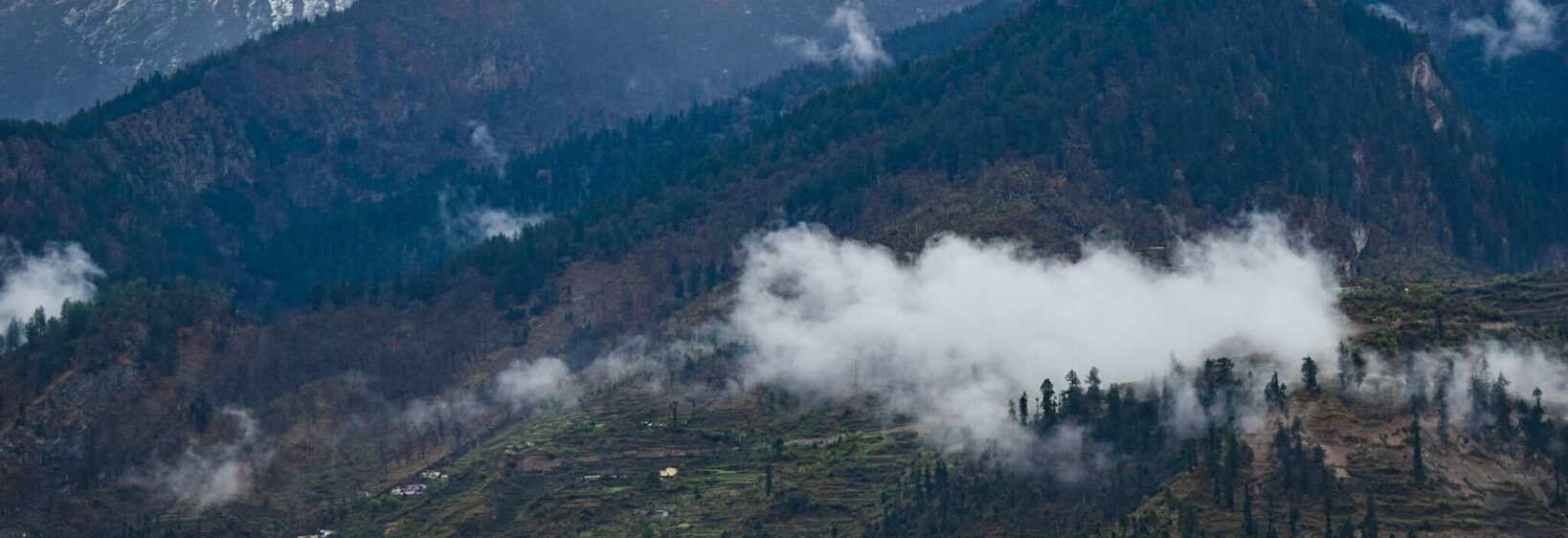
Photographing Dayara Bugyal’s Alpine Meadows
Dayara Bugyal is one of Uttarakhand’s most rewarding landscapes for mountain photography. The broad alpine meadow spreads across rolling ridges, with views of snow-covered Himalayan peaks, oak forests, seasonal wildflowers, and shepherd trails. Its open terrain offers a different visual experience at every hour.
Located near Barsu in the Uttarkashi district, the meadow is reached by a scenic trek through villages and woodland. The walk itself provides varied subjects: mossy trunks, mountain streams, wooden homes, grazing horses, and changing layers of blue ridges. A thoughtful camera plan helps turn these moments into a coherent visual story.
Photography here is shaped by weather and altitude. Clear mornings may bring sharp mountain silhouettes, while afternoon clouds create softer, atmospheric images. Rather than trying to record everything, focus on the relationship between the meadow, the sky, and the people who use this highland pasture.
Finding The Best Mountain Light
Early morning is ideal for photographing Dayara Bugyal’s ridgelines. Low sunlight brushes the grass with warm tones and reveals small folds in the terrain. If the sky is clear, the distant peaks may appear crisp before haze develops. Arrive at a viewpoint before sunrise so that the first light does not find you still unpacking equipment.
Late afternoon brings longer shadows and greater depth. Position yourself so that the sun illuminates the meadow from the side rather than directly from behind the camera. Side light emphasizes hoof marks, grass texture, and gentle slopes, while backlighting can produce striking silhouettes of hikers and shepherds.
Clouds should be treated as part of the landscape rather than a photographic problem. A passing bank of mist can add scale and drama, especially when it partly conceals a ridge. Watch the exposure carefully, since bright cloud and dark foreground can easily exceed the camera’s dynamic range.
Choosing A Practical Camera Kit
A lightweight mirrorless or DSLR camera is useful, but a smartphone can also produce excellent images in clear light. The most important equipment is the gear you can carry comfortably along the trail. A 24–70mm equivalent lens covers broad scenery and environmental portraits, while a telephoto lens helps isolate peaks, birds, and distant trekkers.
Use a sturdy but compact tripod for sunrise, sunset, and low-light forest scenes. A circular polarising filter can reduce reflections on leaves and deepen a blue sky, although it may create uneven darkening when used with very wide lenses. Spare batteries should be kept warm inside an inner pocket because cold conditions reduce battery life.
| Photographic need | Useful choice | Field advantage |
|---|---|---|
| Wide meadow views | 16–35mm lens | Includes foreground, sky, and sweeping ridges |
| Portraits and details | 50–85mm lens | Creates natural perspective and background separation |
| Distant peaks | 70–200mm lens | Compresses mountain layers and isolates subjects |
| Moving trekkers | Fast shutter speed | Keeps people and animals sharp |
| Sunrise landscapes | Tripod and remote release | Reduces camera shake during long exposures |
Building Strong Meadow Compositions
A wide landscape becomes more engaging when it has a clear foreground. Use flowering plants, rocks, a trail, or a weathered fence to lead the eye into the frame. Keep the horizon level and check the edges for distracting branches, stray bags, or bright patches that compete with the main subject.
Human scale is especially valuable in an enormous bugyal. A lone trekker on a ridge, a shepherd beside grazing animals, or a local guide crossing the grassland can show the true size of the landscape. Ask permission before making close portraits, particularly when photographing villagers or shepherd communities.
Try both horizontal and vertical formats. Horizontal frames suit panoramic ridges, while vertical compositions can emphasize the rise from meadow to mountain summit. Leave room around moving subjects when they face or walk toward open space; this creates a more natural sense of direction.
Recording Seasonal Changes
Dayara Bugyal changes substantially through the year. Spring and early summer may bring fresh grass and scattered flowers, while the monsoon period creates saturated greens and dramatic cloud formations. Autumn often offers clearer skies and warm, dry colours, and winter transforms the meadow into a snow-covered landscape requiring more careful preparation.
Wildlife photography should remain patient and unobtrusive. Forest edges may reveal Himalayan birds, langurs, or small mammals, but chasing animals or playing loud calls can disturb them. Photographers interested in mountain habitats can also find useful perspective in this guide to Binsar forest trails, especially its emphasis on quiet observation.
Weather can shift rapidly at altitude. Keep cameras inside a dry bag during rain or snowfall, and allow cold equipment to warm gradually inside a sealed pouch when returning indoors. This prevents condensation from forming inside the lens or camera body.
Respecting The Landscape And Local Life
Dayara is more than a scenic location; it is a seasonal grazing ground with cultural and economic importance. Stay on established paths where possible, avoid trampling flowers, and never move stones or traditional objects to improve a composition. Pack out every wrapper, battery, and piece of plastic.
Photography should fit respectfully around religious journeys, village customs, and working routines. If your route connects with wider pilgrimage travel, review this practical guide to Char Dham planning for context on movement through Uttarakhand’s sacred mountain region. Local drivers, guides, and homestay owners can also provide valuable information about access and weather.
A Simple Shooting Plan
Use a modest plan rather than trying to capture every view. Begin with establishing photographs of the trail and meadow, then collect medium-distance scenes of people and animals, followed by close details such as flowers, boot prints, grasses, and textures in the forest. This three-level approach creates a complete travel photo essay.
Before leaving camp, check your batteries, memory cards, weather cover, and headlamp. Save important images whenever practical, and record the viewpoint or village name in your notes. Accurate captions make a gallery more meaningful and help future travellers understand the landscape.
Keep these priorities in mind:
- Reach an open viewpoint before sunrise or remain for the final evening light.
- Carry one versatile lens, a rain cover, spare batteries, and a lightweight support.
- Include people or familiar objects to communicate the scale of the alpine meadow.
- Photograph flowers and wildlife without leaving trails or disturbing habitats.
- Ask permission for intimate portraits and learn local names for places and traditions.
A carefully photographed journey through Dayara Bugyal can preserve far more than mountain scenery. It can show the changing light, seasonal rhythms, village connections, and quiet grandeur of Uttarakhand’s high pastures. Pack lightly, walk patiently, and let the landscape guide the pace of your photographs.