The Bhowali Sanatorium: Vintage Architecture and Mountain Views
Bhowali sits in Uttarakhand’s Kumaon region, about 11 kilometres from Nainital and surrounded by pine-covered ridges, orchards and quiet mountain roads. Its cooler climate, clean air and broad valley views have long attracted people seeking rest away from the plains.
The Bhowali Sanatorium is one of the town’s most evocative landmarks. Built during the colonial period as a tuberculosis treatment centre, it reflects an era when fresh air, sunlight and a peaceful setting were considered important parts of recovery. Its old buildings and forested surroundings create a distinctive atmosphere for visitors interested in history and photography.
For travellers from Australia, the setting may feel familiar in a few ways: the winding drives resemble a mountain weekender near the Blue Mountains, while the pine forests offer a very different visual language from eucalyptus bushland. Visitors should remember that Himalayan distances take time, and a short journey on the map can involve steep, slow roads.
The sanatorium is also a place to approach respectfully. It remains associated with healthcare, and some parts may be restricted or privately managed. The best experience comes from viewing the exterior from permitted areas, speaking with local residents and combining the visit with Bhowali’s markets, fruit stalls and nearby viewpoints.
A healing retreat in Kumaon
Bhowali developed as a hill station and health retreat during the British period, when mountain climates were promoted as beneficial for patients with respiratory illnesses. The sanatorium became connected with this medical history, serving people who needed long-term care in a cooler, less crowded environment.
Its story belongs to a wider network of Himalayan health institutions. Places such as Landour, Almora and Shimla also attracted doctors, patients and colonial administrators who valued altitude and fresh air. In Bhowali, that history remains woven into the town rather than separated inside a formal museum.
Vintage architecture among the pines
The sanatorium buildings show practical colonial-era design rather than grand palace architecture. Verandahs, high ceilings, generous windows and sloping roofs were useful responses to mountain weather. These features also give the complex the restrained, weathered character that attracts heritage photographers.
Walls, railings and rooflines may show years of rain, sun and seasonal change. Photography should focus on textures, shadows and the relationship between the buildings and the forest. It is important not to climb structures, enter locked areas or photograph patients and staff without permission.
Mountain views and changing light
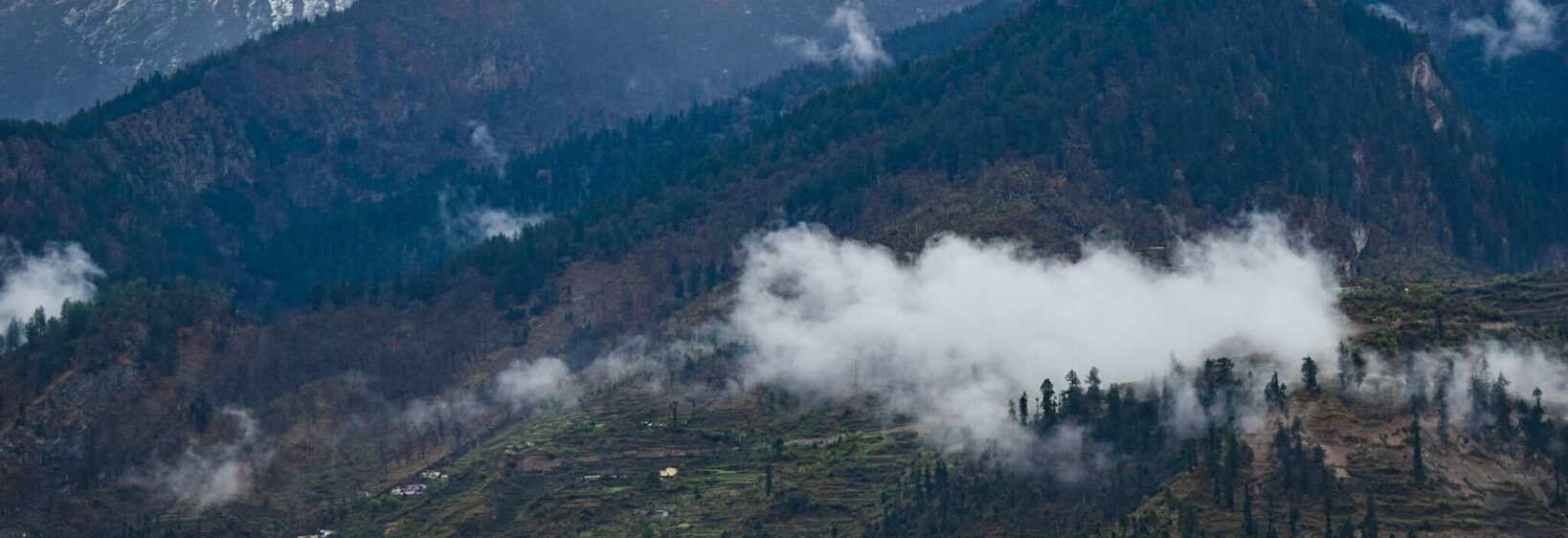
Bhowali’s elevated position provides views across Kumaoni hills, with layers of ridges changing colour through the day. Early morning often brings soft light and clearer horizons, while afternoon haze can reduce visibility towards distant peaks. During the monsoon, clouds settle into valleys and create a moody backdrop.
For Australians used to checking the Bureau of Meteorology before a bushwalk, a similar habit is useful here. Weather can shift quickly, particularly between November and March, and monsoon rain may make paths slippery. A light waterproof jacket, sun protection and sturdy shoes are sensible even for a short outing.
A thoughtful photography stop
The sanatorium works best as part of a broader photo route rather than a rushed landmark stop. Capture the old facades, pine trunks, mountain haze and small details such as painted signs or moss-covered masonry. Keep the mood observational instead of treating the site as an abandoned attraction.
Travellers who enjoy unusual military and heritage locations may also appreciate reading about the Chakrata bunker ruins before planning a wider Uttarakhand trip. Both places reward patience, quiet observation and an awareness that historic sites can have living communities around them.
Reaching Bhowali from popular hill towns
Bhowali is connected by road with Nainital, Haldwani, Almora and Ranikhet. Most visitors arrive through Kathgodam or Haldwani, where trains and buses connect with the wider region. From there, taxis and shared jeeps are common, although journey times depend heavily on traffic, roadworks and weather.
An Australian traveller may notice that driving is on the left, as at home, but Himalayan roads require much greater caution. Local drivers are familiar with sharp bends and passing traffic, while visitors should avoid self-driving unless they have strong mountain-road experience. Booking a local car with a driver is often the simplest option.
Nearby experiences in Bhowali
The town is known for seasonal fruit, especially apples, plums, peaches and apricots. Small shops and roadside stalls provide an easy way to experience local produce, while nearby villages offer glimpses of Kumaoni homes, temples and everyday hill life. Nainital can be added for its lake, markets and colonial-era streets.
For visitors planning around Australian school holidays, May, June and December can be busy in Uttarakhand. Accommodation prices may rise in popular hill stations, and weekend traffic from Delhi and nearby cities can slow the roads. Travelling midweek can provide a quieter stay and better opportunities for landscape photography.
Respecting a living heritage site
The sanatorium is more than a picturesque remnant of British India. Its history includes illness, medical care, families and workers who shaped Bhowali over generations. That human dimension deserves attention when photographing or writing about the site.
Ask before entering grounds, follow signs and avoid drones near healthcare facilities. Pairing the visit with local food, a walk through Bhowali’s market or a stay at a locally run guesthouse helps support the town beyond its well-known viewpoints. The result is a richer journey through Kumaon’s architecture, landscape and living culture.