Gwaldam Lake: Rhododendron Reflections and Camping Spots
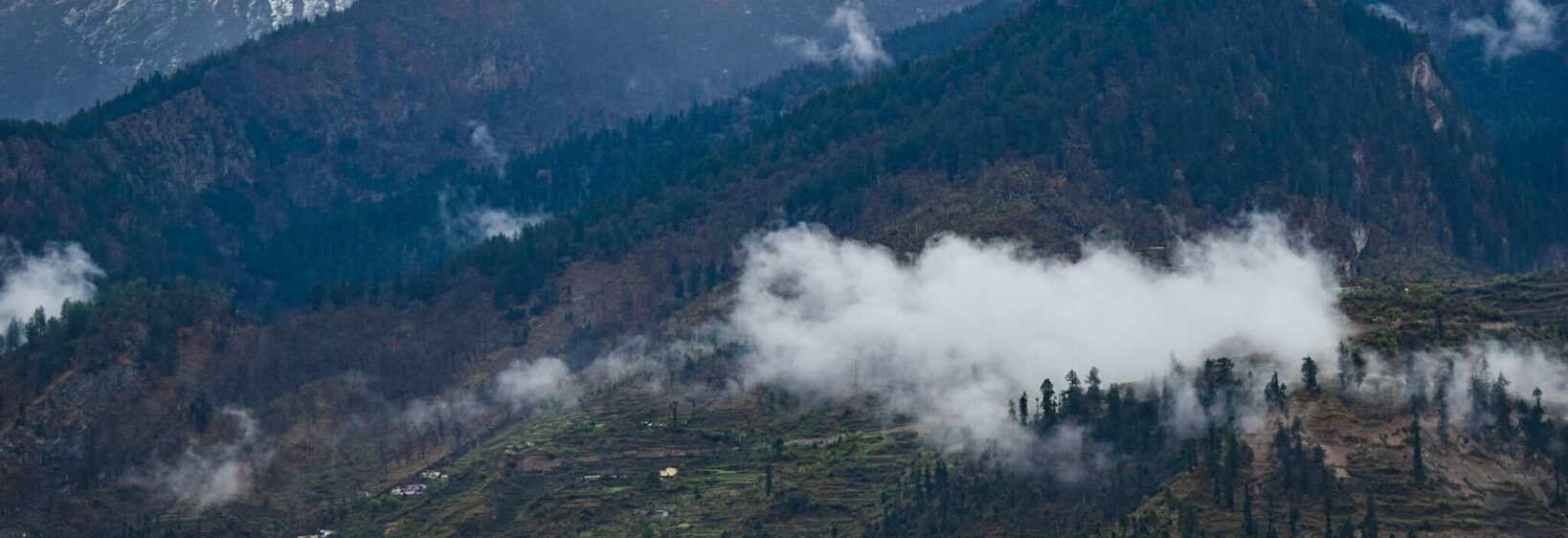
Gwaldam Lake rests in a quiet hill setting between the Kumaon and Garhwal regions of Uttarakhand. Surrounded by forested slopes, village paths and distant Himalayan views, it offers a slower alternative to the busier resorts of Nainital, Mussoorie and Rishikesh. The water is especially attractive in spring, when blooming rhododendrons add vivid red colour to the landscape.
For Australian visitors, Gwaldam is the kind of destination that rewards patience. It is better suited to travellers who enjoy early walks, simple accommodation, bird calls and changing mountain weather than those seeking a tightly scheduled holiday. From Delhi, the journey is long, but the gradual change from crowded plains to cool Himalayan countryside makes the route memorable.
A visit can be combined with village photography, short hikes and a few peaceful nights beside the lake. Travellers who enjoy scenic transport may also appreciate this Nainital ropeway guide when planning a wider Uttarakhand itinerary.
Where Gwaldam Lake Sits
Gwaldam lies near the border of Chamoli and Bageshwar districts, at an elevation where the air is noticeably cooler than in the plains. The surrounding countryside includes terraced fields, oak and pine woodland, small settlements and views towards the higher Himalayan ranges. The lake area is modest rather than a large alpine body of water, which gives it a gentle, local character.
The landscape changes with the season. Spring brings rhododendron flowers, while summer days are usually comfortable for walking. The monsoon can make roads slippery and obscure mountain views, and winter mornings may be cold enough to require a proper jacket. Australian visitors used to warm city weather in Brisbane or Sydney should pack layers rather than relying on a single fleece.
Rhododendrons And Mountain Scenery
Rhododendrons are among the most recognisable plants in Uttarakhand’s middle hills. Their red and pink blossoms stand out against dark foliage and are often reflected in still sections of the lake. The best photographs usually come during the first part of the day, before wind and bright overhead sunlight disturb the reflections.
Bring a camera with a wide lens for the surrounding slopes and a shorter lens for flowers, village details and birds. A phone can capture excellent images in clear weather, but a dry bag is useful during sudden showers. As in Australia’s national parks, visitors should avoid picking flowers, leaving marked paths or approaching wildlife too closely.
Camping Near The Water
Camping around Gwaldam is best arranged through a local operator or a property that has permission to host guests. Available facilities may range from organised tented sites with meals to basic camps offering little more than a sleeping tent and shared washrooms. Confirm what is included before arrival, particularly bedding, hot water, electricity, transport and meals.
Night temperatures can fall quickly after sunset, so a warm sleeping bag and insulated mat are important. Camp meals often feature rice, lentils, vegetables, flatbreads and local pickles rather than the café-style food familiar in Melbourne or Perth. Carry a refillable bottle, but use filtered or treated water; Australian travellers should not assume that every mountain tap is safe to drink.
Walking, Villages And Local Life
Short walks around the lake can lead to forest edges, terraced farms and viewpoints over the valleys. Longer routes should be attempted with a local guide, especially when paths divide or cloud reduces visibility. Walking early also allows visitors to observe daily life without disturbing farmers, schoolchildren or people using narrow village lanes.
Gwaldam’s small shops may stock tea, biscuits, packaged snacks, basic toiletries and seasonal fruit, but choices are limited. Carry essential medicines and personal items from a larger town. Cash remains useful because card terminals and mobile signals can be unreliable, unlike the widespread tap-and-go habit in Australian cities. Bargaining should be polite and modest, particularly with small family-run businesses.
Planning A Responsible Visit
Road travel is the practical way to reach Gwaldam, with routes commonly passing through towns such as Kathgodam, Almora, Ranikhet or Kausani depending on the starting point. Allow extra time for traffic, road repairs and mountain bends. Australian visitors should check current advice from Smartraveller, take suitable travel insurance and keep digital and printed copies of important documents.
Respect local customs around temples, farms and private homes. Dress modestly when visiting religious sites, ask before photographing residents and take rubbish back to a collection point. India’s forest and wildlife regulations can restrict camping, fires and access in protected areas, while local authorities may apply additional rules during fire danger or monsoon conditions.
The best experience comes from treating the lake as a living landscape rather than a disposable campsite. Use established cooking areas, avoid single-use plastic where possible and keep noise low after dark. With careful planning, Gwaldam offers clear water reflections, flowering hills and a restful Himalayan escape far from crowded resort streets.