The Story of Badrinath Temple: Legends and History
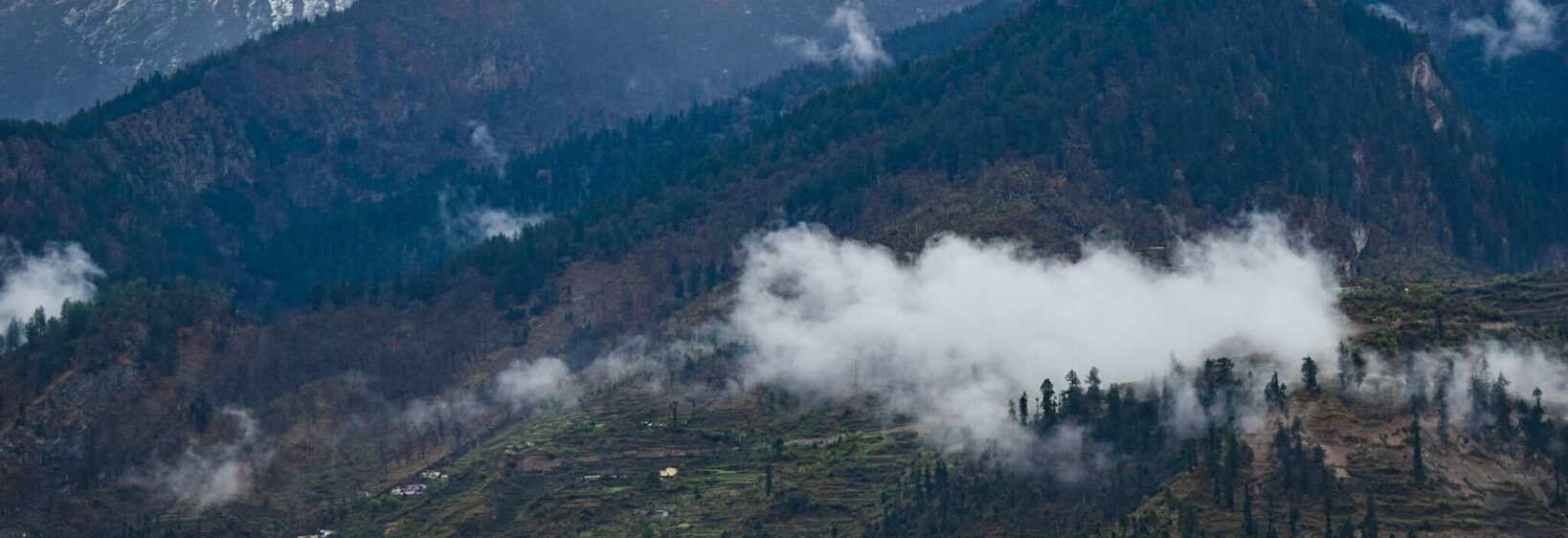
High in Uttarakhand’s Chamoli district, beside the Alaknanda River, Badrinath Temple stands among the most revered pilgrimage sites in India. Its dramatic Himalayan setting, ancient rituals, and association with Lord Vishnu have made it a spiritual landmark for centuries.
Known as Badri Vishal, the shrine forms part of the Char Dham pilgrimage circuit and the smaller Chota Char Dham of Uttarakhand. Every year, pilgrims travel through mountain valleys and winding roads to seek blessings at this sacred temple dedicated to Badrinarayan, a form of Vishnu.
The story of Badrinath Temple brings together mythology, religious scholarship, royal patronage, and the continuing traditions of Garhwal. Its legends explain the sanctity of the landscape, while its history reflects the changing fortunes of Himalayan pilgrimage.
The Legend Of Lord Badrinarayan
According to Hindu tradition, Lord Vishnu performed deep meditation at this location. The harsh mountain climate exposed him to cold winds and snow, so Goddess Lakshmi took the form of a badri tree, often associated with wild berries, and sheltered him. Vishnu therefore became known as Badrinarayan, the Lord of the badri forest.
Another tradition connects the valley with the twin sages Nar and Narayan, considered manifestations or companions of Vishnu. They are believed to have performed penance here while seeking to establish a place where devotees could worship the divine in a peaceful Himalayan setting.
The surrounding peaks add to this sacred geography. Nar Parvat and Narayan Parvat are traditionally linked with the two sages, while Neelkanth, rising behind the temple, is regarded as a majestic guardian of the shrine.
Adi Shankaracharya And The Sacred Image
A central chapter in the story of Badrinath Temple is associated with Adi Shankaracharya, the eighth-century philosopher who travelled widely across India. Local belief holds that he recovered the black stone image of Lord Badrinarayan from the Alaknanda River and installed it in a cave near the present temple.
Shankaracharya’s efforts helped revive Badrinath as a major centre of worship. The shrine later became connected with the broader Char Dham tradition, alongside Dwarka, Puri, and Rameswaram. In Uttarakhand, it also joins Kedarnath, Gangotri, and Yamunotri in the highly significant Chota Char Dham pilgrimage.
The temple follows a distinctive ritual arrangement. A priest from Kerala, traditionally called the Rawal, serves as the chief priest, reflecting the links between Shankaracharya’s monastic tradition and Badrinath worship.
Temple Architecture And Historic Changes
The present Badrinath shrine has a colourful façade, a conical roof, and a compact sanctum suited to its high-altitude environment. Its design combines elements associated with Himalayan temples and later renovations. The main image sits in the garbhagriha, or inner sanctum, where worship takes place according to established ritual customs.
Historical accounts suggest that Garhwal rulers and other patrons supported the temple over different periods. Natural disasters, severe winters, avalanches, and earthquakes have required repeated repairs. As a result, the building seen today represents layers of restoration rather than one unchanged structure from a single era.
Pilgrims traditionally bathe at Tapt Kund, a natural hot spring near the temple, before entering the shrine. Nearby Narad Kund and Brahma Kapal are also important religious sites, associated with purification, prayer, and ancestral rites.
| Feature | Significance |
|---|---|
| Badrinarayan image | The principal form of Lord Vishnu worshipped at the shrine |
| Alaknanda River | Sacred Himalayan river flowing beside Badrinath |
| Tapt Kund | Hot spring used in traditional pilgrimage rituals |
| Nar and Narayan Parvat | Peaks associated with the temple’s religious legends |
| Mana Village | High-altitude village near the temple and linked with epic traditions |
| Char Dham | Major pilgrimage network of which Badrinath is a part |
Seasonal Worship In The Himalayas
Badrinath is open for only part of the year because heavy snowfall makes winter access difficult. The opening date is traditionally announced around Akshaya Tritiya, while the closing ceremony takes place around Diwali. During the winter months, the ceremonial image is moved to the nearby village of Pandukeshwar, with worship continuing at the winter seat.
This seasonal movement is more than a practical arrangement. It demonstrates how Himalayan religious life adapts to the rhythm of weather, roads, and mountain ecology. The opening ceremony, known as Kapाट opening in local usage, attracts large numbers of devotees and marks the beginning of the pilgrimage season.
Visitors should check current road conditions, temple schedules, accommodation availability, and weather forecasts before travelling. The route can change quickly because of landslides and heavy rain.
Legends Beyond The Temple Gate
Badrinath is surrounded by places that expand its mythological landscape. Mana, often described as India’s last village before the Tibetan border, is associated with the Pandavas, Vyas Cave, and Ganesh Cave. The Saraswati River is believed to emerge near the village before joining the Alaknanda at the sacred Keshav Prayag region.
The wider Chamoli landscape also offers opportunities to understand Uttarakhand’s mountain biodiversity. Travellers interested in Himalayan birds can explore this guide to monals in Nanda Devi, while forest lovers may find useful ideas in these Binsar forest trails. These experiences complement a temple visit by placing pilgrimage within the living environment of the Himalayas.
A Pilgrimage With Cultural Meaning
The importance of Badrinath extends beyond the temple structure. Local porters, drivers, priests, shopkeepers, hotel owners, and seasonal workers all contribute to the pilgrimage economy. Garhwali customs, regional food, mountain architecture, and oral storytelling shape the experience for visitors.
Respect for local practices is essential. Dress modestly near the shrine, follow photography restrictions, avoid littering, and allow elderly pilgrims space during crowded ceremonies. The Alaknanda valley is ecologically sensitive, so responsible travel helps protect the landscape that gives Badrinath its distinctive character.
Helpful Ways To Prepare
- Confirm the temple opening and closing dates before booking transport.
- Carry warm layers, rain protection, comfortable shoes, and essential medicines.
- Allow time for acclimatisation, especially if arriving from the plains.
- Visit Tapt Kund, Mana, and nearby sacred sites without rushing.
- Use local guides and services that support mountain communities.
The story of Badrinath Temple continues through daily worship, seasonal ceremonies, ancient legends, and the journeys of pilgrims who cross the mountains to reach it. Plan your route carefully, travel respectfully, and experience Badrinath as both a sacred shrine and a living part of Uttarakhand’s Himalayan heritage.