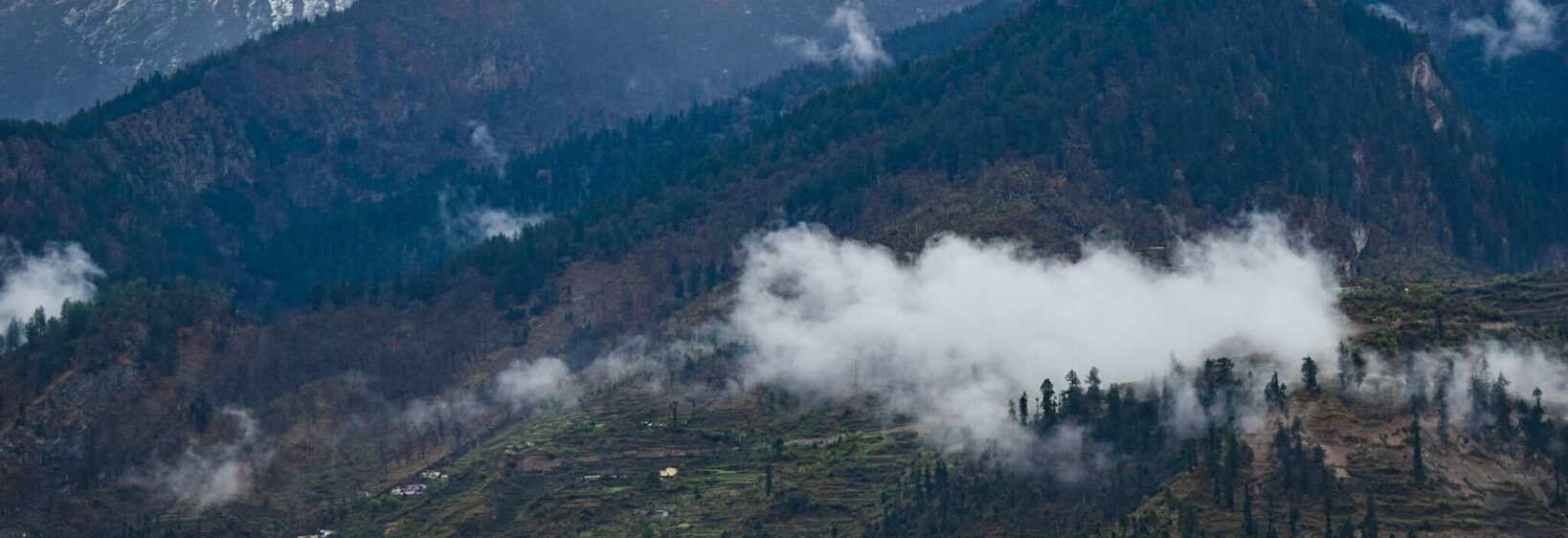
Khati Village Gate: Wooden Doorways and Daily Life in Pindari Valley
Khati sits at roughly 2,210 metres in the Bageshwar district of Uttarakhand, the last inhabited settlement before the snowfields that feed the Pindari Glacier. Travellers flying in from Sydney or Melbourne usually arrive after a long road transfer from Delhi, climbing from subtropical plains into alpine pine. The village's most photographed feature is also its most functional: a wooden doorway marking the threshold between the trailhead and the homes beyond.
This doorway, and the wider culture around it, offers a window into a way of life that has changed little in generations. The architecture is unfussy but considered, with every joint and lintel serving both structural and social purposes. Visitors who arrive curious, rather than hurried, often find that the gate reveals as much about the valley as any panoramic viewpoint.
The Wooden Gate and Its Craftsmanship
The doorway is built from local deodar cedar, a timber that resists rot in damp mountain air and weathers to a soft silver-grey over decades. Carpenters still cut planks by hand and fit them using traditional mortise-and-tenon joints, the same techniques used when the village served older trade routes. The grain is left visible, and lintels are sometimes inscribed with small protective symbols drawn from Kumaoni folk belief.
What looks like a simple threshold is in fact a layered piece of social design. The size of the opening, the height of the sill, and the placement of the crossbeam reflect decisions about who passes through and when. The wood is repaired rather than replaced, with each new layer of oil or patch of fresh timber marking a small entry in the village's calendar.
Rhythms of the Village
Mornings in Khati begin early, with smoke rising from stone kitchens and bells from small herds being led toward the upper meadows. Women carry water from community taps, while men tend to fields of millet, rajma, and potatoes on the terraced slopes. The wooden gate is rarely closed during the day but is bolted at dusk, a quiet signal that the village is settling in for the night.
Australian travellers often notice similarities with their own rural communities: the reliance on neighbours at harvest and the unhurried pace of conversations between fields and courtyards. Trekkers from Adelaide or Brisbane who know the Flinders Ranges tend to feel an instinctive familiarity with this rhythm of work tied closely to seasons and weather.
Small customs at the doorway include:
- Touching the lintel on the way out for a safe journey
- Removing shoes before stepping into a home attached to the gate
- Placing a small stone on the sill after returning from a long trek
- Pausing for a moment of silence when a funeral procession passes
Festivals, Folklore, and the Local Tongue
The Kumaoni calendar shapes much of village life. During Harela, grasses are planted in courtyards and the gate is decorated with fresh cuttings. Phool Dei sees girls carrying plates of fried bread and curd from door to door, pausing at the gate to sing for blessings. Weddings, herder migrations between high and low pastures, and funeral rites each carry their own rituals understood only by those who speak the local dialect.
Older residents still use phrases that reference the glacier, the river, and the surrounding peaks as if they were relatives. Visitors who learn a handful of greetings are usually rewarded with invitations to share tea on a low wooden bench, listening to stories about the years when mules, not motorable roads, moved everything in and out of the valley.
The Pindari Glacier Trek and Trail Life
Khati is the overnight point most trekkers choose before pushing on to Zero Point, the closest Pindari Glacier viewpoint. The trail climbs through rhododendron and birch forest, crossing sway bridges over the Pindar before reaching Dwali and Kafni Glacier viewpoints. Walking poles and layered clothing matter here, much as they do on the Overland Track in Tasmania, where conditions shift from warm sun to sleet within an hour.
A typical homestay package with meals and a local guide runs around 2,500 to 3,500 Indian rupees per night, considerably less than the AUD 150 to 250 a similar guided experience might cost on the Australian mainland once park fees and food are added.
Staying, Eating, and Getting There
Accommodation is limited to simple homestays and a handful of basic guesthouses, all run by families who have lived in the valley for generations. Rooms are unfussy, with thick woollen blankets, shared bathrooms, and meals that usually include dal, rice, and locally grown vegetables. Booking through a local operator in advance is wise, particularly between April and June, when the trails are busiest.
Most visitors reach the village by road from Bageshwar, connected to Delhi by overnight bus and a day-train to Kathgodam. The trip from Ranikhet or Kausani can be folded into a wider Uttarakhand circuit. If you are planning a broader Himalayan itinerary, a useful companion read is this Kempty Falls trail guide, which covers another offbeat route in the state.
Capturing Khati Through a Lens
The wooden gate draws photographers because it offers a strong foreground subject with the snow peaks behind, especially in early morning when the light stays soft. A wide lens captures the courtyard, while a 50mm or 85mm works well for the carved details on the lintel and the offerings sometimes left on the sill.
Tips for photographing around the gate:
- Shoot from inside the courtyard, looking outward, so the doorframe frames the peaks
- Return at different times, as wood tones shift between sunrise and late afternoon
- Ask before photographing residents directly; a gesture towards the gate and a smile helps
- Carry a microfibre cloth for mountain dust after the dry season
Visitors who linger in Khati often describe it as one of the quietest photogenic spots in the Pindari Valley, because the doorway invites the kind of slow looking rewarding travel demands. More visual storytelling from across Uttarakhand, including similar mountain gateways and village scenes, is gathered on UK Photos Gallery.