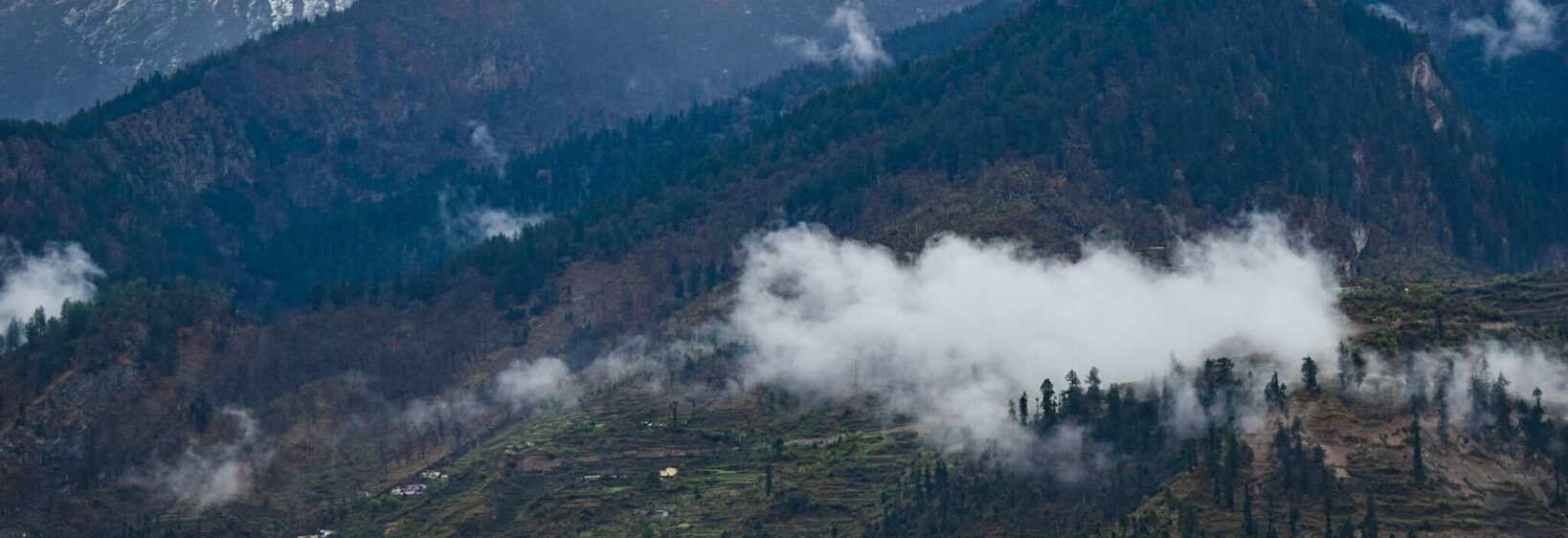
Kalsi Edicts of Ashoka: ancient rock inscriptions in a forest setting
The Kalsi rock edicts sit quietly in a sal and teak forest about 40 kilometres south of Dehradun, tucked into the lower foothills of the Himalayas. Carved into a massive quartzite boulder along the banks of the Yamuna, these fourteen inscriptions are among the best-preserved examples of Emperor Ashoka's moral proclamations in northern India. The setting feels far older than the edicts themselves, as if the rock simply chose to remember.
For travellers raised on Australian bushwalks and the thick eucalypt canopies of the Blue Mountains, the forest around Kalsi offers a familiar sense of being swallowed by greenery, though the species and the silence feel entirely different. Unlike the sandstone slots of the Grand Canyon walk near Blackheath, where wallabies dart between the gum trees, the path to the Kalsi boulders passes through dense sal, with the Yamuna river gurgling somewhere out of sight beneath a canopy thick enough to muffle voices.
The forest setting and the river
The edicts are inscribed on a single rock face that rises about ten metres from the forest floor, framed by trees that have grown around it for centuries. The site sits within the Kalsi Reserved Forest, a protected patch of woodland that buffers the inscriptions from the road and the small village nearby. In the cooler months, mist settles into the hollows around the boulders and the air smells of damp leaf litter and resin.
The Yamuna, which most visitors in Australia would recognise from the Taj Mahal rather than its source region, runs close by. Locals say the river here is still clean enough to drink from in the dry season, though travellers are usually advised to stick to bottled water. The forest carries the sound of the water clearly, especially in the early morning when the birds are quiet and the only movement is the slow drift of mist across the rock face.
What the edicts say
The fourteen inscriptions at Kalsi cover the same broad themes as Ashoka's other rock edicts scattered across the subcontinent: respect for elders, kindness to animals, religious tolerance, and the king's pledge to govern through dharma rather than force. Two of the panels are particularly well known, including the so-called Schism Edict, which warns against splintering the Buddhist sangha, and the Cave Edict, which grants a rest period to officials who had been posted for too long in remote districts.
Brahmi script, the ancestor of most modern Indian scripts, runs across the polished stone in neat rows that are still legible after more than two thousand years. Scholars have worked from photographs and rubbings since the nineteenth century, though standing in front of the actual rock gives a much better sense of how deliberate the carving was. The chiselling is shallow but confident, and the panels are aligned to be read by someone approaching from the footpath rather than from the river.
Themes found across the rock panels:
- Proclamations on dharma, or moral governance, replacing conquest with compassion
- Instructions to respect animal life, including limits on hunting and ritual sacrifice
- Warnings against schism within the Buddhist community, set out in the Schism Edict
- Grants of leave for royal officials posted in distant regions, recorded in the Cave Edict
Reaching the site from Australia and elsewhere
Most visitors reach Kalsi by road from Dehradun, which is roughly an hour's drive depending on the Uttarakhand traffic. From Delhi, the journey takes around six hours by car or a comfortable overnight bus, which Australian travellers used to long-haul flights via Singapore or Kuala Lumpur tend to find reasonable. The site itself is open during daylight hours, and a small interpretation shed near the entrance has English translations of most of the edicts.
A handful of guesthouses in the village offer basic rooms, and the closest proper hotel infrastructure is back towards Chakrata or Dehradun. Travellers who like to plan ahead often pre-book a driver through local agencies, particularly during the monsoon when the roads can be slippery. Many visitors pair the edicts with a broader Uttarakhand itinerary that includes Mussoorie, the hill station once popular with British officials, and the surrounding Himalayan viewpoints.
Forest wildlife and seasonal change
The forest around the edicts is part of a wider corridor that connects to the Rajaji National Park, where leopards, elephants and a growing population of tigers occasionally wander. Birdwatchers come specifically for species such as the great hornbill, the red-breasted parakeet and several varieties of barbets that thrive in the older sal stands. Monkeys are common near the car park and have learned to associate visitors with food, so it is wise to keep snacks sealed away.
The vegetation changes noticeably with the seasons. Spring brings a flush of small wildflowers along the path, while the post-monsoon months turn the forest floor into a dense carpet of ferns. In winter, the rocks themselves can be cold to the touch, and a light jacket is enough to make the visit comfortable, especially for those used to an Australian winter that runs the other way around the calendar.
A practical note before you go
The site is best approached with a local guide who can point out the smaller inscriptions that are easy to miss from the main viewing platform. Cameras are allowed, though tripods sometimes draw a polite request from the on-site attendant. A small entry fee supports the upkeep of the interpretation shed and the forest path.
Visitors who want a richer picture of Uttarakhand's heritage sites often combine a trip to Kalsi with photo stories and travel notes published by https://ukphotosgallery.com/, which has long covered the region's temples, hill stations and quieter corners. Bringing a notebook helps, as does patience: the edicts reward slow looking, and the forest does the rest.
Useful items to bring along:
- A refillable water bottle, since the site has no cafeteria or shop
- Sturdy walking shoes for the uneven path and rocky approach
- A small notebook to copy down translations you want to remember
- A light layer or rain jacket during the July to September wet months