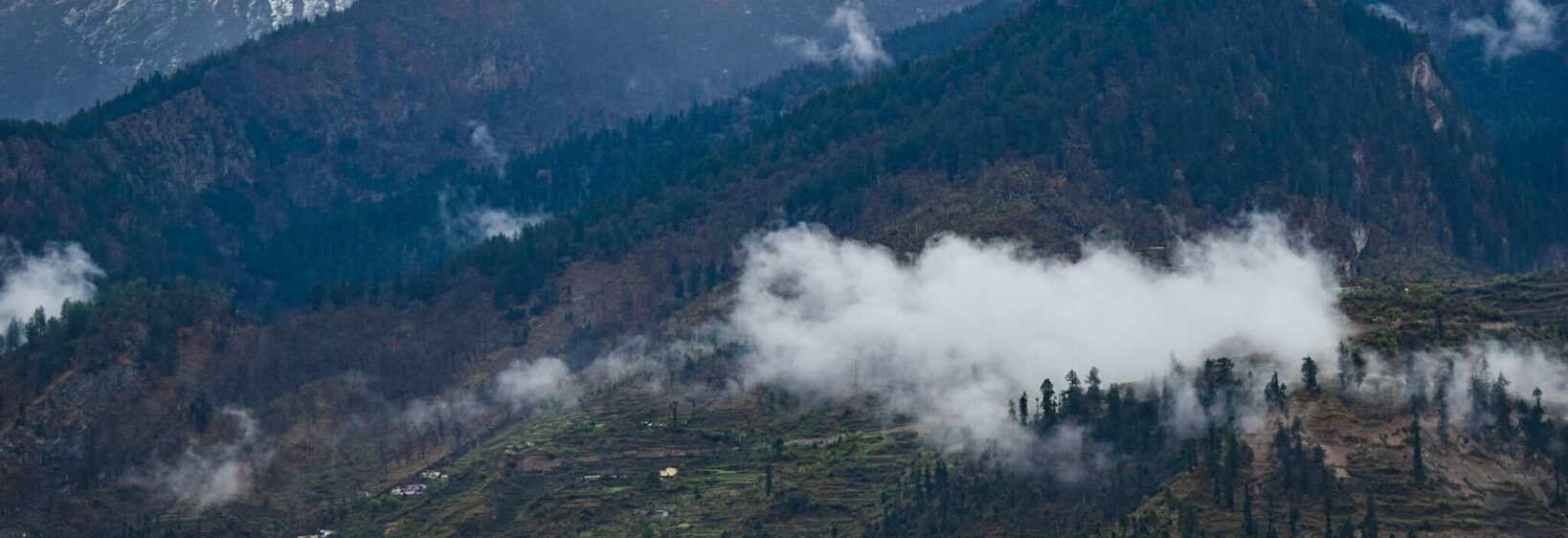
A Day in the Life of a Pahari Farmer: Photo Documentary
Before sunrise, the mountain villages of Uttarakhand begin to stir. Smoke rises from stone kitchens, cattle bells echo across terraced slopes, and the first light touches ridgelines above the forest. For a Pahari farmer, the day follows the landscape’s rhythm rather than a clock.
This photo documentary follows an ordinary day in the hills, from early chores and fieldwork to evening conversations beside the hearth. Each image reveals a close relationship between farming, family, weather, and the highland environment.
Agriculture in the region is often small-scale and demanding. Narrow terraces, sloping paths, seasonal water sources, and changing weather shape every task. Yet the work also preserves local knowledge and a way of life deeply connected to Uttarakhand’s villages.
Morning chores in the mountain village
The day often starts with collecting water, feeding cattle, sweeping the courtyard, and preparing tea or a simple breakfast. In many homes, these responsibilities are shared across generations. Older family members may sort grain or prepare fodder while younger people head towards the fields.
A farmer walking along a stone path becomes a natural opening image: a basket on the back, a sickle in hand, and terraced farmland stretching behind. The soft morning light shows the textures of slate roofs, mud walls, pine needles, and dew-covered crops more clearly than the harsh afternoon sun.
Working the terraced fields
Terrace farming allows cultivation on steep Himalayan slopes, but every plot requires constant care. Farmers loosen soil, remove weeds, repair field boundaries, and guide rainwater through small channels. Depending on the season, the fields may hold mandua, rice, wheat, pulses, vegetables, or fodder crops.
The work is physical and precise. A close photograph of hands pressing seeds into dark soil can communicate as much as a wide landscape view. Portraits should include the surrounding setting, because the farmer’s identity is inseparable from the fields, forests, and ridges that support the household.
Food, livestock, and household economy
Cattle, goats, and poultry are important parts of village life. Animals provide milk, manure, income, and security when harvests are uncertain. Gathering grass and carrying fodder is a daily responsibility, often involving steep woodland paths and heavy loads.
Meals are usually practical and seasonal. Fresh greens, lentils, rice, millet flatbreads, potatoes, and homemade pickles may appear on the family table. A documentary sequence can connect the field to the kitchen: harvested produce, grain being cleaned, firewood stacked near the stove, and a shared meal after hours of work.
Songs, stories, and community life
Farming rarely happens in complete silence. Conversations carry between terraces, children play near courtyards, and local songs may accompany repetitive work. The musical traditions of the hills preserve stories of love, devotion, migration, harvest, and village life. A closer look at Uttarakhand folk music adds cultural context to photographs of community gatherings and seasonal celebrations.
Festivals, temple visits, and weekly markets bring villagers together beyond the fields. Clothing, ornaments, wooden tools, and traditional architecture also deserve attention. These details help a photo essay move beyond scenic tourism and present rural Uttarakhand through the people who live there.
A visual rhythm from dawn to dusk
The strongest documentary sequence follows time naturally. Morning images can use cool tones and long shadows, while midday frames show the intensity of fieldwork. Evening photographs often become warmer, with silhouettes, cooking fires, and distant village lights creating a reflective ending.
| Part of the day | Typical activity | Useful photographic focus |
|---|---|---|
| Before sunrise | Water collection and animal care | Courtyards, lanterns, mist, quiet portraits |
| Early morning | Walking to fields and preparing soil | Paths, tools, terraces, backlit figures |
| Midday | Weeding, planting, harvesting, or grazing | Hands, textures, wide mountain views |
| Afternoon | Carrying fodder and returning home | Movement, baskets, forest trails |
| Evening | Cooking, rest, and family conversation | Firelight, silhouettes, intimate details |
Weather can transform the visual story within minutes. Clouds may hide distant peaks, rain can deepen the colour of the soil, and clear skies reveal the scale of the valley. The photographer should remain flexible rather than waiting for a perfect postcard scene.
Photographing rural life respectfully
A farmer is a participant in the story, not a decorative figure in a landscape. Ask permission before making close portraits, especially inside homes, during religious activities, or while recording children. Showing a preview of a portrait and sharing selected photographs later can build trust.
Travelers heading into remote mountain areas should also prepare responsibly. Reliable footwear, limited equipment, drinking water, and respect for private land are essential. Those planning a longer high-altitude journey can study this Pindari Glacier itinerary for practical lessons about routes, weather, and mountain travel.
Practical guidance for a meaningful photo walk
A thoughtful visit produces better images and supports the community being documented.
- Begin early, when village activity and natural light are both at their best.
- Carry a compact camera, spare batteries, weather protection, and a small notebook.
- Learn a few respectful local phrases and avoid interrupting active farm work.
- Photograph ordinary details such as tools, seeds, paths, meals, and hands.
- Credit local people and share images with them whenever possible.
The finished photo story should leave viewers with more than admiration for Himalayan scenery. It should show the skill, patience, and cooperation behind every cultivated terrace and household meal.
Follow the rural trails of Uttarakhand through more destination stories, cultural features, and mountain photography on UK Photos Gallery, and let each frame bring the living traditions of the hills closer.