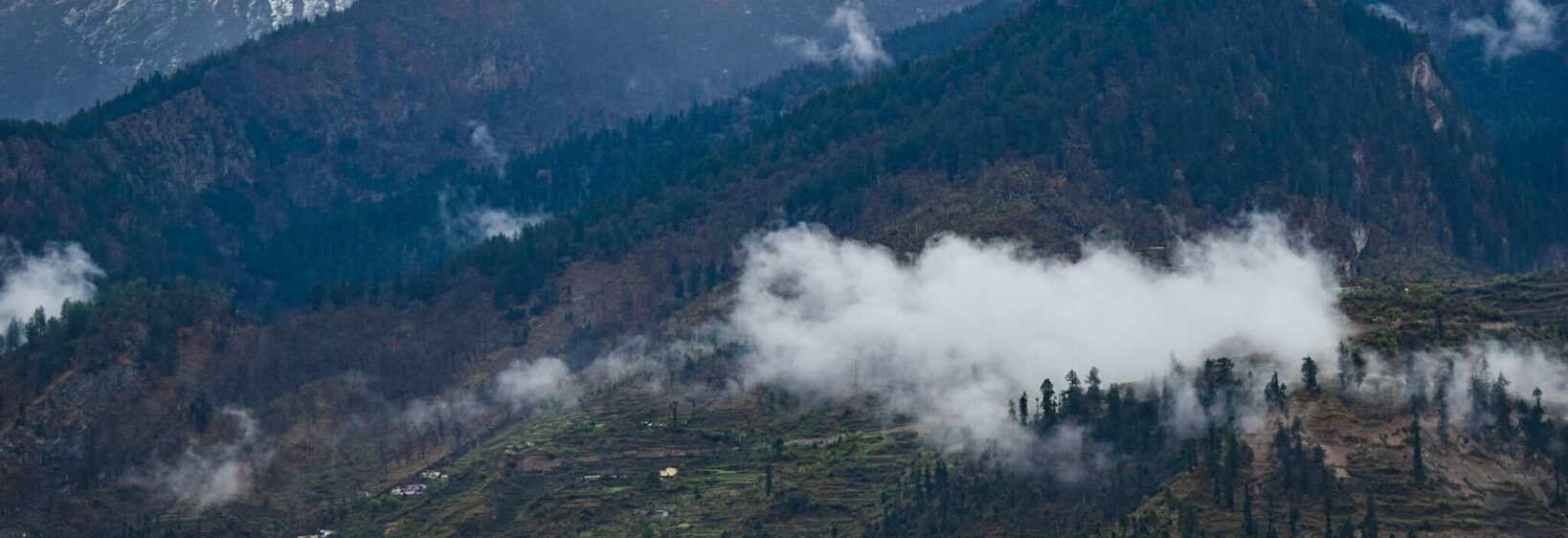
Golu Devta temple in Ghorakhal and the bells devotees leave behind
Perched at roughly 2,200 metres in the Kumaon hills of Uttarakhand, the Golu Devta temple at Ghorakhal draws a steady stream of pilgrims who arrive with bundles of brass bells to hang on the shrine's verandahs. Travellers flying in from Sydney or Melbourne often add the site to a wider hill-station circuit that includes Nainital, Mukteshwar and Ranikhet. What began as a small hilltop shrine has grown into one of the most photographed temples in northern India, where the ringing of newly dedicated bells echoes through the cedar and oak forests every few seconds.
The temple's appeal lies in its dual reputation as both a court of justice and a wish-fulfilling shrine. Locals believe that Golu Devta, an incarnation of Lord Shiva, adjudicates disputes swiftly, and that any false testimony risks immediate misfortune. For visitors, the ritual of leaving a bell at the altar is a way to seal a vow, settle a grievance or simply mark a journey through the Kumaon hills.
The mountain setting and the origins of the shrine
Ghorakhal sits on a saddle of land between Nainital and Almora, a route that climbs through terraced slopes and pine forests. The name itself means "horse pasture", a reminder of the days when British-era cavalry grazed here in summer. The shrine is approached by a short flight of stone steps that opens onto a courtyard framed by views toward Nanda Kot and the outer ridges of the Himalayas.
According to local lore, the deity was installed by a visiting ascetic who found the spot suited to meditation and penance. Over generations, the cult of Golu Devta expanded outward, drawing devotees from across Kumaon. A broader write-up of the regional belief system is captured in the folklore of nearby villages, where the temple is still consulted before weddings, land deals and the settling of inheritance disputes.
Why bells hang from every eave
The most striking feature of the temple is the forest of bells that covers its wooden rafters. Devotees buy bells from vendors in the lane below the steps, with sizes ranging from a few centimetres to massive temple bells that must be carried by two people. Once offered, the bell is hung on a wire frame that runs along the entire porch, creating a shimmering curtain of brass that catches the late-morning sun.
The custom is rooted in the belief that the ringing sound alerts the deity to the devotee's request. A single strike is said to carry a prayer across the valley, while an unbroken clang represents an unbroken vow. Many bells carry the names of the families who hung them, scratched into the brass, which means the temple doubles as a kind of public ledger of fulfilled promises.
Crowds, festivals and the best window to visit
Crowds at Ghorakhal peak during the two annual fairs held in the Kumaoni month of Chaitra, which usually falls in March or April, and again during the autumn Navratri window in October. On these days, the lane leading to the temple can feel as packed as a Saturday market in central Brisbane, with pilgrims, vendors and school groups pressed shoulder to shoulder. Weekday mornings outside festival periods are noticeably calmer, and the queue for darshan rarely stretches beyond twenty minutes.
Travellers from Adelaide or Perth often time their visit to the post-monsoon weeks of late September and early November, when the air is crisp, the surrounding orchards are heavy with apples, and the bell frames are dry enough that the brass develops a deep golden tone. Winter brings frost and occasional closures when the access road ices over, much as Melbourne's trams occasionally grind to a halt during a rare cold snap.
Logistics, stays and travel comparisons
Ghorakhal is roughly 22 kilometres from Nainital and can be reached by shared jeep, taxi or the infrequent state-run bus. Most visitors base themselves in Nainital or Mukteshwar, where the range of accommodation is broader and the lake or orchard views make for a longer holiday. Visitors planning a slower stay in the region often find value in this A Guide to Homestays in Mukteshwar Experience Village Life write-up, which explains how local families open their courtyards to guests looking for slow travel in the hills.
For international travellers, the simplest route is a flight to Delhi followed by an overnight train or a domestic hop to Pantnagar airport. Costs work out much the same as a short domestic break for Australians, with a comfortable guesthouse often costing the equivalent of AUD 40–70 per night, depending on the season.
| Option | Distance from Ghorakhal | Approx cost (one way, per person) | Best for |
|---|---|---|---|
| Shared jeep from Nainital | 22 km | AUD 4–6 | Budget travellers, small groups |
| Private taxi from Nainital | 22 km | AUD 18–25 | Families, flexible timings |
| Self-drive from Mukteshwar | 38 km | Fuel ~AUD 8 | Slow travel, photography stops |
| State-run bus | 22 km | AUD 1–2 | Solo pilgrims, very early starts |
Light woollens, sturdy shoes and a small offering bell are the only practical items needed at the shrine itself. Most pilgrims complete their visit within an hour, leaving the courtyard to the softer afternoon light over the Kumaon ridges.