Kathgodam station: vintage trains and mountain arrival shots
Kathgodam railway station sits quietly in the foothills of the Kumaon range, acting as the main railhead for travellers heading into Uttarakhand. From its platforms, night expresses leave toward Delhi while regional services climb outwards to hill stations like Ranikhet and onwards to the pilgrimages of the upper Himalayas. For Australian wanderers landing in Delhi after a flight from Sydney or Melbourne, Kathgodam becomes the first real breath of mountain air, and the first platform where the slow rhythm of the foothills replaces the urgent pace of the capital.
The old and the new overlap here in plain sight. Locomotives from different decades pull up beside hand-painted signs, and post-independence architecture now wears modern bilingual boards. Photographers chasing vintage trains and mountain arrival shots find that Kathgodam rewards patience with weather-worn machines, dramatic cloud light, and silhouettes that wouldn't look out of place in a 1970s railway poster.
Heritage tracks from the colonial era
The line into Kathgodam was extended in the early decades of the last century to open the Kumaon hills. The route follows curves cut through sal forest, with a few stone bridges still carrying metre-gauge carriages alongside broad-gauge replacements. Walking the platforms, you see the layered history of Indian rail in one frame, a quality that appeals to visitors used to the sterile interchanges of Sydney Central.
The platform itself works as an open-air museum. Signal boxes, manual point levers, and wooden benches coexist with digital displays and prepaid taxi counters. Trains that originally hauled timber still run, re-bodied and re-painted, on winter heritage excursions.
Steam, diesel and the vintage locomotive experience
Kathgodam is a favourite among rail enthusiasts for its mix of steam-era equipment and mid-century diesel locomotives. During the cooler months, special heritage trains arrive behind black-and-chrome engines that hiss and clank their way up from the plains. The platform fills with families waving off relatives bound for Almora or Ranikhet, much as their grandparents did decades ago.
For visitors used to Melbourne's polished commuter terminals, the Kathgodam experience feels rawer and more lived-in. There are no glass partitions or sanitised visitor carriages. You share a seat with a farmer headed to the weekly market and watch the foothills slide past as the sun sets behind the chai wallah's stall.
Comparing the main train options
Ticket classes range from general unreserved seats to air-conditioned sleepers, with a service tax broadly similar in spirit to Australia's Goods and Services Tax added at the booking counter. Smartraveller advises confirming medical evacuation cover before any hill travel.
| Service | Route | Departure window | Best for |
|---|---|---|---|
| Ranikhet Express | Kathgodam – Old Delhi | Evening | Connecting flights from Australia |
| Bagh Express | Kathgodam – Howrah | Overnight | Long-haul into eastern India |
| Heritage Tourist Special | Kathgodam – Bhavnagar | Seasonal winter mornings | Photographing vintage diesel |
| Naini – Jan Shatabdi | Kathgodam – Delhi | Early morning | Returning to Delhi the same day |
| Mela Specials | Kathgodam – Tanakpur | Festival days | Pilgrimage transfers |
Most services accept bookings through IRCTC, the official Indian rail portal. Walk-up tickets can be purchased on the day, although heritage and festival runs often sell out weeks ahead. Reaching Kathgodam the night before an early departure helps avoid the rush of Delhi-bound passengers.
Morning mountain arrival shots
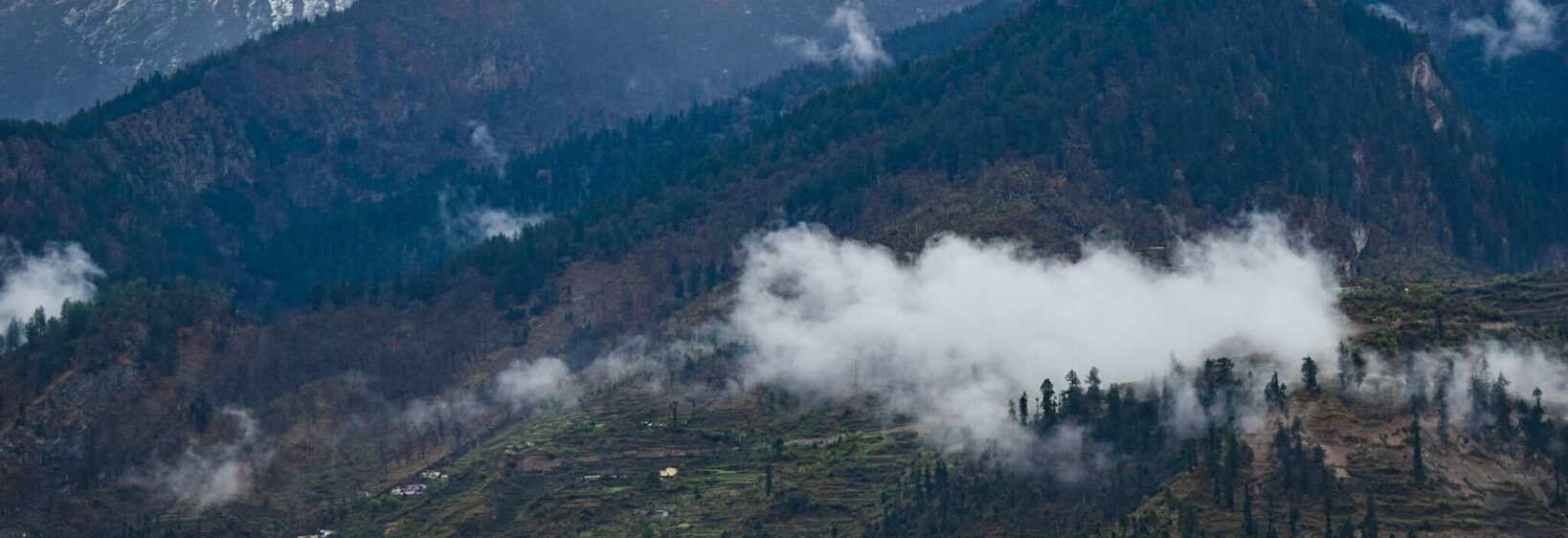
Photographers arrive at Kathgodam well before sunrise, often after an overnight bus from Delhi or a connecting flight into Pantnagar. The trick is the morning fog that rolls off the Kumaon hills, partly obscuring the line while letting slanting light hit the engines. A vintage locomotive emerges from the mist as tea vendors set up, engines catching the first warm light.
Many travellers carry their cameras onward to treks around Deoria Tal or stays in Joshimath, but the station itself is the photograph that frames the journey. To see more visual stories from these foothills, browse a curated collection at ukphotosgallery.com.
Photography and travel recommendations
Reach the platform at least 45 minutes before a heritage departure to catch the engine being shunted, and prepare for cooler dawn temperatures than Delhi even in late autumn. Layering works better than a heavy coat because the morning sun warms the platform quickly.
A polite word to platform staff often grants a quick step beyond the yellow line for a clearer angle, and IRCTC bookings should be made weeks ahead for October and November heritage runs. Pack layers, drinking water, and a sense of humour: the station is busy but rarely overwhelming.
- Reach the platform at least 45 minutes before a heritage departure.
- Carry a fast prime lens and a small tripod for low-light arrivals.
- Ask station staff before stepping onto the tracks, as most allow quick crossings with permission.
- Book heritage services through IRCTC weeks ahead in October and November.
- Pack warm layers for early-morning shoots even in March, as fog cuts visibility sharply.
- Keep small Australian dollar notes for last-minute chai, with rupees as your main backup.
- Combine the shoot with a day trip to Nainital or a loop through Mussoorie for varied mountain light.
Beyond the platform
Kathgodam is best understood as a doorway rather than a destination. From here, the plains drop away and the mountains begin their patient rise toward Kedarnath, Badrinath, and the meadows of Chopta. For Australians seeking quieter alternatives to crowded Shimla or Darjeeling trails, Uttarakhand offers something more personal.
Returning to the station at trip's end, with dust on your boots and a memory card full of fog-laced rails, you realise Kathgodam handed you the story right at the start.