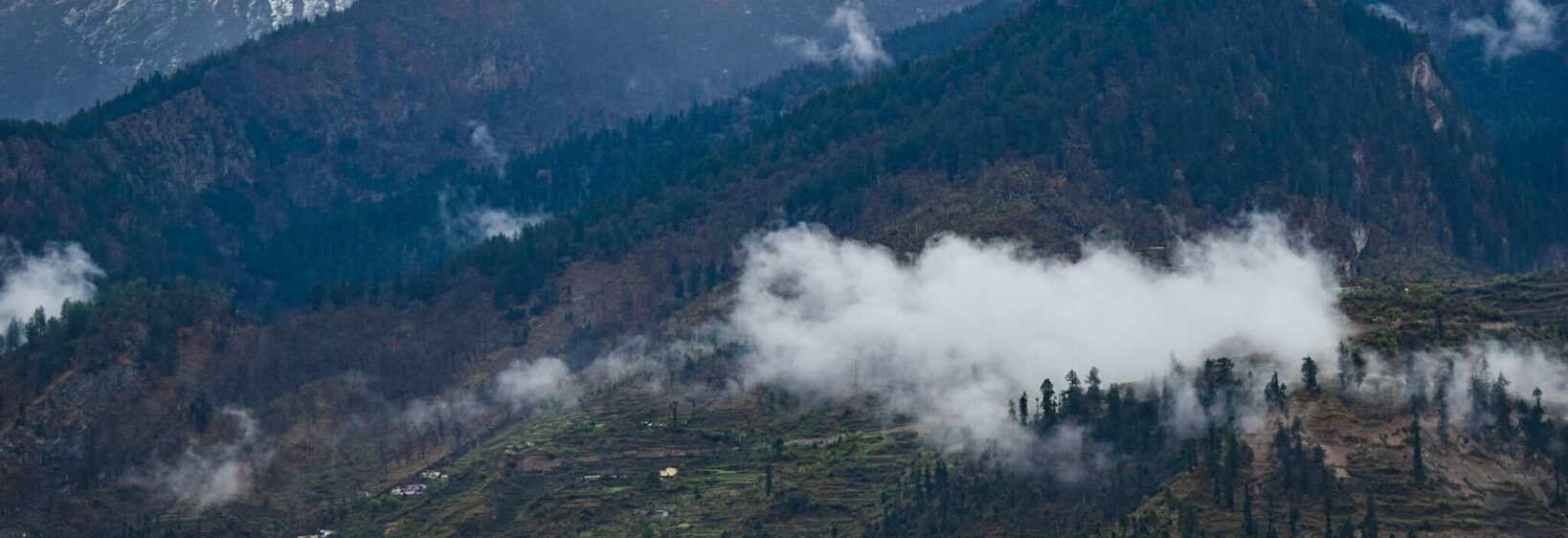
Golden needles of Doon Valley: autumn light through the pines
Doon Valley stretches across the southern foothills of the Himalayas, cradling the state capital Dehradun in a broad basin framed by distant snow peaks. The valley takes its name from the Dun formations, and pine forests have cloaked its slopes for centuries. When October arrives, the air sharpens, mornings arrive draped in mist, and the Himalayan chir pines begin their slow seasonal surrender. Light filters through thinning canopies in long, honeyed shafts that seem almost solid against the cool morning air.
For travellers flying in from Sydney or Melbourne, the timing feels strangely fortunate. Australian autumn falls between March and May, meaning that when Brisbane's jacarandas bloom purple in November, Doon Valley is already deep into its own autumn palette. Many visitors from Perth and Adelaide plan their Indian itineraries around this six-week window, trading the southern hemisphere's spring for the Himalayan foothills' fiery finale. The contrast becomes a quiet thrill: stepping off a long-haul flight into a landscape that looks like a gilded mirror of home, just months out of step.
What makes the Doon pines different from European or North American autumn displays is the combination of long-needled conifers and broadleaf sal trees shedding together. Rather than a single sweep of colour, the valley offers a layered tapestry, with golden needles carpeting the trails and amber sal leaves drifting above. Sunbeams pierce the canopy at steep angles, throwing geometric shadows across the forest floor. This guide explores how that magic forms, where to find it, and how Australian visitors can make the most of a short Himalayan autumn.
The lay of the valley
The Doon Valley sits at roughly 600 to 900 metres above sea level, pinched between the Himalayas to the north and the Shivalik Hills to the south. Dehradun, the largest urban centre, lies at the valley's heart, while older satellite towns like Mussoorie rise on the surrounding ridges. The chir pine, or Pinus roxburghii, dominates the middle elevations, thriving on rocky, well-drained slopes where monsoon rains run off quickly. These trees can reach thirty metres in height, their long needles drooping in graceful tassels that catch every passing breeze.
The valley's unique geography creates microclimates within short distances. A thirty-minute drive from central Dehradun can shift you from subtropical sal forest to pure pine woodland, then up through oak and rhododendron into higher elevations. This layering means autumn arrives in waves rather than all at once, beginning in the upper ridges around mid-October and finishing in the lower forests by late November. Photographers and naturalists alike rely on this slow procession to extend their viewing window.
Why the pines turn gold
Chir pines are not truly deciduous; their needles remain green for two to three years before browning and dropping in a staggered cycle. What autumn does is accelerate the shedding of older needles, particularly those exposed to cooler nights and shortening days. The chlorophyll retreats, revealing underlying yellow pigments that were always present but masked during the growing season. The result is a tree that appears to blush from the inside out, with inner branches turning first while outer tips hold their summer green longest.
Cool overnight temperatures combined with bright, dry days create the ideal conditions for this display. A light overnight frost is rare in the lower Doon, but the crisp air of late October triggers the needle drop regardless. Visitors walking through these forests in early morning often hear the soft percussion of falling needles, a sound locals describe as the forest shaking out its blanket.
The needle carpet phenomenon
Within a few weeks, the carpet thickens to several centimetres, muffling footsteps and lending the woods a hushed, almost sacred atmosphere. Walking through these pine groves feels distinctly different from crunching over oak leaves or beech mast back home. The needles bend and spring rather than snap, releasing a faint resinous scent that sharpens in the cold.
This carpet also serves a practical purpose. The fallen needles suppress weed growth, retain soil moisture through the dry pre-monsoon months, and slowly return nutrients to the shallow Himalayan soils. For visitors, it transforms ordinary trails into golden runways where every footfall leaves a temporary print before the next breeze smooths the surface. Children from visiting Australian families often find the experience as memorable as any temple visit, their laughter echoing softly between the trunks.
Chasing sunbeams through the canopy
The interplay of low autumn sun and pine canopy produces some of the most photogenic conditions in the Indian Himalayas. From around 6:30 am until 9 am, sunlight strikes the slopes at fifteen to twenty degrees, sending long parallel beams through the gaps between trunks. These shafts highlight drifting dust, pollen, and the occasional spider web with startling clarity.
Beyond photography, the experience appeals to anyone drawn to forest bathing. The Japanese practice of shinrin-yoku emphasises slow, mindful immersion among trees, and the Doon pines offer ideal conditions: clean air, soft surfaces underfoot, and visual stimulation without overwhelming the senses. Visitors from Hobart or Adelaide often comment on how familiar the atmosphere feels despite the exotic location, a kind of sensory shorthand for temperate woodland that translates across continents.
Travelling from Australia
Australian visitors benefit from direct connections between major Australian cities and Delhi, with carriers operating flights from Sydney, Melbourne, and increasingly Perth. From Delhi, Dehradun is a short hour flight or a scenic seven-hour train journey, the Shatabdi Express being a popular choice. Travellers should check current Australian Biosecurity regulations before packing, as India sits within a region that requires declaration of certain food items, wooden souvenirs, and untreated plant material upon return.
Budgeting is straightforward, with the Australian dollar generally holding strong against the Indian rupee. GST applies to most goods and services within India at varying rates, so receipts should be kept for higher-value purchases. Many Australian visitors arrange part of their trip through local tour operators to simplify logistics, and sites like ukphotosgallery.com often feature updated guidance on the best local guides, homestays, and seasonal packages. Coffee culture survives the journey: most Dehradun cafés now serve a respectable flat white, recognising the steady stream of Aussie travellers passing through.
Beyond the pines: nearby trails
The pine forests of Doon Valley connect seamlessly to longer Himalayan trails, allowing visitors to combine forest bathing with more demanding hikes. The Mussoorie hill station lies just an hour away, with the Camel Back Road offering a gentle walk through mixed pine and oak woodland. Further north, the trails toward Haridwar and Rishikesh drop into sal forest and riverine scrub, providing a different seasonal palette.
For travellers with longer itineraries, the journey can extend toward the sources of the Ganges and beyond. A detailed look at the road to Mana Village and the Vyas Gufa reveals how the pine landscape transitions into bare rock and alpine meadow as the elevation climbs. Each shift in altitude brings its own autumn rhythm, making the broader Uttarakhand region a rewarding destination for those who want to follow the season from valley floor to mountain pass.
Planning an autumn visit
Late October through mid-November offers the most reliable window for the needle carpet and sunbeam combination. Accommodation ranges from forest rest houses to boutique homestays, with prices varying sharply by season. Pack layers, as mornings can dip below ten degrees while midday sun remains warm. Sturdy walking shoes are essential, both for traction on the needle carpet and for stability on the steeper trails beyond the valley.
| Aspect | Doon Valley pines | European beech forest | North American maple |
|---|---|---|---|
| Dominant colour | Golden-yellow needles | Orange-brown leaves | Crimson-red foliage |
| Canopy density | Moderate to open | Dense | Variable |
| Drop pattern | Gradual, 4-6 weeks | Rapid, 2-3 weeks | Moderate, 3-4 weeks |
| Best light angle | 15-25 degrees | 30-40 degrees | 20-35 degrees |
| Ground coverage | Thick needle carpet | Mixed leaf litter | Leaf and twig mix |
| Photographic peak | Late October | Mid-October | Early October |
Respect local customs and private property boundaries, as many forest areas border farmland and small communities. Hiring a local guide enriches the experience and supports the regional economy that depends increasingly on thoughtful tourism. The pines of Doon Valley have stood for centuries, and a mindful visit ensures they continue to welcome travellers from across the world for many autumns more.