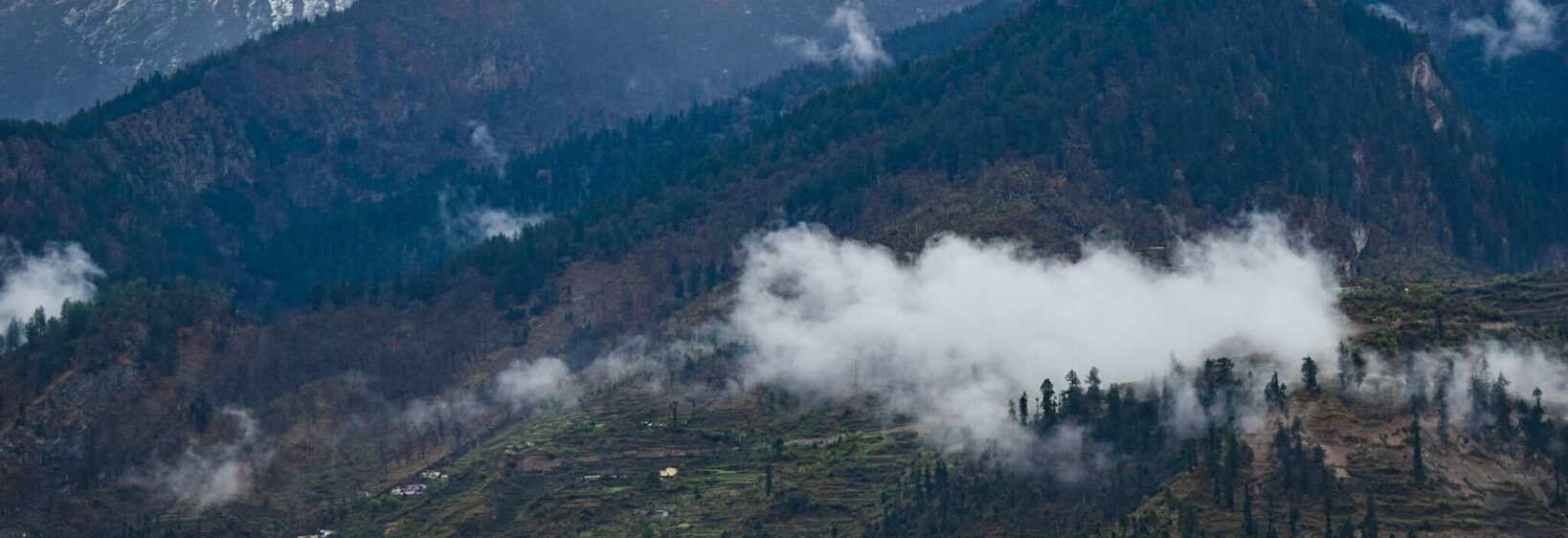
The Bageshwar temple complex: a hidden gem of Kumaon
At the meeting point of the Sarayu and Gomti rivers, Bageshwar offers a quiet and deeply atmospheric pilgrimage experience in Uttarakhand. The town is best known for its riverside shrines, old stone architecture, mountain views, and living Kumaoni traditions.
Although many visitors pass through on the way to trekking routes and hill villages, the Bageshwar temple complex deserves time of its own. Its sacred courtyards, bells, river ghats, and surrounding markets reveal a side of Uttarakhand that feels intimate rather than crowded.
The spiritual heart of Bageshwar
The main shrine is Bagnath Temple, dedicated to Lord Shiva. Its name is associated with Shiva appearing in the form of a tiger, and local belief gives the temple a powerful connection with the town’s identity. The sanctuary stands beside the river confluence, where the movement of water adds a constant natural rhythm to prayers and ceremonies.
The complex includes smaller shrines devoted to several Hindu deities, creating a compact but rewarding pilgrimage circuit. Worshippers often move between the temples, light lamps, ring bells, and pause at the ghats before continuing into the old market area.
Architecture, legends, and river scenery
Bagnath Temple reflects the traditional stone-building style seen across Kumaon. Its carved details, tall tower, metal bells, and weathered surfaces show how the shrine has been shaped by centuries of devotion. The setting is especially striking early in the morning, when sunlight touches the temple roof and mist lingers above the Sarayu.
Bageshwar’s sacred geography is tied to legends of sages, meditation, and divine appearances. The rivers are more than a backdrop; they define the atmosphere of the town. Travellers interested in Himalayan pilgrimage routes may also enjoy reading about the Rudraprayag confluence, another important meeting of rivers in Uttarakhand.
What to see around the temple
A visit can begin at Bagnath Temple before extending to the nearby riverbank and associated shrines. The Chandika Temple is another important place of worship in Bageshwar, while the Nileshwar area offers a quieter setting and broader views across the valley. Local residents can help visitors identify smaller sanctuaries that may not appear in standard travel guides.
The surrounding bazaar adds colour to the pilgrimage experience. Shops sell puja items, woollens, brass objects, sweets, and everyday Kumaoni products. During religious festivals, the lanes become livelier with music, processions, temporary stalls, and families arriving from villages across the district.
| Experience | Best time | What to expect |
|---|---|---|
| Temple darshan | Early morning | Peaceful prayers and soft riverside light |
| River ghats | Morning or late afternoon | Views of the Sarayu–Gomti meeting point |
| Local market | Daytime | Puja goods, snacks, woollens, and regional products |
| Uttarayani fair | January | Folk culture, trade, music, and large gatherings |
Festivals and Kumaoni traditions
The Uttarayani fair is the most celebrated event in Bageshwar. Held around Makar Sankranti in January, it brings together pilgrims, farmers, artisans, traders, and performers. The fair reflects the social life of Kumaon as much as its religious heritage, with folk music, local food, handmade goods, and traditional dress.
Visitors may also encounter regional languages such as Kumaoni alongside Hindi. Listening respectfully, supporting small local vendors, and avoiding intrusive photography helps preserve the welcoming character of the town. Ask permission before photographing worshippers, ceremonies, or artisans.
Planning a comfortable visit
Bageshwar is connected by road with Almora, Kausani, Ranikhet, and other Kumaon destinations. The journey includes winding mountain sections, so daylight travel is usually more comfortable. Kausani can be paired with Bageshwar for Himalayan views, while Munsiyari and Baijnath offer longer extensions for travellers with additional time.
Accommodation ranges from modest guesthouses to small hotels near the town centre. Facilities are practical rather than luxurious, but the location makes it easy to reach the temples, market, and riverside on foot. Carry modest clothing, comfortable walking shoes, water, and cash for smaller shops and offerings.
A respectful temple visit
Bageshwar is a working pilgrimage town, not simply a heritage attraction. Dress conservatively, remove footwear where required, follow local instructions, and keep temple areas clean. Photography may be restricted inside shrines, especially during rituals.
The most rewarding visit is unhurried. Spend time observing the stonework, listening to temple bells, watching the rivers merge, and noticing how devotion continues alongside ordinary daily life. That combination gives the complex its distinctive charm.
Add Bageshwar to a Kumaon itinerary and allow at least half a day to explore its temples, ghats, market, and local food. With a camera, a respectful attitude, and enough time to wander, this riverside pilgrimage town can become one of the most memorable stops in Uttarakhand.