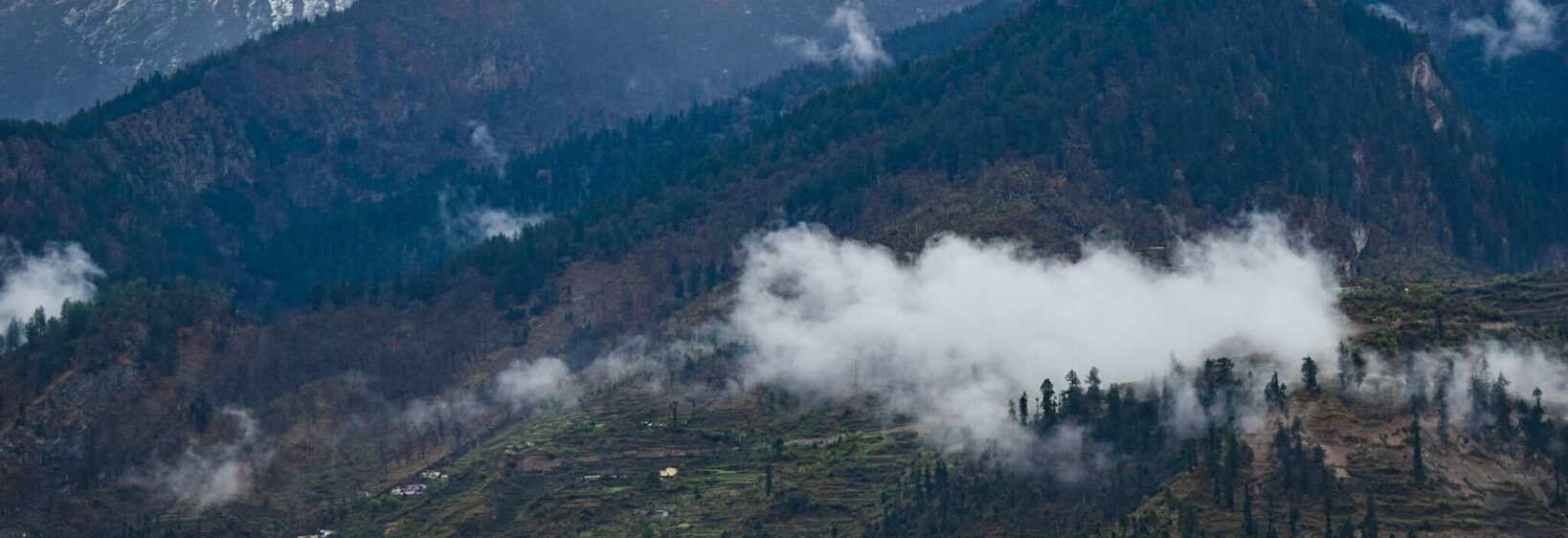
Gaurikund Thermal Springs Through A Photographer’s Lens
Before the Kedarnath trail fills with pilgrims, Gaurikund wakes beneath a veil of steam. Early bathers move quietly around the warm-water pools, their silhouettes softened by mist, woollen shawls, and the blue-grey light of the Garhwal Himalaya. For a photographer, these moments offer a portrait of devotion, routine, and mountain weather in a single frame.
The thermal springs are more than a scenic stop. They belong to the cultural landscape of Gaurikund, the traditional gateway to Kedarnath in Uttarakhand. Water, worship, mule trains, tea stalls, and changing light create a visual story that rewards patience rather than hurried sightseeing. More regional photography can be explored through Uttarakhand photo guides before planning a visit.
The atmosphere before sunrise
A pre-dawn visit reveals Gaurikund at its most intimate. Pilgrims arrive for a ritual bath, often carrying towels, small bags, or fresh clothing. Steam rises against dark hills and corrugated roofs, while the first sounds of temple bells and roadside kitchens gradually replace the stillness.
The air can feel sharply cold outside the bathing area, particularly during the autumn pilgrimage season and winter shoulder months. This contrast creates the defining visual effect: warm vapour surrounding people whose faces and hands remain touched by the chill. A long lens can preserve personal space, while a wide lens can place bathers within the larger mountain settlement.
Photographing steam and human expression
Steam photography depends on backlight. When the first sunlight reaches the vapour from behind, droplets become visible and bodies appear as layered silhouettes. Exposing for the brightest background usually protects the atmosphere, though a photographer should check highlights frequently because mist can fool a camera’s metering system.
Portraits should remain observational and respectful. Ask permission before photographing recognisable bathers, especially during bathing or prayer. A safer approach is to focus on hands, feet, wet textiles, reflections, and partially obscured figures. These details communicate the ritual without turning a private act into a spectacle.
For visitors from Australia, the scene may feel very different from a dawn swim at Bondi or a soak at Hepburn Springs in Victoria. In Gaurikund, bathing can carry religious meaning, so the relaxed “no worries” approach common in Australia needs to be balanced with local etiquette and awareness.
Reaching the springs with care
Gaurikund sits at high altitude and serves as the roadhead for the Kedarnath pilgrimage route. Access, bathing facilities, and water conditions can change after landslides, heavy rain, infrastructure work, or seasonal crowd controls. Always follow current instructions from local authorities, temple staff, and accommodation operators rather than relying on an old travel post.
The route from Australia usually involves a long flight to Delhi, followed by domestic travel and an overland journey through Uttarakhand. Australians often plan around annual leave, school-holiday pricing, and Australian dollars, while Indian pilgrimage travel can be strongly seasonal. Comparing transport, porter, accommodation, and guide costs in advance helps prevent surprises at the mountain end of the trip.
Pack a dry bag, lens cloths, spare batteries, layered clothing, and footwear with reliable grip. Mobile coverage may be inconsistent, and power cuts can occur in remote Himalayan settlements. A printed booking detail and offline map are sensible additions, even for travellers accustomed to dependable connectivity in Melbourne, Sydney, or Brisbane.
A respectful morning photography routine
Arrive quietly, keep equipment compact, and avoid blocking entrances or pathways. A small mirrorless camera or phone can work well if protected from condensation. Allow the device to warm gradually inside a sealed bag when moving between cold air and humid steam; sudden temperature changes can create moisture inside the equipment.
Use the following simple habits:
- Arrive before sunrise and observe before shooting.
- Keep a towel or cloth ready for damp lenses.
- Ask before making close portraits.
- Leave clear access around bathing and prayer areas.
A practical visitor checklist can also include:
- Check weather, road, and pilgrimage updates.
- Carry cash in small denominations.
- Bring water, snacks, and prescribed medicines.
- Confirm whether photography is permitted nearby.
For Australians, this is a place where “brekkie” may need to wait. Tea stalls and simple meals can be available early, but opening times are not as predictable as a café strip in Fitzroy or Fremantle. Building in extra time is wiser than scheduling a tight same-day connection.
Reading the scene through changing light
The character of the springs shifts every few minutes. Pre-sunrise blue tones emphasise solitude, golden light brings out skin and fabric, and later daylight reveals the bustle of pilgrims preparing for the Kedarnath trek. A sequence of photographs will usually tell the story better than one dramatic frame.
| Moment | Visual character | Useful approach | Visitor consideration |
|---|---|---|---|
| Before sunrise | Deep blue shadows and dense steam | Stabilise the camera and use quiet compositions | Keep movement and voices low |
| First sunlight | Glowing vapour and rim-lit figures | Try backlighting and partial silhouettes | Ask before recognisable portraits |
| Morning activity | Pilgrims, porters, tea stalls, and trail preparation | Use a moderate lens for layered scenes | Avoid obstructing the route |
| After the mist thins | Clearer views of buildings and mountain slopes | Photograph context and details | Check changing crowd or weather conditions |
The strongest images may show ordinary gestures: someone wringing out a cloth, adjusting a shawl, or pausing beside the warm water. These small actions connect the thermal springs to everyday pilgrimage life and give the photographs a sense of place that a purely scenic image cannot provide.
From an Australian travel perspective, the experience is best treated as a cultural encounter rather than a quick tick on a Himalayan itinerary. Patience, modesty, and attention to local rhythms will produce better portraits—and a more meaningful morning in Gaurikund.