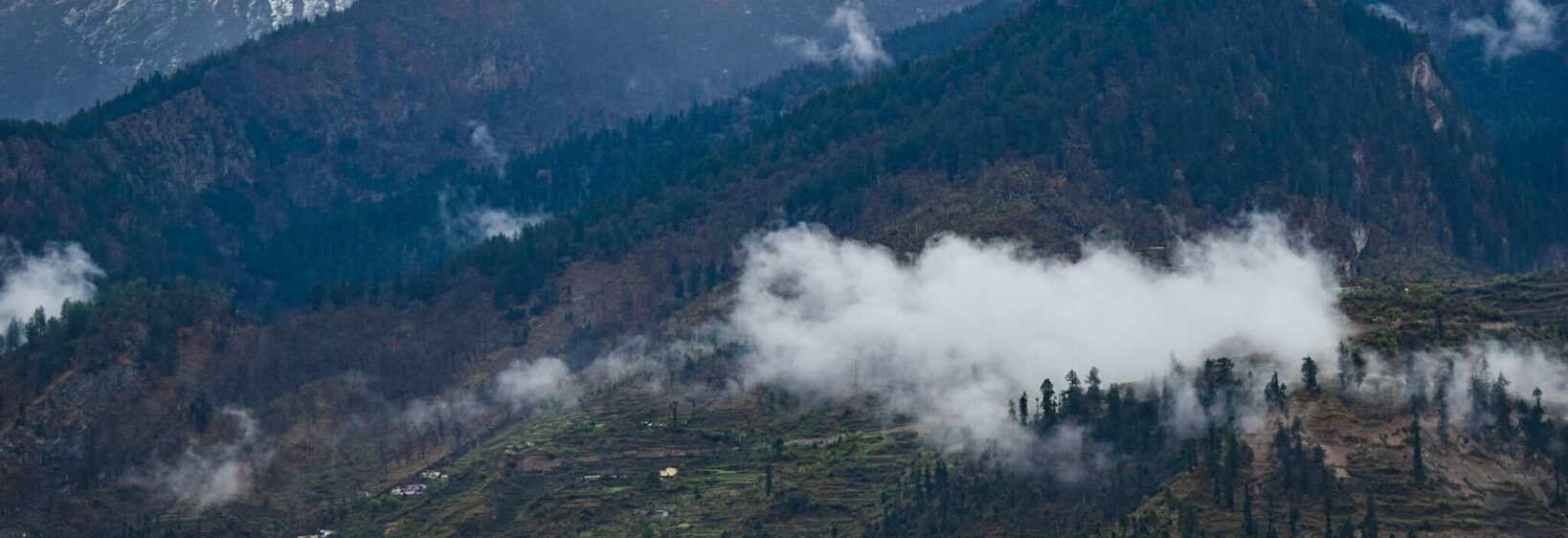
Photographing the Char Dham Circuit in Uttarakhand
The Char Dham pilgrimage circuit—Kedarnath, Badrinath, Gangotri and Yamunotri—combines dramatic Himalayan scenery with temples, rivers, forests and deeply rooted devotional traditions. For photographers, each destination offers a different visual language, from Kedarnath’s stark mountain amphitheatre to the quieter forest trails leading towards Yamunotri.
Travellers from Sydney, Melbourne, Brisbane and other Australian cities should plan around altitude, weather and transport rather than treating the journey as a conventional road trip. India’s monsoon, narrow mountain roads and busy pilgrimage seasons can change a schedule quickly, while early starts, modest clothing and patience make photography more rewarding.
| Destination | Strongest Visual Subjects | Main Photography Challenge | Useful Season |
|---|---|---|---|
| Kedarnath | Temple, peaks, pilgrims, Mandakini River | Altitude and changing cloud | May–June, September–October |
| Badrinath | Temple frontage, Alaknanda River, mountain light | Crowds and restricted areas | May–June, September–October |
| Gangotri | Bhagirathi River, pine slopes, shrines | Harsh contrast and cold | May–June, September–October |
| Yamunotri | Forest paths, hot springs, river source | Trekking access and mist | May–June, September–October |
Plan Around Light And Altitude
Morning is usually the most dependable time for landscape photography. Peaks may be clear before clouds build, temple courtyards are less crowded, and soft side light reveals stone texture. Blue-hour images can work beautifully in Kedarnath and Badrinath, but carry a headlamp because paths become dark quickly.
Altitude affects both people and equipment. Kedarnath stands at roughly 3,583 metres, while Yamunotri is reached by a demanding uphill route. Walk slowly, drink water and allow time to acclimatise. Australian visitors accustomed to coastal conditions in Sydney or Perth should avoid packing too many activities into the first high-altitude day.
Capture The Character Of Kedarnath
Kedarnath photographs are strongest when they show the relationship between the temple, surrounding peaks and the stream of pilgrims. Use a wide lens for the full setting, then switch to a standard lens for details such as bells, woollen shawls, prayer beads and weathered stone. Avoid turning worshippers into anonymous scenery; ask before making close portraits.
The route from Gaurikund includes bridges, mule traffic, tea stalls and changing mountain views. A compact camera or mirrorless body is easier to manage than a large kit. The Kedar Bugyal trek offers useful inspiration for understanding Himalayan trekking conditions and composing highland landscapes beyond the main shrine.
Work With Temple Etiquette
Photography rules vary between temples and can change during festivals or security checks. Follow signs, listen to priests and staff, and never photograph inside a restricted sanctum. Put cameras away during rituals when requested. Shoes must generally be removed in designated areas, and discreet clothing is appreciated; singlets, short shorts and revealing tops are unsuitable for pilgrimage sites.
A respectful image often comes from the wider setting rather than the altar. Frame temple flags against the sky, record pilgrims approaching from a distance, or focus on architectural details. This approach preserves the spiritual atmosphere and avoids interrupting private prayer.
Find Layers At Badrinath And Gangotri
Badrinath provides varied compositions within a compact area. The colourful temple façade contrasts with dark mountain slopes, while the Alaknanda River creates leading lines through the settlement. Try vertical framing for the temple and valley, and watch reflections near calmer water after sunrise.
Gangotri feels more rugged, with the Bhagirathi River, deodar and pine forests, rocky banks and high ridges. Fast shutter speeds freeze turbulent water, while a tripod and longer exposure can soften it where safe. Keep well away from slippery edges, especially during rain or when carrying a camera bag.
Photograph The Journey To Yamunotri
Yamunotri is as much about the approach as the destination. The trail includes forest, bridges, steep steps, pack animals and changing views of the valley. A lightweight telephoto lens can isolate walkers against the hillside, while a wide lens records the scale of the route. Photographing from the side of the path is safer than stopping in narrow sections.
Steam from the hot springs, prayer flags and mist can create atmospheric images, but lenses may fog when moving between warm and cold conditions. Keep gear in a sealed bag for a few minutes before exposing it. Australians travelling during winter school holidays should remember that Himalayan temperatures can feel severe even when their home city is mild.
Pack For Weather And Responsible Travel
Mountain weather can shift from bright sun to rain within minutes. Use a rain cover, dry bags, lens cloths, spare batteries and a power bank. A polarising filter helps control glare on rivers and wet rock, while moderate ISO settings preserve detail in shaded valleys. Check airline and local transport limits before carrying a drone; many sacred or protected areas restrict drone use.
Responsible photography also means leaving no packaging, avoiding staged scenes that disturb animals, and supporting local guides, porters, homestays and small cafés. Browse the Uttarakhand photo guide for broader visual references when planning a route through the state.
Practical Recommendations For Australian Travellers
- Carry Indian rupees in smaller notes because remote villages may have unreliable card or mobile payment access.
- Bring sun protection suited to Australian conditions, including a broad-brimmed hat, sunscreen and sunglasses, while adding warm layers for high elevations.
- Build in buffer days around road transfers, particularly during monsoon months and the busy May–June pilgrimage period.
- Use local guides for difficult trails and ask permission before photographing residents, sadhus, shopkeepers or ceremonies.
- Keep clothing modest near shrines and pack sandals that are easy to remove at temple entrances.
- Protect cameras from dust, rain and condensation with dry bags, silica gel and a simple cleaning kit.
- Check current opening dates, road conditions, accommodation and helicopter or shuttle arrangements before leaving larger hubs such as Dehradun or Rishikesh.