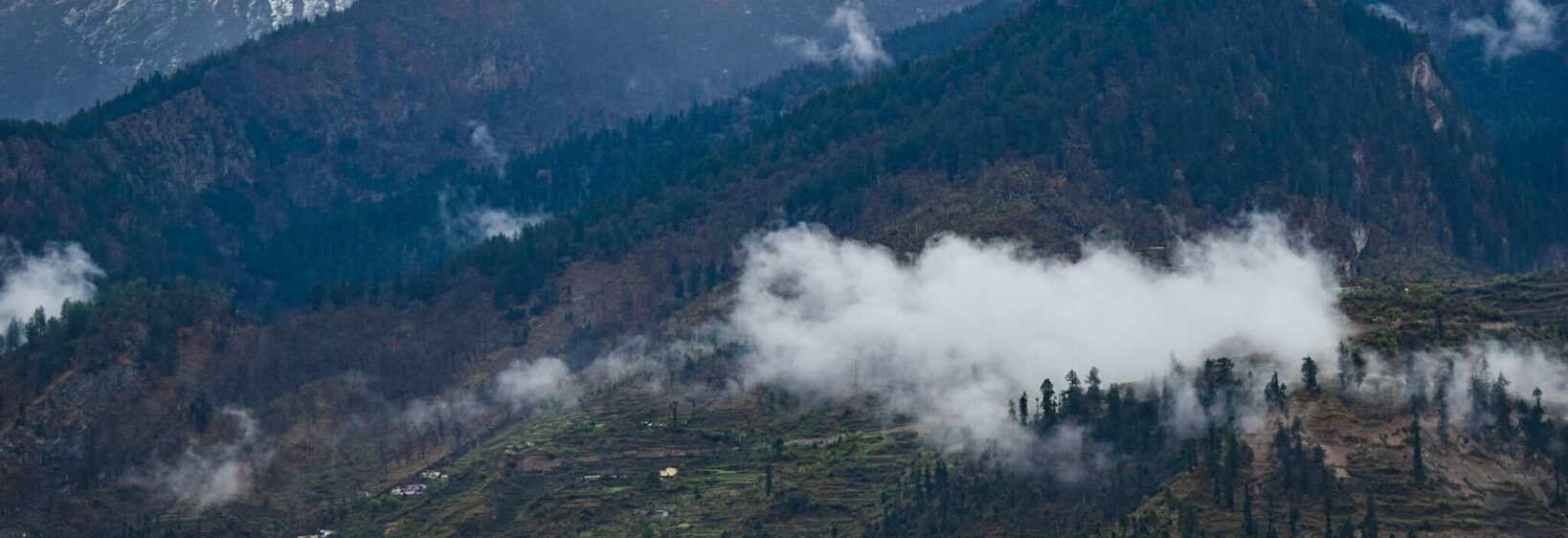
Auli's winter wonderland: skiing slopes and snow-covered peaks
When Australian skiers zip up their jackets at Thredbo or Perisher in July, the Southern Hemisphere ski season is in full swing. Half a world away and six months out of phase, the Garhwal Himalayas are quietly preparing for their own snowy spectacle, one that swaps eucalypt-fringed runs for oak and deodar forests, and the slopes of New South Wales for the white flanks of Nanda Devi. Auli, a small hill station in Uttarakhand's Chamoli district, transforms each December into a powder playground that has begun to draw curious travellers from places as far as Sydney, Melbourne, and Perth.
The appeal is straightforward: a high-altitude meadow above 2,500 metres, a ropeway that climbs from Joshimath, and a vista of some of the most photographed Himalayan summits. Yet the real charm lies in how unhurried the place still feels, with chai stalls, woollen-clad porters, and temple bells punctuating the mountain air.
Reaching the Himalayan ski basin
Auli sits above the pilgrim town of Joshimath, roughly 250 kilometres from Dehradun's Jolly Grant Airport. The drive winds up through Devprayag and Rudraprayag, where the Alaknanda and Mandakini rivers meet, before turning north toward the snow line. Many travellers break the journey with an overnight stop in Rishikesh, where the Ganges leaves the foothills, or in the quieter town of Srinagar Garhwal.
From Joshimath, the Auli Ropeway, one of the longest in Asia, ferries visitors across a forested ridge to the ski slopes in under twenty minutes. The cable car replaces a long, winding jeep track and gives the first hint of the altitude to come.
The slopes and what makes them special
The skiing area stretches across broad, gently tilted meadows known locally as bugyals, edged by dense conifer stands. The primary run runs about three kilometres from a height near 3,050 metres, with gradients that suit both first-timers and intermediate skiers. A second, steeper slope drops toward the village of Joshimath, while ungroomed terrain between the pistes attracts those chasing fresh tracks after a snowfall.
What sets the snow apart is its quality. The dry, cold air of the inner Himalayas produces light, crystalline powder, the kind that squeaks underfoot and clings to fir branches in sculpted drifts. Skiers accustomed to the heavier snow of Australian resorts such as Falls Creek or Mt. Buller often notice the difference within their first few turns.
Skiing infrastructure and training
Auli's setup is modest by European or Japanese standards, but functional. Two ski lifts serve the main slopes, and the state-run Garhwal Mandal Vikas Nigam (GMVN) maintains a small ski centre with rental gear, instructors, and a basic practice slope near the ropeway's upper station. Beginners can book a short course and have themselves sliding confidently within a couple of days.
Helicopter skiing is available through private operators for those chasing untouched bowls higher up the ridge, though weather windows are short. A growing number of Indian ski instructors trained in places like Austria and Switzerland now return home to teach through the winter, bringing technical polish to the local scene.
Beyond skiing: snowy landscapes and viewpoints
Even non-skiers find plenty to do. The trek to Gorson Bugyal, a sweeping alpine meadow, takes about an hour from the upper cable car station and rewards visitors with panoramic views of Trishul, Dunagiri, and the distant silhouette of Kamet. At sunrise, the peaks turn a pale, hammered gold that photographers travel thousands of kilometres to capture.
Nanda Devi National Park, a UNESCO World Heritage Site, lies just south of the resort, and short excursions visit the high-altitude lake of Bedni Bugyal during the warmer shoulder months. In winter, the focus narrows to snowshoe walks, bonfire evenings, and the slow ritual of adjusting to mountain time.
Local culture and Garhwali hospitality
Auli is part of the broader Joshimath circuit, a region steeped in Hindu mythology. The hill above town is linked to the Dronagiri Parvat, said to have supplied the medicinal herb Sanjeevani in the Ramayana. Nearby, the Narsingh Temple and the Kalpavriksha draw pilgrims year-round, and during winter, local priests perform small havan ceremonies near the resort for travellers seeking blessings before a day on the slopes.
Food leans on Garhwali staples: aloo ke gutke, mandua roti, and hearty thalis of lentils and mountain greens. Guesthouses serve chai in battered steel tumblers, and the warmth of a wood-fired room after a day in the cold becomes its own reward.
Australian travellers and the long route east
Australians heading to Auli generally arrive between December and February, the peak Himalayan snow months, which conveniently fall during the Australian summer. That timing means swapping beach days in Sydney or Brisbane for a markedly different kind of holiday. Most fly via Delhi or Mumbai on carriers such as Qantas, Singapore Airlines, or Air India, with onward domestic connections to Dehradun.
Travellers should keep in mind a few practical realities. Indian visa applications for Australian passport holders are processed online, and the fee is set in line with bilateral agreements. Power sockets differ from Australian ones, so a universal adaptor is essential, and many travellers find that buying a local SIM on arrival is cheaper than international roaming. Australia's Goods and Services Tax does not apply overseas, of course, but understanding the Indian GST structure helps when reading receipts at hotels and restaurants.
Practical planning for a snow holiday in Auli
January and early February deliver the most reliable powder, though late December catches the festive atmosphere in nearby hill towns. Accommodation ranges from GMVN's tourist rest house to private cottages and tented camps, and booking ahead is wise during school holidays in India, when domestic demand peaks.
A handful of operators bundle transfers from Dehradun, the ropeway tickets, and ski rental into a single package. Detailed visual guides and seasonal photo essays on the travel blog for Uttarakhand can help travellers compare conditions across seasons and plan a route that combines Auli with Rishikesh, Rudraprayag, or even the lake at Deoria Tal before returning south.