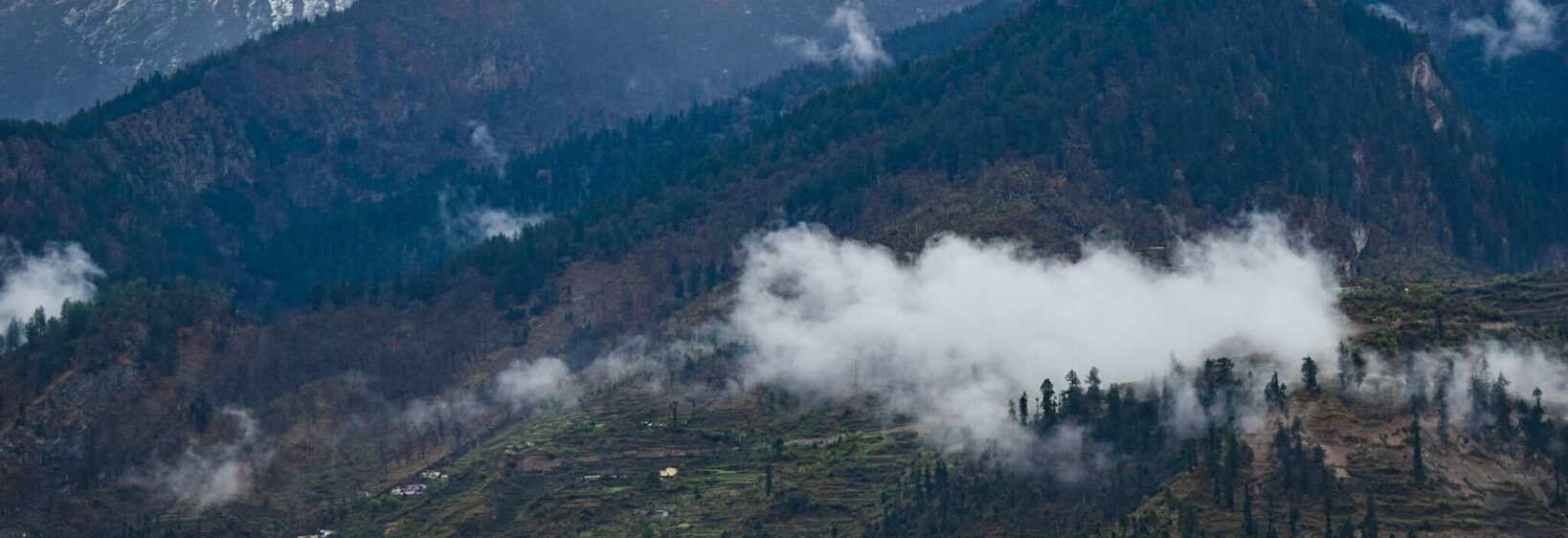
Jageshwar Temple Complex: Ancient Shrines Among Deodar Forests
Hidden in a narrow valley of the Kumaon Himalayas, the Jageshwar Temple Complex stands as one of India's most atmospheric clusters of stone shrines. Hundreds of weathered spires rise from a dense canopy of Himalayan cedar, their grey slate roofs merging with the moss-covered trunks of deodar trees that have guarded the site for centuries. The complex draws pilgrims, archaeologists, and travellers seeking a quieter counterpart to the more famous Char Dham circuit.
For visitors arriving from Australia, the journey to this forested sanctuary involves a flight into Delhi and then a connecting service to Pantnagar or a mountain drive from Kathgodam. Travellers from Sydney or Melbourne often treat the temple town as a meditative pause during broader Himalayan itineraries. The crisp alpine air and the scent of resin from the surrounding woods offer a sensory experience that contrasts sharply with the eucalyptus-scented bushland of the Blue Mountains.
Origins and the Katyuri Builders
The earliest shrines at Jageshwar date back to the 8th and 9th centuries, commissioned by the Katyuri kings who ruled the Kumaon region before the Chand dynasty consolidated power. Archaeologists from the Archaeological Survey of India have catalogued over 124 temples scattered along the Jataganga stream, with the main sanctum dedicated to Lord Shiva in his form as Jageshwar, the "Lord of the Universe."
The architecture is distinctive for its tall stone sikharas that imitate wooden prototypes, a transition that occurred as the region moved away from timber construction. Carved lintels depict river goddesses, dancers, and Shaivite emblems, while the inner sanctums hold polished stone lingams that pilgrims anoint with water from the sacred spring. The skill of the masons rivals contemporary work found at temples further east in Odisha.
The Deodar Canopy
Surrounding the shrines, a protected forest of Cedrus deodara creates a hushed atmosphere that has shielded the monuments from harsh weather. These Himalayan cedars can live for over a thousand years, and several specimens near the main temple are estimated to be more than 500 years old. The forest floor is carpeted with ferns during the monsoon and converts into a carpet of dry needles by late autumn.
Birdwatchers often spot Himalayan bulbuls, verditer flycatchers, and the occasional koklass pheasant among the branches. The high canopy also shelters sambar deer and barking deer, which occasionally descend to the stream at dawn. Compared with the open woodlands around Bendigo in Victoria, these groves feel dense and cathedral-like, filtering sunlight into soft green shafts.
Pilgrimage and Daily Ritual
Devotees arrive year-round to circumambulate the complex, ringing brass bells at each shrine and offering milk, bilva leaves, and honey. The most important festival is Maha Shivaratri in February or March, when the main temple is draped in marigold garlands and oil lamps illuminate every stone carving. Local priests chant throughout the night, and the air fills with the smoke of incense and the sound of conch shells.
Outside festival periods, the complex retains a working rhythm of morning and evening aartis. Visitors can sit on the stone steps overlooking the stream and observe the ritual without intruding, a practice encouraged by the temple committee. Many Australian travellers on yoga retreats in Rishikesh extend their trip northward specifically to experience this quieter form of worship.
Trekking Routes and Side Trails
Beyond the main cluster, several walking paths lead deeper into the deodar forest and up to lesser-known shrines. A moderate half-day trail climbs to the Dandeshwar temple, passing a small waterfall and a cluster of ancient stone platforms. For experienced trekkers, a two-day route continues toward the high meadows near Panchachuli base camp.
The trailheads begin within the temple precinct, so visitors can combine sightseeing with light bushwalking in the same morning. Local guides, many of whom grew up herding sheep in these valleys, charge modest fees and carry detailed knowledge of the flora. Their services are recommended for anyone attempting the longer routes after the winter snow has melted.
Village Life and Local Crafts
The market lane outside the temple entrance sells woollen shawls, copper bells, and small stone replicas of the shrines. Weavers from nearby villages produce traditional Kumaoni patterns using locally spun wool, similar in warmth to the merino products sold at Queen Victoria Market in Melbourne but crafted with regional dyes and motifs. Vendors also offer herbal honey gathered from the surrounding cedar forests.
Travellers often stop at small stalls selling prasad, which typically consists of puffed rice, jaggery, and roasted chickpeas. The area is well known for its brassware, with workshops in Almora producing ritual items used in temples across the region. For those interested in photographing the local culture, additional galleries and trip ideas are featured on UK Photos Gallery.
Comparing the Principal Shrines
While the complex contains over 100 temples, a handful stand out for their size, sculpture, and historical references. This comparison outlines the most visited shrines and their distinguishing features, helping visitors prioritise their walking route through the forested valley.
| Shrine | Location | Notable Feature |
|---|---|---|
| Mrityunjaya | Western cluster | Tallest stone spire, intricate ceiling carvings |
| Dandeshwar | Hilltop above main complex | Panoramic valley views, cave shrines |
| Surbhi Tirtha | Near Jataganga stream | Twin temples, water-filled sanctum |
| Chandi Devi | Eastern edge | Fine stone filigree, smaller footprint |
Practical Tips for Visitors
The most efficient route from Australia involves flying from Sydney or Melbourne to Delhi, then taking a domestic connection to Pantnagar Airport, which lies about four hours by road from the temple town. Alternatively, an overnight train from Delhi to Kathgodam followed by a taxi up the mountain is popular among backpackers. The Australian dollar typically stretches well in rural Uttarakhand, with budget guesthouses and mid-range heritage hotels both available near the complex.
Timing matters because the seasons are reversed relative to the Southern Hemisphere. Australian summer (December to February) coincides with snow at higher elevations, while Australian winter (June to August) brings the greenest forests and the warmest days for walking. The temple remains open throughout the year, though the monsoon months of July and August can trigger landslides on the mountain roads.
Before setting out, a few practical considerations help maintain respect for the sacred precinct and ensure a smooth experience.
- Footwear is removed before entering each sanctum; carry thick socks for cold stone floors.
- Photography is permitted in the outer courtyards but restricted inside the innermost shrines.
- Small denominations of Indian rupees are useful for donations and small purchases.
- Reusable water bottles with purification tablets reduce plastic waste in the forest.
Cultural etiquette further enhances a visit to these ancient shrines.
- Dress modestly, covering shoulders and knees, similar to standards observed in Australian religious sites.
- Avoid pointing feet toward the sanctum or priests during ceremonies.
- Walk clockwise around the main shrine when circumambulating with pilgrims.
- Ask permission before photographing devotees engaged in personal prayer.
With careful planning and an appreciation for the forested setting, a trip to this Himalayan temple complex rewards visitors with a rare sense of continuity between landscape, history, and living faith.