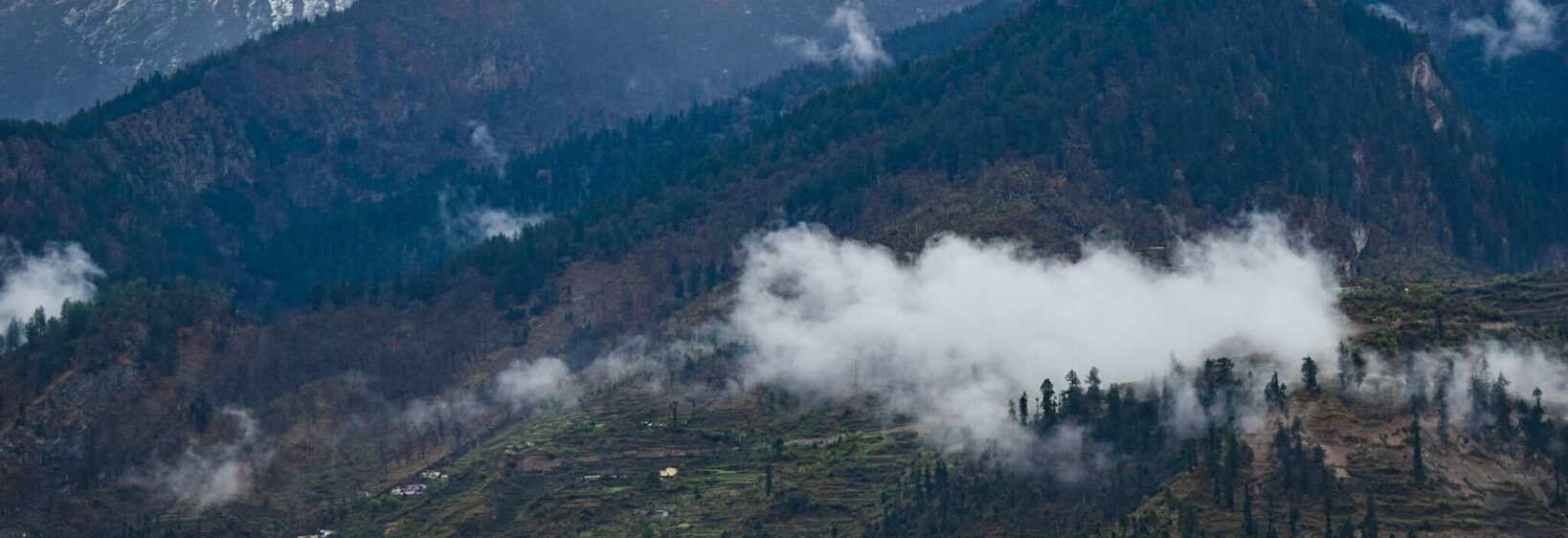
Mukteshwar sunset point and Himalayan mountain views
Mukteshwar’s Sunset Point is one of the most rewarding places to pause in the Kumaon hills. From this rocky viewpoint in Uttarakhand, the landscape opens towards layered Himalayan ranges, forested valleys and distant snow peaks that catch the last light of day.
The experience is gentle rather than demanding. Visitors can walk through cedar and deodar woodland, find a quiet place near the viewpoint and watch the sky shift from gold to rose. Clear winter evenings often bring the sharpest mountain views, while the monsoon creates a moodier scene of clouds rolling across the ridges.
For travellers from Australia, Mukteshwar offers a slower alternative to crowded hill stations. It suits people who enjoy scenic drives, photography, village life and peaceful walks, whether they are adding a few days to a northern India itinerary or looking for a cooler break after visiting Delhi.
Where the viewpoint is located
Mukteshwar stands at roughly 2,285 metres above sea level in Nainital district. The sunset viewpoint is close to the town’s main attractions, including Mukteshwar Temple and the rocky Chauli Ki Jali area. Narrow paths and uneven stone surfaces make sensible footwear useful, particularly after rain.
The journey is usually made by road from Kathgodam, Haldwani or Nainital. Kathgodam is the nearest major railway connection, while Delhi is a common starting point for longer road trips. Travellers who have just landed after a long flight from Sydney, Melbourne or Perth should allow time to recover before tackling winding Himalayan roads.
What you can see at sunset
As afternoon fades, the ridges become increasingly distinct. On a clear day, the horizon may reveal snow-covered Himalayan summits, including views towards Nanda Devi and other high peaks of the Kumaon region. Atmospheric conditions change quickly, so the most dramatic scene may last only a few minutes.
The foreground is just as appealing as the distant mountains. Pine branches, terraced hillsides, scattered homes and blue-grey valleys create natural layers for landscape photographs. A telephoto lens helps with distant peaks, while a wide-angle lens captures the full sweep of the sky and forest.
Best seasons for mountain views
October to November and February to May are popular periods for clear skies and comfortable daytime conditions. Winter mornings and evenings can be cold, but they often provide crisp visibility. Carry a warm jacket even if the afternoon feels pleasant, as temperatures fall quickly after sunset.
The monsoon months bring mist, wet trails and occasional road disruption. They are less reliable for Himalayan panoramas, yet the surrounding woodland looks fresh and green. Australians used to checking the Bureau of Meteorology before a bushwalk will appreciate taking the same approach here, while also asking local accommodation staff about road and weather conditions.
Getting there from Australia
A practical itinerary often combines an international flight to Delhi with a domestic flight or train towards Uttarakhand. From Delhi, a private car or shared taxi can continue to Mukteshwar, although the final mountain section is slow. Building in a spare day is wise because traffic, roadworks and weather can affect travel times.
Australian visitors should compare prices in Indian rupees and Australian dollars, especially when arranging cars, guides or accommodation. Travel insurance should cover trekking, altitude-related care and road journeys. A local SIM or reliable eSIM is useful, since mobile coverage can vary in hill villages.
A relaxed evening itinerary
Arrive at the viewpoint at least 30 minutes before sunset. This gives time to walk carefully, choose a safe position and observe how the light changes across the valley. Avoid standing too close to cliff edges, particularly when taking photographs or moving around in low light.
Afterwards, return to town for Kumaoni food, tea or a simple meal at a guesthouse. An Australian traveller might call this an ideal “arvo” outing: short, scenic and unhurried. Carry water and a small snack, though cafés and shops in the main settlement may provide basic refreshments.
Photography and local culture
Sunset photography works best when the camera is kept ready before the sun reaches the horizon. Use a tripod if available, protect equipment from dust and temperature changes, and take a few vertical images for travel journals. Human stories can be just as memorable as mountain panoramas, so ask permission before photographing residents, temple visitors or workers.
Mukteshwar is part of Kumaon, a region with distinctive food, music, architecture and traditions. Respectful visitors should dress modestly near Mukteshwar Temple and avoid treating local communities as scenery. Learning a simple greeting and showing patience in small shops can make interactions warmer.
Planning a wider Kumaon journey
Mukteshwar can be paired with Nainital, Ranikhet, Almora or Binsar. A longer route allows time for village walks, forest trails and viewpoints beyond the main tourist circuit. The pace is very different from a quick Sydney weekend or a tightly scheduled Great Ocean Road drive, so two or three nights usually feels more comfortable than a rushed stopover.
Travel inspiration, destination photographs and practical ideas for Uttarakhand are collected on UK Photos Gallery. With flexible timing, warm layers and realistic expectations about mountain roads, an evening at Mukteshwar’s Sunset Point can become one of the most memorable views on a Himalayan holiday.