The Bageshwar Temple: confluence of rivers and historical significance
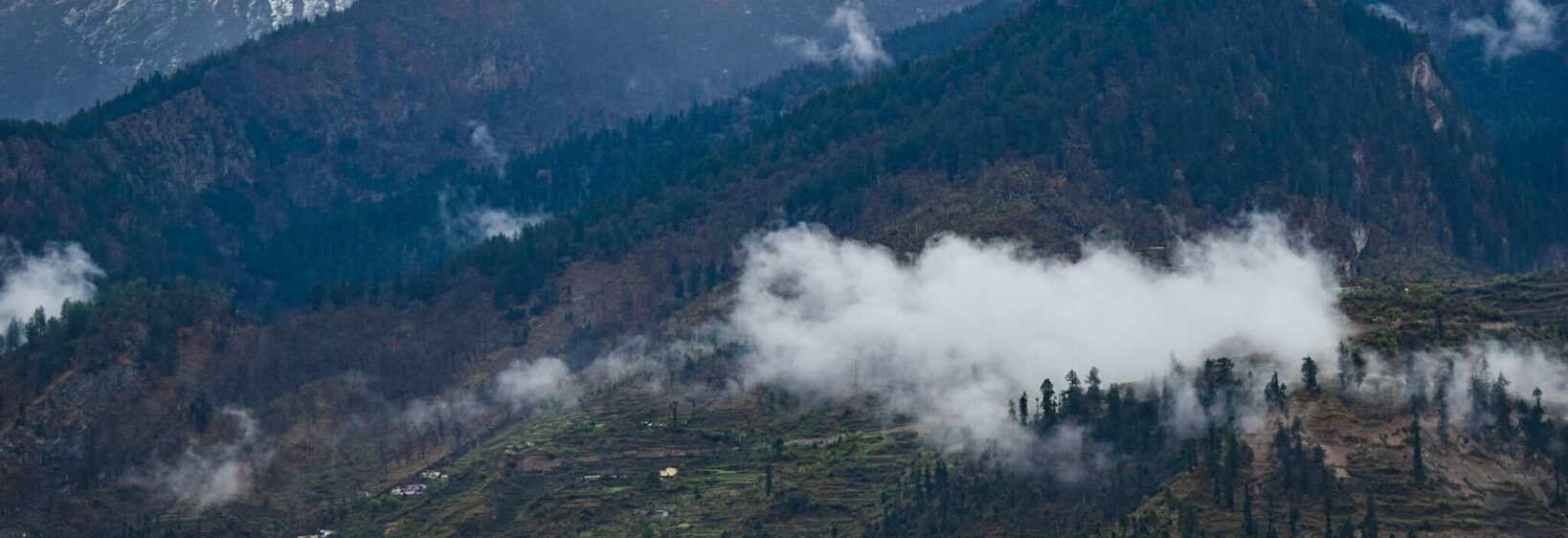
Tucked into the lower Himalayas where the Saryu and Gomti rivers meet, the Bageshwar Temple anchors a small town that has welcomed pilgrims for centuries. Its position at a literal sangam gives it a layered identity, blending shrine, hydrological landmark, and cultural crossroads. Visitors who pause here for a few days often find the temple reframes their understanding of Kumaoni life, drawing them into folklore, regional stonework, and mountain trade.
The temple attracts travellers from farther afield, including trekkers from Melbourne, Sydney, and Brisbane who weave Uttarakhand into longer South Asia itineraries. Indian pilgrims structure journeys around melas, river confluences, and seasonal temple calendars, a rhythm Bageshwar fits naturally, with events shaped by winter solstice fairs and summer climbs.
Locals describe arriving here as stepping into a long-running story. Rivers keep moving, bells keep ringing, and temple steps wear smoother with each passing year. For photographers and cultural travellers, that continuity is precisely what makes the site rewarding.
The surrounding town has modernised alongside rising visitor numbers, but its market culture remains intact, with woollens, brass lamps, and pressed oils lining lanes toward the river. Travellers flying into Delhi or Dehradun cover ground comparable to a Melbourne-to-Mildura run before reaching the foothills, then continue by shared taxi.
The sacred sangam and geographic setting
The Saryu descends from the east and the Gomti from the west, meeting at a flat riverside expanse treated as a sacred bathing zone, especially during the Uttaraini Mela each January. Pilgrims wade into the shallows to rinse away the previous year's misfortunes, while priests arrange small offerings on flat stones along the bank.
The river confluence defines the local microclimate. Mornings are cold and fog-laden, afternoons warm quickly when the sun breaks through. Visitors unaccustomed to mountain weather should layer clothing for early temple visits and carry a rain shell for monsoon months.
Mythological roots and the Chand dynasty legacy
Temple inscriptions and oral tradition place the shrine's origins in the Chand period, when Kumaoni rulers elevated Bagnath, the presiding deity identified with Shiva, to a regional patron. Stone slabs near the inner sanctum reference pilgrim endowments dating back several centuries, while folk narratives weave in episodes from the Skanda Purana.
The name Bageshwar, meaning "lord of the tiger", ties into local iconography where Shiva sits on a tiger skin amid wild surroundings. For Australian visitors familiar with Indigenous Dreaming stories that link ancestral beings to specific landforms, this Indian framing of landscape as sacred storytelling offers a familiar conceptual bridge. The complex also served as an administrative hub during the Chand era, with a bazaar catering to merchants moving goods between Tibet, Garhwal, and the plains.
Architecture, stone craft, and temple layout
The Bageshwar Temple follows the classic Kumaoni nagara style, with a tall shikhara rising in stepped tiers above the sanctum. Local stone quarried from nearby riverbeds gives the structure a muted grey-green tone that shifts with the light. Intricate carvings of floral motifs, river goddesses, and miniature shrine panels run along the outer walls, each one worn smooth by decades of monsoon rain and frost.
Inside, the mandapa is supported by heavy stone columns, and the floor plan allows small processions around the sanctum during festival days. Restoration has focused on stabilising original stonework while improving drainage, prioritising conservation so the building ages honestly.
The Uttaraini Mela and living traditions
Each January, around Makar Sankranti, the temple grounds swell with the Uttaraini Mela, a multi-day fair that turns the riverside into a township of tents, food stalls, and folk performers. Sadhus gather from across Uttarakhand and the wider Gangetic plains, while villagers trade wool, medicinal herbs, and copperware. The fair remains one of Kumaon's most important cultural gatherings.
For travellers familiar with large-scale Australian events such as the Royal Melbourne Show or the Mindil Beach Sunset Markets in Darwin, the mela offers a comparable density of sensory experience, with colour, sound, and crowd energy concentrated into a few dense days. Entry and darshan remain free, donations support upkeep, and the temple retains a steady festival rhythm through monthly holy days and seasonal pujas outside the main fair window.
Pilgrimage trails and the wider Bageshwar circuit
Most visitors use Bageshwar as a base for broader regional circuits. Day walks lead toward the Bagnath temple complex, nearby shrines such as Gauri Udiyar, and quiet viewpoints along the Saryu's upper course. Longer treks connect the town to the Pindari and Sunderdhunga valleys, where glaciers feed the same river system that gathers below the temple.
Local guides, many speaking basic English, arrange multi-day packages pairing temple visits with overnight camps. Accommodation ranges from budget guesthouses to mid-range hotels, with comfortable doubles typically costing the equivalent of AUD 25 to 45 per night. Town travel agencies handle permits, transport, and onward bookings to Joshimath, Rudraprayag, and Rishikesh.
Capturing the confluence: a photographer's note
The temple and sangam reward slow observation. Early-morning fog softens the river edges, while late-afternoon sun paints the shikhara in warm amber tones, ideal for both wide landscape frames and tight architectural details. Travellers packing for a Bageshwar leg of a wider Uttarakhand trip should plan for a minimum of two full days on site, allowing time for riverbank walks, dusk visits, and a sunrise darshan.
Further visual context and regularly updated photo essays covering the wider region can be reviewed at https://ukphotosgallery.com/ before finalising travel plans. Combining that reference with on-the-ground patience tends to produce the strongest results, particularly for those documenting sacred riverscapes.