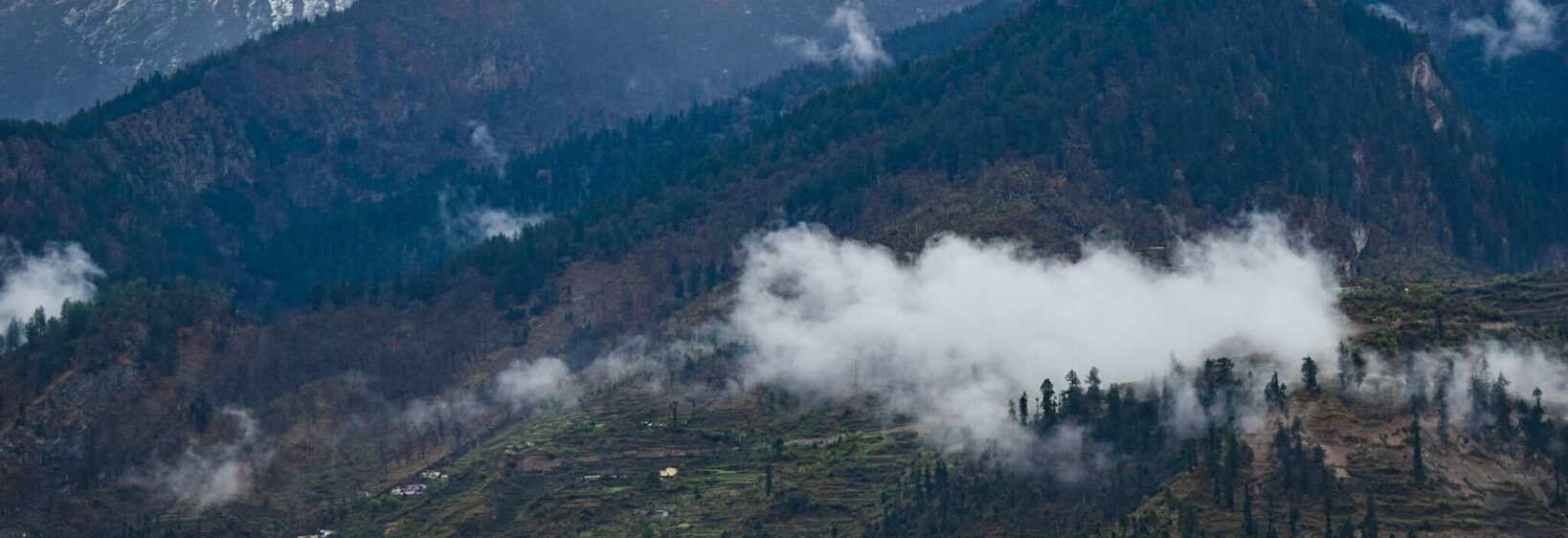
Surkanda Devi Temple: A Hilltop Pilgrimage Through Cedar Forests
Surkanda Devi Temple rests atop a rounded ridge in the Tehri Garhwal area of Uttarakhand, roughly 16 kilometres from the bustling hill town of Mussoorie. The shrine is dedicated to Sati, in her fierce form as one of the Shakti Peeths, and the path that climbs to it draws devotees, trekkers, and photographers from across India and beyond. The route is short in distance but rich in atmosphere, weaving through oak and deodar forests, scattered hamlets, and open meadows where the snow line of the Greater Himalayas feels close enough to touch.
For travellers arriving from cities like Sydney, Melbourne, or Brisbane, the journey mirrors many Australian outdoor adventures. Bushwalkers who have tackled the Overland Track in Tasmania or the trails of the Royal National Park will recognise the rhythm of steady ascent, cool mountain shade, and sudden clearings with sweeping valley views. Direct flights connect Australia to Delhi, after which a scenic overnight train or private transfer brings visitors to the lower Garhwal region, ready for the climb to this beloved hilltop sanctuary.
The Starting Point at Kaddukhal
The trek begins at Kaddukhal, a small roadside village connected by share jeeps from Mussoorie and Dhanaulti. From here, a stone-paved path rises sharply for the first kilometre, then eases into a shaded walkway beneath tall deodar trees. Small tea stalls line the trail, offering ginger chai and instant noodles to those who pause for breath. Many visitors compare the early stretch to climbing the Stairs of Federation in Melbourne's CBD, only with cleaner air and birdsong replacing traffic noise.
Through the Forest to the Summit
The middle section of the climb passes through dense woodland of oak, rhododendron, and pine, where langur monkeys often appear in the upper branches. Stone markers and occasional handrails keep the trail manageable for families and older pilgrims. During spring, the rhododendrons burst into crimson and pink, creating the kind of spectacle that draws landscape photographers from as far as Adelaide or Perth seeking a quiet, off-grid subject for their portfolios.
Legends and the Temple at the Top
At the summit stands a modest whitewashed temple, surrounded by smaller shrines, a brass bell, and a courtyard that opens to dramatic views of the Doon Valley and the distant Yamuna riverbed. According to local lore, this is where Sati's head fell during Lord Shiva's cosmic dance, and the surrounding ridges still carry a weight of devotion. Pilgrims tie red threads on the temple railings, offer coconuts, and sometimes walk barefoot up the final flight in the old custom of surrendering comfort before meeting the goddess.
Practical Advice for the Pilgrimage
The climb takes roughly one and a half to two hours at a relaxed pace, and the trail is best tackled in the early morning when the forests are cool and the light is soft. Strong footwear, a light jacket, and plenty of water are essential, particularly because mobile reception becomes patchy once the path enters the wooded sections. Visitors from warmer Australian climates should pack layers even in summer, as temperatures at the top can dip sharply after dusk. For those wanting a fuller view of Uttarakhand's pilgrimage circuits and lesser-known hill temples, the broader collection of travel notes and photo essays at ukphotosgallery.com offers useful context.
Recommendations for Planning the Visit
- Travel between September and November for clear skies and pleasant walking temperatures
- Carry a small daypack with water, snacks, a torch, and a basic first-aid kit
- Dress modestly when entering the inner sanctum, as the temple follows traditional customs
- Keep cash in small Indian rupee notes for offerings and tea-stall purchases
- Combine the climb with a stopover in Mussoorie or Dhanaulti for a relaxed two-day plan
- Check local bus and jeep timings in advance, as services thin out after sunset
- Hire a local guide if visiting during the monsoon, when the stone path can become slippery