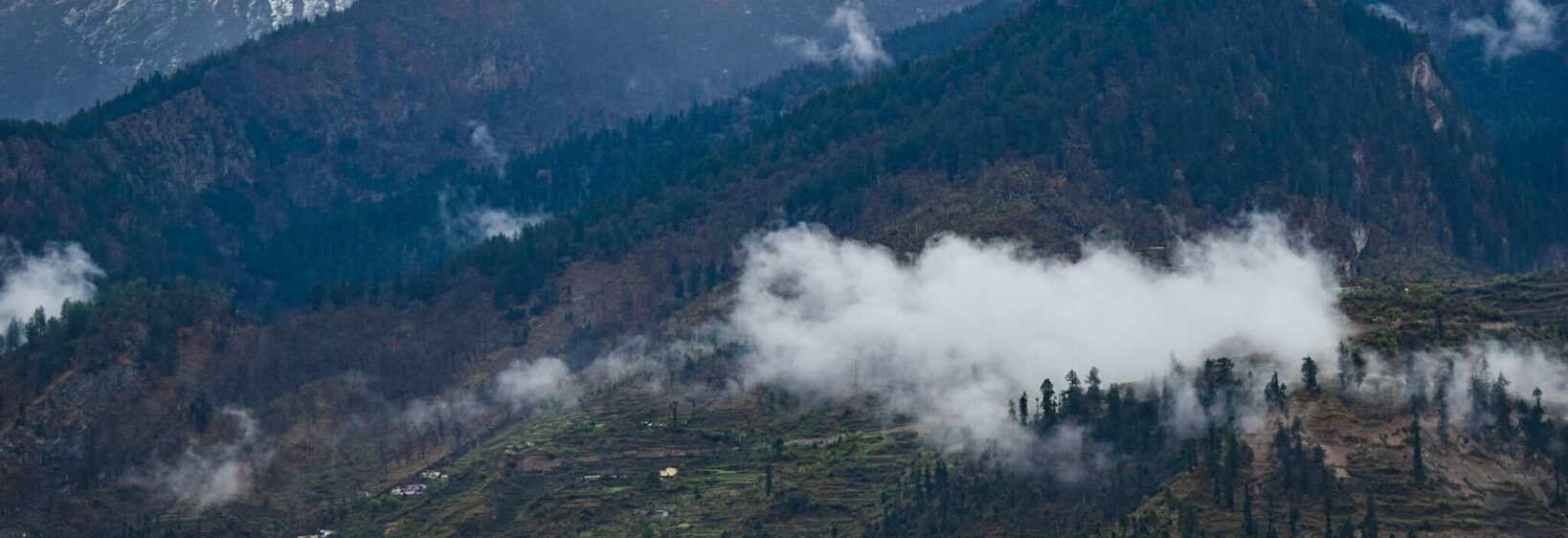
The Ralam Valley trek: remote Himalayan wilderness and waterfalls
Far northeastern Pithoragarh district holds one of the Indian Himalaya's most overlooked corners. The Ralam Valley trek threads through forests, high meadows and glacier basins along an old trading corridor once used by Bhotia merchants crossing into the Himal. It is the kind of journey that requires patience at the start, rewards patience at the end, and offers almost nothing in between that resembles a crowd.
Australians who have already clocked up familiar trails such as Tasmania's Overland Track or the Three Capes Route sometimes find themselves searching for somewhere that feels fundamentally different. The Ralam route delivers exactly that. Permits, language barriers and an absence of mobile reception keep visitor numbers low, which is the point for travellers seeking a Himalayan experience without the press of bodies found on the more popular Annapurna or Everest trails.
Reaching the foothills from across the ocean
Most travellers begin by flying into Delhi, then catching an overnight train to Kathgodam or a connecting service to Tanakpur. From there it is a long but scenic drive north through the Kumaon hills, with the road climbing past orchards, terraced fields and the occasional river crossing. Australians familiar with the Hume Highway between Sydney and Canberra will recognise the rhythm of long-distance road travel, only here the scenery changes from eucalyptus woodland to Himalayan pine within a few hours.
The trailhead at Munsiyari or, for those entering from the east, at Dharchula, sits roughly a thousand kilometres from Delhi. That distance protects the valley. Anyone who has driven across the Nullarbor Plain understands the appeal of a length-based filter, and most casual travellers quietly drop out before the trek begins. Sydney-based operators occasionally include the route as an extension to a wider Uttarakhand itinerary, and a few Melbourne climbers pair it with a technical expedition on nearby peaks.
Forests, meadows and the Ralam Glacier basin
The trail enters dense oak and rhododendron forest on the first day, with the canopy filtering light into a soft green wash. After two days of climbing, the trees thin and the path opens into the broad Bugyal meadows where Bhotia graziers bring their livestock each summer. Camp spots here are gentle, with running water nearby and views that sweep down the valley towards the Goriganga river far below.
Further up, the terrain shifts again. Rockfalls and scree slopes give way to the snout of the Ralam Glacier, and trekkers who have previously walked on Australia's high country will recognise the particular silence of glacial air, even if the peaks above them rise to well over six thousand metres. The combination of forest, meadow and ice within a single week is unusual in the Himalaya and remains a quiet highlight of the route.
Waterfalls that earn their reputation
Ralam's waterfalls are not the dramatic single-drop variety found in tropical belts. They arrive as a chain of cascades pouring down granite cliffs in threads and sheets, fed by snowmelt from the surrounding ridges. Several cross the trail directly and require careful rock-hopping or simple rope work, which adds texture to days that might otherwise feel like straightforward walking.
The most photographed falls sit along the eastern branch of the valley, where the water spreads across a wide rock face and catches afternoon sun. Photographers who have travelled here often mention Auli in the same breath, since both share that clear winter light. Those weighing up the calendar can read more about Auli ski season, which covers windows that translate well to lower-altitude treks such as Ralam.
Villages, tongpas and high-altitude culture
The valley is sparsely populated, but a handful of seasonal settlements and stone shelters, locally called tongpas, break the walk. Bhotia families who migrate here each summer still trade across the nearby passes, and conversations over chai often turn out to be the most memorable part of the day. Languages shift from Kumaoni to a Tibetan-influenced dialect as you climb, and a few words of either go a long way.
Travellers used to regulated Australian national parks will notice the informal hospitality here. There is no booking system, no entry fee at most camps, and the rules of the trail are largely customary rather than written. Australians working under strict state-based workplace safety legislation at home sometimes find this looseness refreshing, though sensible preparation and a responsible operator are still essential at this altitude.
Permits, logistics and best time to walk
An Inner Line Permit from the district administration in Pithoragarh is mandatory for the Ralam route, and it must be arranged in advance through a registered trekking agency. Indian Forest Department fees are nominal, but customs around trek insurance, gear checks and group sizes are similar to those expected for remote Australian walks such as the Australian Alps Walking Track.
The best window is May to June for spring blooms and clear mornings, then mid-September to late October after the monsoon has washed the dust from the air. Winter brings heavy snow above four thousand metres and most operators close the route altogether. For broader planning resources across the state, the UK Photos Gallery site gathers Uttarakhand travel guides, photo essays and local contact details in one place.
Wildlife, weather and the long quality of light
Birdlife along the trail is rich. The Himalayan monal pheasant, with its metallic plumage, is regularly flushed from the undergrowth, while marmots whistle from boulder fields and the occasional Himalayan tahr watches from high crags. Brown bears and snow leopards are reported by locals but rarely seen by trekkers, which only adds to the sense of a working wilderness rather than a curated one.
Weather is the variable that shapes every Ralam itinerary. Mornings usually begin clear, with clouds building against the western ridges by early afternoon and occasional thunderstorms rolling through the valley between two and five o'clock. The long, low light that follows is some of the most flattering for landscape photography in the Indian Himalaya, and one of the reasons photographers keep returning to this quiet corner of Uttarakhand year after year.