Chopta Valley Trekking and Camping in the Garhwal Himalayas
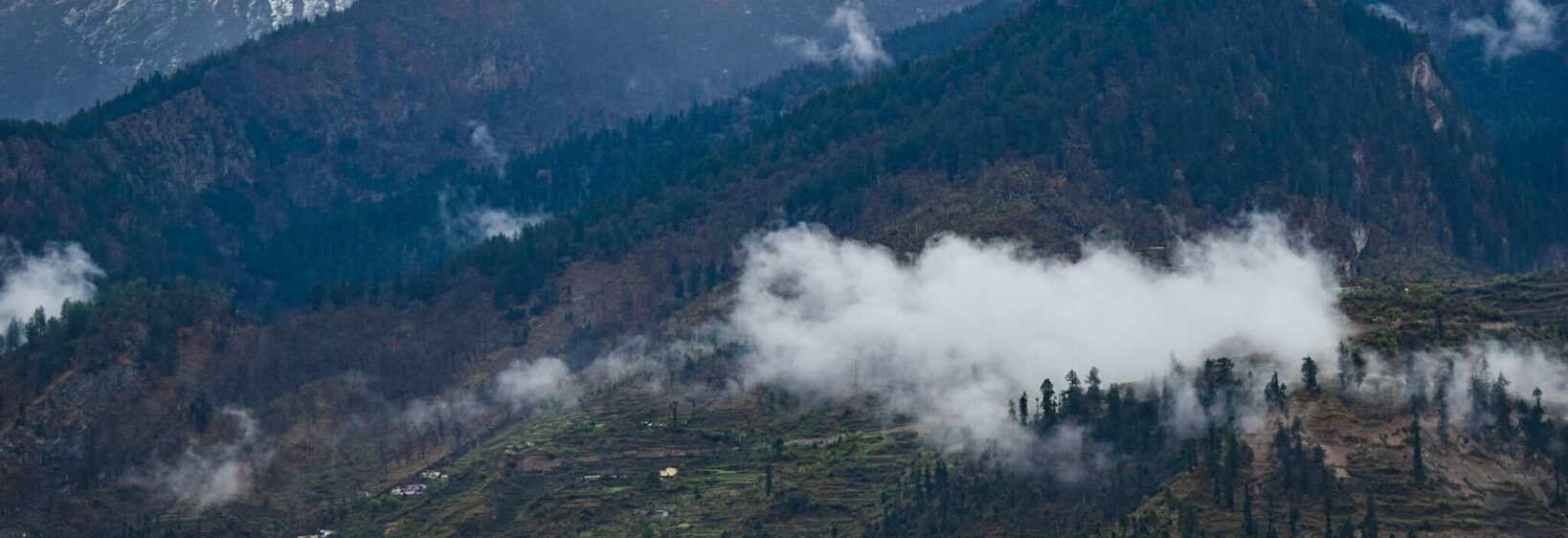
Floating above 2,900 metres in the Garhwal range, the Chopta valley earns its nickname as the Mini Switzerland of India thanks to rolling meadows, birch groves and snow-brushed ridgelines. For Australian travellers chasing a high-altitude escape that feels genuinely off the beaten path, this compact basin delivers alpine scenery without the commercial crowds of the Alps or the Andes. It sits within driving distance of both Haridwar and Rishikesh, which keeps logistics refreshingly simple compared with multi-day trans-Himalayan expeditions.
Trekkers from Sydney, Melbourne or Brisbane often arrive curious about a landscape that combines rhododendron forest with year-round snow. The valley opens up as a base camp for the Chandrashila summit, a 4,000-metre peak crowned by a small stone shrine. What makes Chopta especially attractive is the way adventure blends seamlessly with Hindu pilgrimage culture, giving a trip both physical and spiritual layers.
The camping scene here is equally compelling. Tent pitches face west toward Nanda Ghunti, and night skies light up with stars that most Australians only glimpse on outback road trips. Local operators run everything from single-night stays to week-long circuits, making Chopta accessible for travellers who want a soft adventure as well as those ready to push for altitude.
This guide covers routes, seasons, costs and culture, with practical pointers drawn from first-hand reporting across the Garhwal Himalayas. Whether you are planning a long-haul break from Perth or fitting a trek into a wider India itinerary, the valley rewards a bit of preparation.
Reaching Chopta from Down Under
Most Australian visitors fly into Delhi on routes operated by Qantas, Singapore Airlines or Air India before connecting to Haridwar, Rishikesh or Dehradun by train or short-haul flight. From there, taxis and shared jeeps wind uphill through Devprayag and Rudraprayag, a six to eight hour journey that climbs steadily through pine forest and terraced farmland. Travellers used to driving between Brisbane and Cairns will find the mountain switchbacks slower but never dull.
The road ends at a small clearing where ponies, yaks and porters wait to ferry gear into the meadows. Mobile reception is patchy beyond this point, although BSNL and Jio work intermittently on the ridge. For travellers who want photos and route notes organised before departure, the team behind UK Photos Gallery shares route maps and packing advice that pairs well with a Chopta plan.
When to Visit: Seasons that Suit Aussie Travellers
Summer, from April to June, mirrors the kind of dry, sunny conditions Australians book holidays around. Daytime temperatures hover around 15 to 20°C, nights stay cool, and meadows blaze with rhododendron blooms through May. This window is the safest pick for first-time trekkers and families travelling from the southern states during the European winter.
Autumn, September to November, brings crisp visibility and the kind of golden light photographers chase in the Blue Mountains. Winters, December through February, blanket the valley in thick snow and transform Chopta into a quiet, postcard scene. Australians accustomed to ski trips to Hotham or Thredbo will recognise the gear requirements but should note that snow here often falls as late as March, so flexible itineraries matter.
Monsoon months from July to August bring leeches and slippery trails, and most operators pause trekking services. The shoulder months on either side, particularly October and early November, remain the favourite pick for travellers who want comfortable camping without peak-season crowds.
Trekking Routes from Chopta
The headline trek is the Chopta to Chandrashila route, an eight-kilometre climb that gains roughly 1,100 metres in altitude. Most groups break the journey with a stop at Tungnath, the highest Shiva temple in the world, before pushing on to the summit ridge. From the top, the panorama sweeps across Nanda Devi, Trishul and Chaukhamba on a clear day, a view that rivals any east-coast horizon.
A gentler alternative runs south through the meadows toward Dugalbitta, a four-hour return walk that suits campers carrying day packs. Longer circuits link Chopta with Deoria Tal and Sari, adding two or three days to the trip and rewarding hikers with reflective lake scenery. Guides are compulsory for the Chandrashila section, while the lower meadow walks can be self-led with a basic trail map.
Camping in the Alpine Meadows
Camping pitches in Chopta range from basic dome tents near the roadhead to comfortable Swiss tents with attached dining areas higher up. Tents typically sleep two and include foam mattresses, sleeping bags and a small kerosene heater for winter nights. Travellers from Adelaide or Hobart used to four-season camping will find the gear well-suited to sub-zero temperatures.
Meals centre on simple North Indian fare: dal, rice, roti, seasonal vegetables and chai served twice a day. Firewood is scarce above 3,000 metres, so stoves do most of the cooking and campers should avoid relying on open flames. Most camps run a common bonfire at dusk, where Australian trekkers often swap travel stories with pilgrims walking up to Tungnath.
Culture, Pilgrimage and Local Traditions
Chopta sits on an old shepherd trail that has carried Gaddi herders up to their summer pastures for centuries. Many of the camp staff come from nearby villages and speak Garhwali, a Pahari language with its own folk songs tied to the seasons. Travellers keen to learn a few phrases will find locals warm to the effort, especially when paired with a humble greeting.
The Tungnath temple, rebuilt in the 18th century but with roots reaching back to the Pandava legend, draws pilgrims year-round. During Maha Shivaratri the entire valley fills with sadhus, drums and oil lamps, a contrast to the otherwise quiet winter atmosphere. Photography is allowed outside prayer halls, though visitors should ask before pointing lenses at worshippers.
Practical Tips for the Australian Market
Australian citizens need a valid Indian visa, easiest obtained through the e-Visa portal before departure. Travel insurance that covers high-altitude trekking above 3,500 metres is essential, and policies from providers familiar with bushwalking and mountaineering are usually accepted. Budget around AUD 80 to 120 a day for a guided trek with camping and meals, while private transfers add roughly AUD 30 per leg.
Cash in Indian rupees is useful for tips and small purchases, although most camps accept digital payments. Pack layers suited to alpine weather even in summer, and remember that the Australian bushwalking mantra of leaving no trace applies just as strictly in the Garhwal meadows.
| Trek Option | Duration | Difficulty | Best Season | Approx Cost (AUD) |
|---|---|---|---|---|
| Chopta to Chandrashila | 2 days | Moderate | Apr–Jun, Sep–Nov | 180–260 |
| Chopta to Deoria Tal | 3 days | Easy to moderate | Oct–Mar | 240–340 |
| Chopta meadows day walks | 1 day | Easy | Apr–Jun, Sep–Nov | 40–70 |
| Chopta winter snow trek | 4 days | Challenging | Dec–Feb | 320–450 |