Naukuchiatal Lake Views, Boating And Paragliding In Uttarakhand
Naukuchiatal Lake is a peaceful Kumaoni destination near Bhimtal in Uttarakhand, known for its unusual nine-cornered shape, wooded hills and clear mountain reflections. Its name means “lake of nine corners”, although the full outline is easiest to appreciate from a height rather than from the shoreline.
The lake sits at roughly 1,220 metres above sea level, making the climate pleasantly mild compared with India’s plains. Visitors come for boating, birdwatching, lakeside walks and adventure activities, while the surrounding villages offer a slower view of local life in the Kumaon region.
For travellers from Australia, Naukuchiatal works well as part of a broader Uttarakhand itinerary. It can be combined with Nainital, Bhimtal, Sattal and Ranikhet, with Delhi usually serving as the international arrival point. Allow extra time for winding roads, changing weather and busy traffic around popular hill stations.
Why The Lake Has Nine Corners
The nine-cornered appearance is partly a natural feature and partly a matter of perspective. Dense forest and the lake’s irregular shoreline hide several points when viewed from ground level. A higher viewpoint, hill road or paragliding flight gives a better sense of its distinctive geometry.
Local belief says that anyone who can see all nine corners of the lake at once may achieve nirvana. Whether treated as spiritual tradition or colourful folklore, the story adds character to a landscape already associated with quiet reflection and Kumaoni culture.
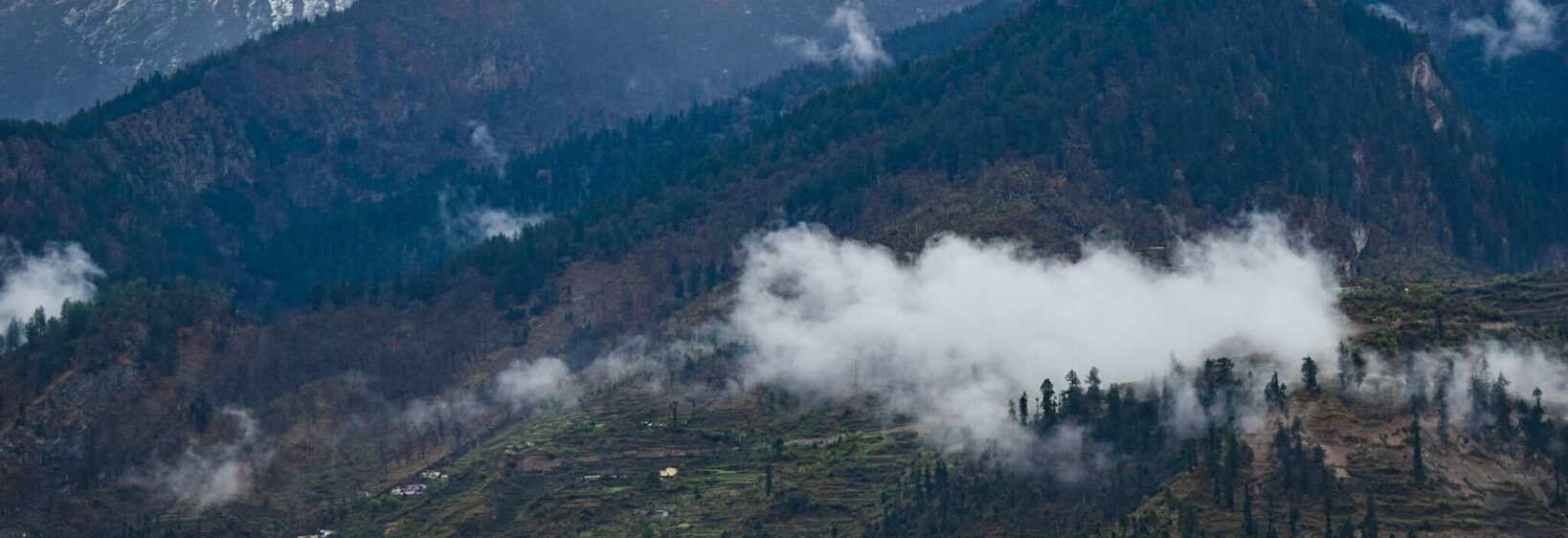
The water is surrounded by oak, pine and broadleaf vegetation, and early mornings can be especially atmospheric. Mist may rest over the surface before the sun reaches the hills, while late afternoon light brings out changing green and blue tones.
Paragliding Above Kumaon
Paragliding is the most dramatic way to view Naukuchiatal. Flights generally launch from elevated sites around the lake and nearby villages, carrying passengers above terraced slopes, forest and the broad water body. From the air, the shoreline becomes easier to read and the nine-cornered form feels more apparent.
Tandem flights are suitable for visitors without flying experience, but operators and weather conditions vary. Ask about the pilot’s credentials, insurance arrangements, equipment checks, flight duration and landing site before paying. Wind, rain and low cloud can cause last-minute cancellations, particularly during the monsoon.
Australian visitors should remember that local adventure operators follow Indian requirements rather than Australian CASA procedures. Do not treat a verbal assurance as a substitute for a safety briefing, and avoid flying when visibility is poor or wind conditions change suddenly.
Boating, Walking And Nearby Waterfalls
Boating offers a calmer way to enjoy the lake. Paddleboats, rowing boats and other local services may be available depending on the season, water conditions and lake regulations. Early morning is often quieter, while weekends and Indian public holidays can bring larger crowds from nearby cities.
The roads around Bhimtal and Naukuchiatal connect to several short walks, viewpoints and village routes. Travellers who enjoy small natural attractions can also read this guide to the Kakra Khola waterfall before planning a wider Bhimtal excursion.
Keep food wrappers, plastic bottles and disposable drink cups out of the water and forest. India’s environmental rules and local restrictions may limit access, fires, loud music or vehicle movement in sensitive areas, so follow signs and instructions from authorities.
Food, Markets And Local Customs
Small cafés and family-run eateries serve tea, simple North Indian meals, snacks and Kumaoni dishes. Menus may include aloo ke gutke, bhatt-based preparations, pakoras and seasonal vegetables. Carry some Indian rupees because small stalls and boat operators may not accept international cards, although larger hotels may offer digital payments.
Compared with Australian shopping habits, bargaining is more common in informal hill markets, but it should remain friendly and proportionate. Prices for handicrafts, woollens and taxi services are often negotiable, while fixed-price cafés and established hotels usually display clearer rates.
An Australian dollar does not function as everyday cash, and exchange rates can vary considerably between airports, banks and local exchange counters. Keep smaller rupee notes for transport, snacks, entry fees and tips, and use a bank-approved exchange service where possible.
Practical Planning For A Lake Visit
The most comfortable travel periods are generally March to June and September to November. Summer days can be warm in direct sun but remain cooler than Delhi, while winter mornings and evenings require a jumper or light insulated jacket. July and August can bring heavy rain, slippery paths, road delays and cancelled flights.
Australian passport holders should check India’s current e-Visa rules, permitted entry points and passport-validity requirements before departure. Carry travel insurance that specifically covers trekking, boating and paragliding, since ordinary policies may exclude adventure activities. Drone use also requires attention to Indian aviation rules and local no-fly restrictions; Australian drone permissions do not transfer to India.
Useful habits make the visit easier:
- Wear shoes with firm grip for uneven lake paths and village trails.
- Carry sunscreen, a refillable bottle, a light rain layer and insect repellent.
- Book paragliding through a reputable operator and confirm the full price in writing.
- Keep a small amount of Indian cash for boats, taxis, markets and roadside food.
- Check weather and road conditions before travelling from Nainital or Delhi.
- Respect temple customs, ask before photographing residents and avoid intrusive drone or camera use.