The Rudranath Temple: High-Altitude Pilgrimage with Glacial Views
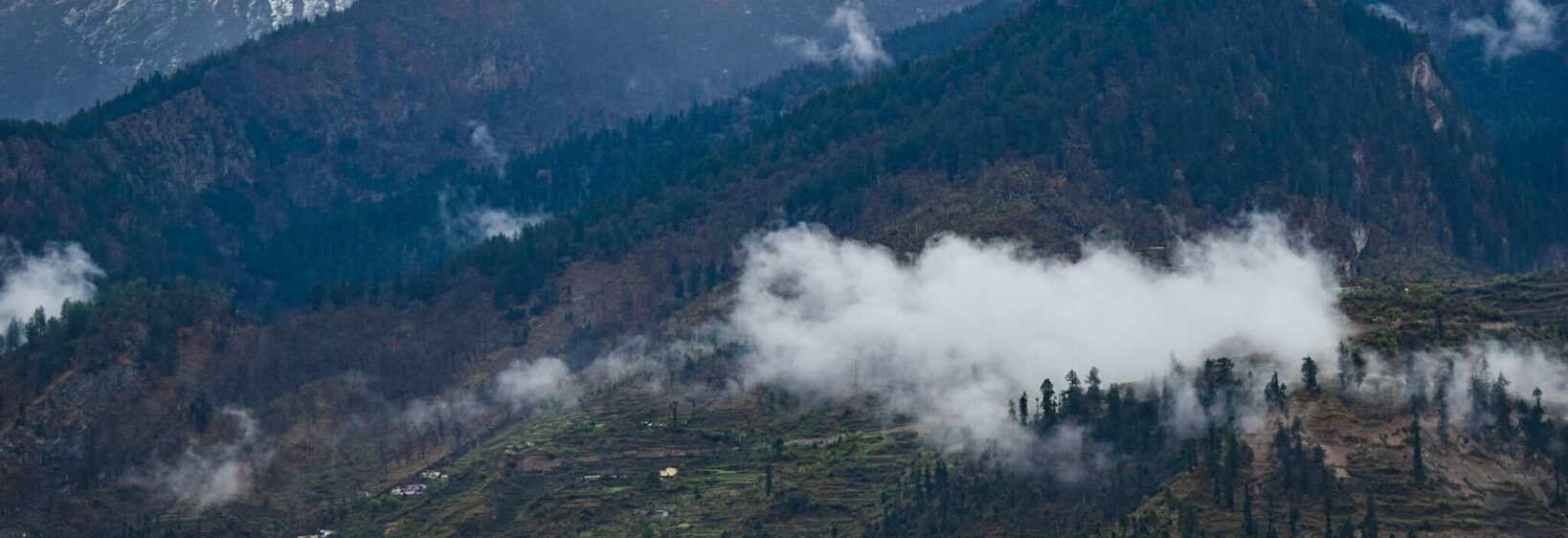
Perched at roughly 2,286 metres within the Garhwal Himalaya, the Rudranath Temple remains one of the most remote sanctuaries dedicated to Lord Shiva. Its stone shrine sits in a glacial meadow, ringed by snow-laden ridges and ancient deodar forests that seem to swallow the sound of footsteps. Travellers who reach it describe the journey as humbling, with the temple emerging from mist as a reward for days of walking.
For trekkers from Sydney or Melbourne, fitting Rudranath into a longer Indian itinerary has become a rite of passage. Many combine it with the Char Dham circuit or pair it with shorter walks in the region, like a trek to the Dodital Lake, source of the Yamuna river, before flying home. The draw is simple: glacial panoramas, sacred geography, and the kind of silence that is hard to find between the Pacific and the Indian Ocean.
The Spiritual Heart of the Himalayan Cradle
Rudranath holds a prime place among the Panch Kedar, the five sacred shrines where, according to legend, Shiva's body parts appeared after the deity fled from the Pandavas. The temple marks the face of Shiva, and its worshippers have travelled here for centuries, first as pilgrims, then as trekkers seeking a quieter route than the busier Kedarnath.
A natural rock formation serves as the central deity, with water trickling from an underground spring that locals consider eternally pure. Priests tend the shrine only during specific months, with the rest of the year left to the elements. Devotees often leave offerings of bilva leaves and hand-woven cloth before continuing their walk across the meadows.
Tracing the Path Through Alpine Meadows
The most common route begins at Sagar Village, winding through dense rhododendron and oak forests before opening into the Bugyal, the high-altitude meadows that give the trek its dreamlike quality. Most groups take four to five days to complete the circuit, with the gradient easing at the higher stretches where the air thins and the walking slows.
Camp stops at Pannar, Bedni Bugyal, and Pathar Nachauni break the journey into manageable legs. Australians used to multi-day bushwalks will recognise the rhythm: rise before first light, settle into camp well before dark to avoid the mountain chill.
The Panorama of Glacial Vistas
From the ridges around Rudranath, the eye sweeps across the Trishul, Nanda Devi, and Devistan peaks, with the Mrigthuni glacier spilling ice-blue ribbons into the valley below. Sunrise transforms the meadows into a stage, the snow catching pink light before the day warms. Few viewpoints in the Indian Himalaya combine such immediate access with such scale.
The approach from The Dhakuri Pass, a campsite with views of the Nanda Devi range, adds another photographic chapter for those willing to extend their trip. Photographers from Bondi studios and Melbourne's Brunswick workshops often plan an extra day to capture the alpine glow, since the light behaves differently at this elevation than at sea level.
Comparing the Routes to Rudranath
Trekkers have four main options for reaching the temple, each shaped by its starting village, gradient, and exposure to weather.
| Route | Starting Point | Duration | Difficulty | Best For |
|---|---|---|---|---|
| Sagar Village Trek | Sagar | 5 days | Moderate | First-time visitors |
| Gopeshwar Route | Gopeshwar | 6 days | Strenuous | Experienced trekkers |
| Helang Shortcut | Helang | 4 days | Challenging | Time-pressed pilgrims |
| Panar Link | Panar | 5 days | Moderate | Photographers |
The Sagar route remains the most walked, though the Gopeshwar variant rewards those seeking solitude. Helang serves travellers connecting from Chopta, while the Panar link suits photographers chasing specific light conditions.
Weather Windows and Pilgrim Seasons
The temple opens for roughly six months each year, from late April through early November, with May to June and September to October considered the prime windows. Outside these months, heavy snow blocks the higher paths and the shrine becomes inaccessible. Pilgrims sometimes describe the winter closure as a kind of retreat, with the mountain reclaiming the meadow.
For visitors from Australia, the timing works neatly with the southern hemisphere spring. Booking from Sydney in August for an October departure lets trekkers escape their own winter while the Garhwal valleys settle into their clearest weather. Afternoon clouds build quickly, so early starts are the rule.
Camping Beneath the Snow Line
Accommodation along the trail is limited to tents and a handful of basic village homestays at the lower elevations. Most trekkers hire porters and mules from Sagar, then settle into alpine camps where dinner is dal, rice, and whatever vegetables the mule teams carry up. Hot tea at sunset becomes the social centrepiece of each evening.
Campers should carry four-season gear, since nights regularly drop below freezing even in late spring. Australians familiar with Tasmanian alpine conditions will recognise the layering logic, though the thinner air and longer climbs add their own challenge.
Cultural Encounters and Travel from Down Under
The villages below Rudranath belong to the Garhwali community, whose dialect, folk music, and festivals remain tied to the temple calendar. Travellers often hear singing before they see the homes, with women in the fields calling out rhythmic phrases unchanged for generations. A respectful greeting in Hindi goes a long way.
Locals compare the footfall at Rudranath to that at famous shrines and prefer the balance. Backpackers catching cheap flights via Kuala Lumpur often spend an extra night to share food and listen to folk stories, often bringing small gifts that draw smiles from elders.
Reaching Rudranath means flying into Delhi from Sydney or Melbourne, then transferring to Rishikesh by overnight train or a short domestic hop. Travel agents often pair the trek with a week in Rishikesh or a stop in Singapore on the return. A modest budget of 2,500 to 4,000 Australian dollars covers flights, internal travel, permits, and a guided trek for two weeks. Australians familiar with the Australian Alps will find the altitude more demanding, but the glacial scenery and Garhwali hospitality make the effort worthwhile.