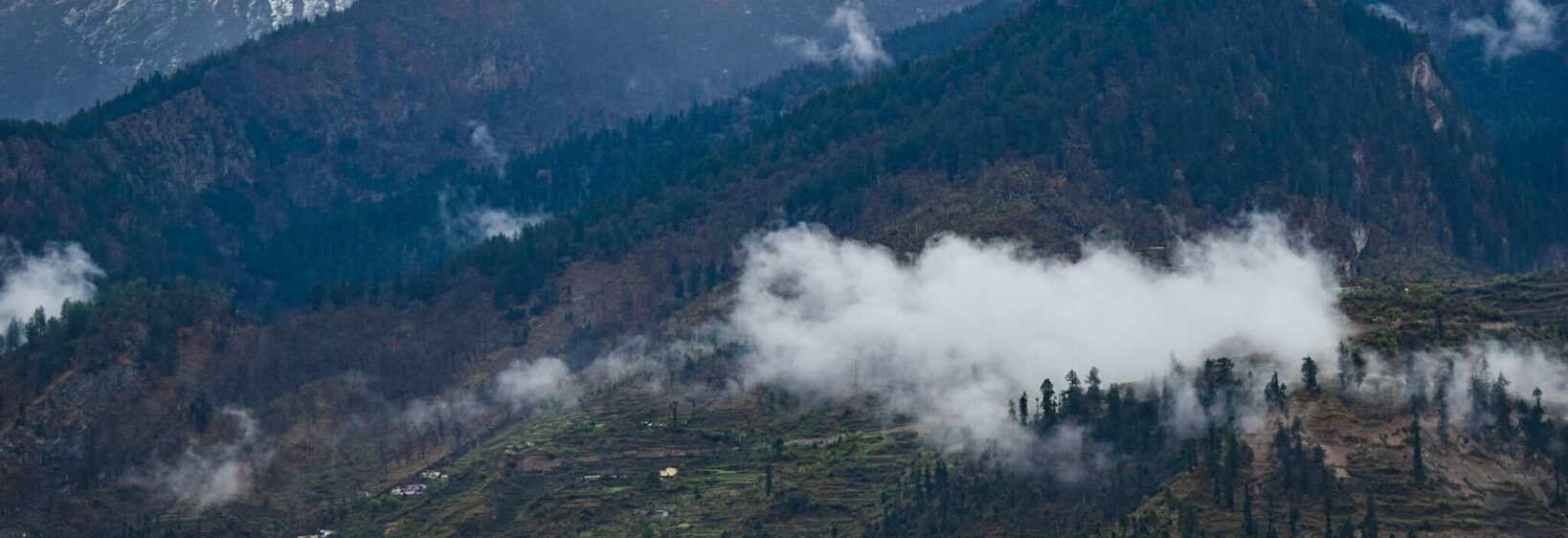
Sattal Lakes: A Quiet Canvas for Nature Photographers
Hidden among oak and pine forests near Nainital, Sattal is a chain of seven interconnected freshwater lakes in Uttarakhand. The name means “seven lakes”, and the landscape feels wonderfully unhurried: still water, forested slopes, small wooden boats and birds moving through the reeds.
For photographers, Sattal offers far more than scenic mountain views. Dawn mist, reflections, jungle textures, village life and changing light create a varied collection of images within a compact area. It is especially appealing to travellers from Australia who want a peaceful Himalayan destination beyond the busier streets of Rishikesh or Mussoorie.
The journey takes planning, but it is manageable. Travellers commonly fly from Sydney, Melbourne, Brisbane or Perth to Delhi, then continue by road or rail towards Kathgodam and Nainital. Allowing extra time for Indian traffic, weather and mountain roads will make the experience considerably more relaxed.
| Photography Feature | Best Opportunity | Practical Note |
|---|---|---|
| Lake reflections | Early morning | Calm water usually comes before local activity |
| Birdlife | Forest edges and reeds | Use a telephoto lens and keep your distance |
| Village scenes | Daytime walks | Ask before photographing people |
| Mist and atmosphere | Monsoon and winter mornings | Protect cameras from moisture |
| Golden light | Sunrise and late afternoon | Trails can be uneven after rain |
The Character Of Sattal
Sattal lies at roughly 1,370 metres above sea level, surrounded by dense forest in the Kumaon region. The lakes are linked by narrow channels and shaded paths, giving each viewpoint a slightly different mood. Some shores are open and reflective, while others are framed by overhanging branches and thick vegetation.
Local descriptions of the seven lakes can vary, with names such as Ram, Sita, Lakshman, Bharat, Garuda, Nal Damyanti and Panna commonly associated with them. Rather than treating the names as a strict photographic route, take time to explore the shorelines and ask a local guide about the stories connected with each water body.
Reaching The Lakes From Australia
The usual international gateway is Delhi. From there, a train or road transfer leads towards Kathgodam, followed by a mountain drive through Nainital district. A private car with a local driver is often more practical than relying on several separate buses, especially when carrying a tripod, camera bag and weather protection.
For Australians, the travel rhythm may feel different from a road trip through regional New South Wales or Victoria. Distances on a map can look short, but winding roads, traffic and brief stops at viewpoints make journeys longer. Build in a spare day, carry Indian rupees for smaller purchases and download offline maps before leaving Delhi or Nainital.
Light, Weather And Seasonal Colour
The clearest reflections usually appear around sunrise, before wind and boat movement disturb the surface. Winter mornings can bring pale mist and crisp visibility, while spring adds fresh foliage and a softer palette. Late afternoon produces warm light on the surrounding hills, although shadows reach the lakes early.
The monsoon season turns the forest intensely green and gives the landscape a dramatic, atmospheric quality. It also brings slippery trails, sudden showers and damp equipment. Photographers from Australia used to checking a Bureau of Meteorology forecast should also ask accommodation owners about local road conditions, as a nearby landslip can affect plans quickly.
Finding Birds And Forest Details
Sattal is well known for birdwatching, with opportunities to see Himalayan bulbul, woodpeckers, barbets, kingfishers and other forest species. A telephoto lens is more useful than approaching closely. Quiet observation near the water’s edge often produces better images than constant movement.
Small details can be just as rewarding as wildlife portraits. Look for moss-covered rocks, fallen leaves, spider webs, ripples, tree bark and the layered greens of the forest. A lightweight macro lens or close-focusing zoom will help create a visual story that balances wide lake scenes.
A Simple Field Kit
Keeping equipment light matters on narrow paths and uneven slopes. A weather-sealed camera, spare batteries and a compact tripod are useful, while a polarising filter can reduce glare and deepen foliage tones. Avoid changing lenses beside the water or in dusty roadside areas.
- Wide-angle lens for shorelines and forest panoramas
- Telephoto lens for birds and distant activity
- Microfibre cloth and rain cover for mist and showers
- Headlamp for early starts and dim paths
A phone remains useful for location notes, offline maps and quick reference images. Travellers comparing routes, viewpoints and nearby destinations can also browse the Uttarakhand photo gallery before building a wider Kumaon itinerary.
Staying Respectfully Near The Water
Accommodation around Sattal ranges from modest guesthouses and homestays to forest-oriented retreats. Facilities may be simpler than those found in a major Australian tourist town, and internet coverage can be inconsistent. Confirm whether hot water, heating, transport and meals are included before booking.
For Australian visitors, prices can appear attractive when converted from AUD, but local businesses still depend on seasonal income. Supporting family-run accommodation, hiring a local guide and buying food from small eateries helps distribute tourism revenue. Carry a reusable bottle and minimise plastic, particularly during busy holiday periods.
- Ask permission before photographing residents, workers or children
- Keep voices low near nesting areas and forest trails
- Follow boating rules and avoid feeding birds
- Take batteries, wrappers and other waste back with you
Building A Memorable Photography Day
Start beside the water before breakfast, when mist hangs between the trees and reflections are at their cleanest. Move slowly rather than trying to visit every lake quickly. A short pause can reveal a kingfisher, a changing cloud pattern or a boat gliding into the frame.
After breakfast, explore village paths and forest edges, then return for late-afternoon light. Keep one part of the day free for weather changes; Sattal’s atmosphere often becomes most expressive when clouds gather over the hills. The resulting photographs can combine grand Himalayan scenery with the intimate textures of everyday Kumaoni life.