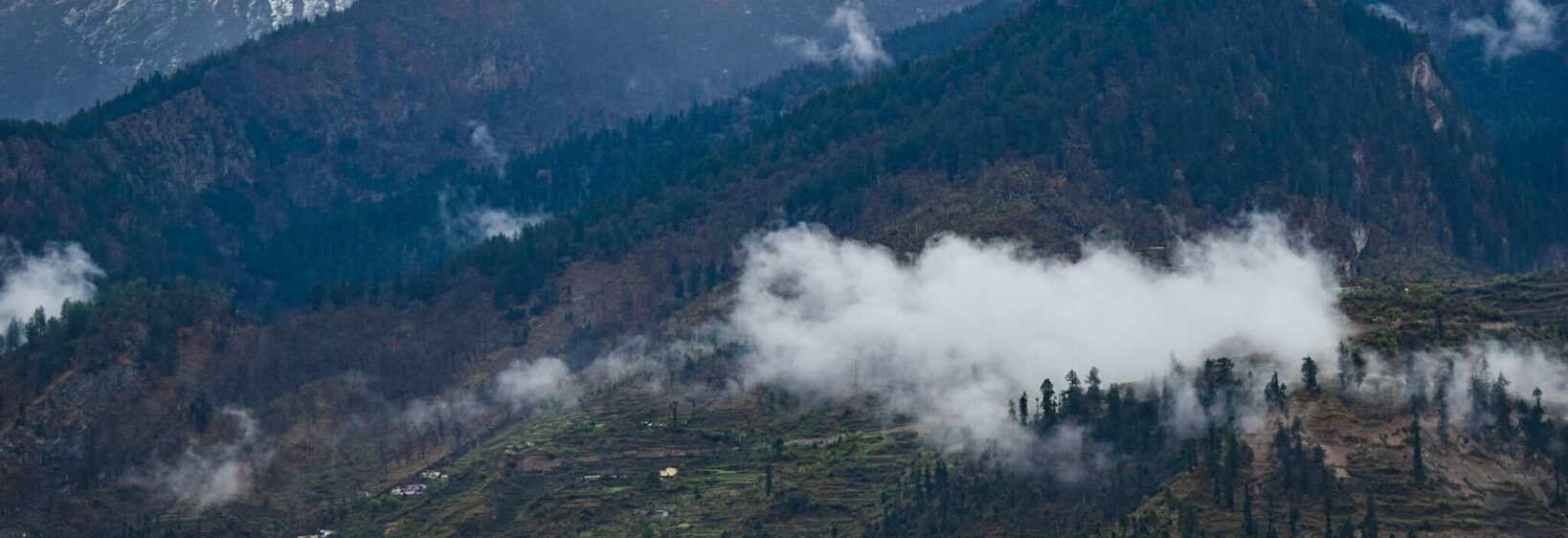
awalgarh Conservation Reserve: Birding trails and leopard sightings
Tucked into the Kumaon foothills about 25 kilometres from Corbett National Park, the Pawalgarh Conservation Reserve has quietly become one of Uttarakhand's most rewarding wildlife pockets. Unlike the busier tiger zones further south, it offers a quieter rhythm where bird calls carry across sal forest and the chance of a leopard sighting feels genuinely possible. For visitors who count birds by ear and relish a slow trail through mixed woodland, Pawalgarh now draws a loyal following well beyond India.
Travellers from Australia usually fly into Delhi with Qantas or Singapore Airlines, then pick up a pre-dawn taxi or shared jeep toward Ramnagar. From there the road winds past terrace farms and the air smells of pine once you climb past Mohan. The reserve is not signposted like a mainstream safari park, which is part of its charm and also why most visitors arrive with a guide already arranged through ukphotosgallery.com or a small homestay network.
Getting there and settling in
Most Aussie birders add Pawalgarh to a wider Uttarakhand loop that includes Nainital and Almora. From Delhi the drive to Ramnagar takes roughly six hours if you leave before the arvo traffic builds, and a small cluster of eco-lodges sits near the forest edge. Booking a buffer night in Ramnagar pays off, because the entry window starts at sunrise and the reserve gate is a bumpy 40-minute drive further on.
Australians travelling through India tend to overpack for cold, then strip layers once they realise the daytime warmth in the lower foothills. Pack decent binoculars, neutral clothing, and a wide-brimmed hat for open clearings. Local guides usually provide a packed brekkie of paratha, boiled eggs, and chai before the trail begins, which beats anything you'd grab at a servo back home.
Birding trails worth walking
The reserve spreads across roughly 58 square kilometres of sal, teak, and bamboo, threaded with footpaths that locals have used for generations. The Nihal Khaal trail cuts through dense canopy and is brilliant for woodpeckers, barbets, and the occasional dollarbird flashing turquoise in the morning light. Along the ridge paths you can tick off crested serpent eagles, grey-headed fish eagles, and, with patience, the rare chestnut-bellied nuthatch.
The birding style here is unhurried, which suits Australian twitchers used to long, silent stakeouts at places like Gluepot or the Royal Botanic Gardens in Sydney. You stop when a call catches your attention, settle into the undergrowth, and let the forest come to you. Guides carry spotting scopes and field notebooks, naming every call in Hindi, Garhwali, and often the scientific name, which is a treat for visiting list-keepers.
Tracking the elusive leopard
Pawalgarh is one of the few reserves in the region where leopard sightings are a realistic possibility. These are shy, mostly nocturnal cats, and the most common signs are pugmarks along muddy creek lines, claw marks on tree trunks, and alarm calls from langur monkeys high in the canopy. Camera-trap studies have confirmed a healthy resident population, and lodges keep informal logbooks of recent sightings that guides share openly.
For photographers from Brisbane or Adelaide, waiting for a leopard is a welcome change from chasing ferals around a mate's farm back home. Bring a fast lens, shoot in burst, and resist the urge to push closer once fresh pugmarks appear. The forest is forgiving, but the leopard is not, and guides will quietly steer you back if you drift off the marked trail.
When to visit for peak activity
The most reliable window runs from mid-November to early March, when the air is crisp, leopards are more active around waterholes, and winter migrants swell the bird list. April and May get hot and dry, visibility improves but bird activity drops by midday. The monsoon months from June to September turn the trails slippery and bring dense leeches, so most operators shut their safari programmes down entirely.
For Australians planning around school holidays, the April break lines up with the tail end of the birding season, and the September–October holidays catch the reserve just as it reopens after the rains. December is the sweet spot if you can spare the leave, pairing beautifully with a festive visit to Delhi or a week in the hills around Mussoorie.
Where to stay and hire a guide
Accommodation ranges from budget homestays in the villages of Pawalgarh and Bijrani to mid-range forest cottages that serve simple, hearty meals. Most places include a guide in the daily rate, which is highly recommended because the trails are not formally marked and local knowledge of movement patterns is worth every rupee. A typical day starts with chai at dawn, a four to five hour walk, lunch back at the lodge, and an optional evening drive along the forest edge.
Coffee snobs from Melbourne will be relieved to hear that several lodges now stock fresh filter coffee alongside masala chai, and a few have small verandah cafés overlooking the valley. Mobile signal is patchy, so download offline maps before leaving Ramnagar and tell family you'll be off the grid. Tipping the guide is customary, and around five hundred to a thousand rupees per day is appreciated.
Why it appeals to travellers from down under
A quiet kinship between Australians and Uttarakhandis surfaces in small ways, from a shared love of bush tucker to an easy laugh over strong tea. The birding overlaps nicely with familiar species; you will hear a hawk-eagle whose rolling call echoes a wedge-tailed eagle, and the forest pigeons behave with the same bolt-when-startled energy as your local bronzewings. The light is softer and more forgiving than the harsh midday glare of an Australian summer.
It also slots neatly into a longer Indian holiday that includes the Taj, Varanasi, or a Himalayan trek further north. Pair Pawalgarh with three nights in Rishikesh for a gentle contrast, or extend into the higher pilgrim towns of Rudraprayag and Joshimath for sweeping views of the Alaknanda. With planning, a fortnight is enough to cover the reserve properly and return home with a packed memory card and a head full of new calls to recognise on your next coastal walk.