Baijnath Temple: 12th-Century Stonework by the River
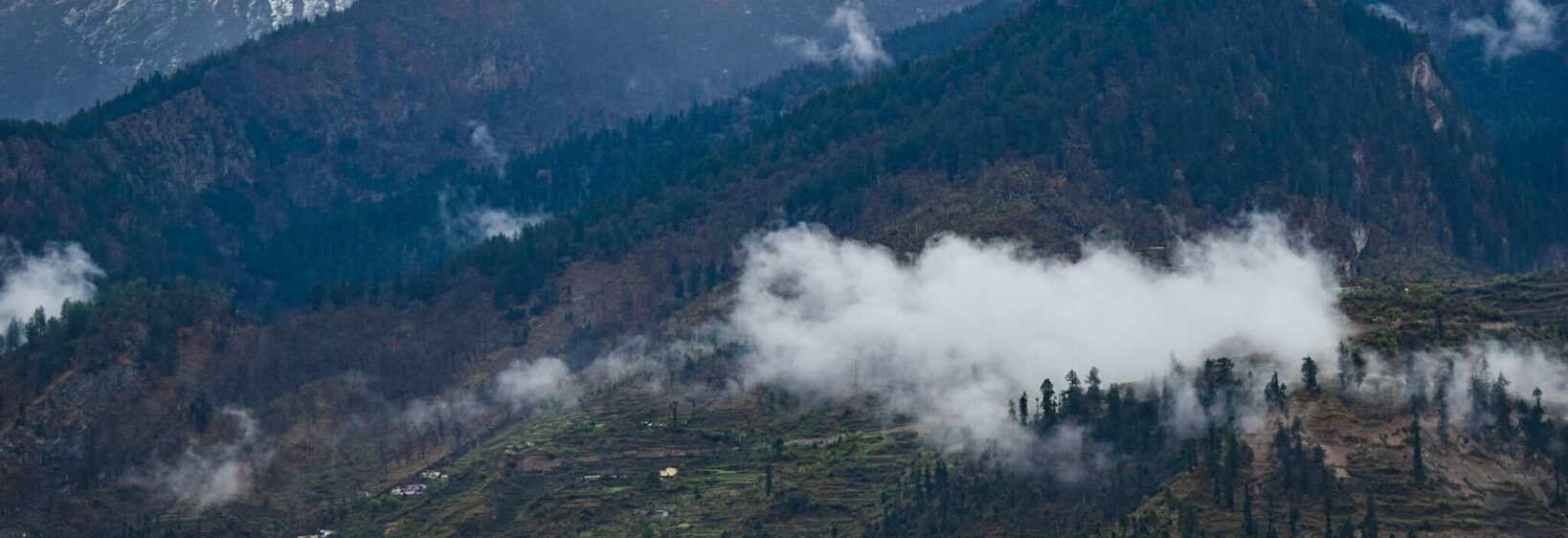
In the Kumaon region of Uttarakhand, the Baijnath Temple Complex stands beside the clear waters of the Gomti River. Its weathered stone shrines, carved figures and peaceful mountain setting offer a quieter alternative to the state’s busiest pilgrimage centres.
The complex is associated with Lord Shiva in his healing form, Vaidyanath, and is generally dated to the 12th century during the Katyuri period. Rather than feeling like a single monument, it appears as a group of sacred structures shaped by centuries of worship, restoration and changing landscapes.
Baijnath is also valued for its geographical setting. The river meeting near the temple, traditionally linked with the Gomti and Garur Ganga, gives the site a strong sense of movement and renewal. Visitors can combine the temple with a wider Kumaon journey through Bageshwar, Kausani and nearby hill villages.
For travellers from Australia, the destination rewards careful planning. A visitor leaving Sydney or Melbourne will need to allow time for mountain roads, changing weather and slower local transport. The experience is less about ticking off attractions and more about observing a living place where religion, landscape and daily life remain closely connected.
A sacred site shaped by the Katyuri era
The principal shrines are believed to have been constructed between the 11th and 13th centuries, with the complex commonly associated with the Katyuri rulers. This dynasty supported temple building across Kumaon, leaving behind a distinctive heritage of stone architecture and Shaiva worship.
Local tradition identifies the main deity as Vaidyanath, the divine physician. Devotees visit to offer flowers, water and prayers, especially during important Hindu festivals. The temple remains an active place of worship, so respectful behaviour matters more than treating the site as an archaeological display.
Stone architecture and sculptural detail
Baijnath’s design reflects the northern Indian Nagara tradition. The sanctums rise in compact, curving towers, while carved doorways and stone panels display images of deities, guardians and ornamental motifs. The craftsmanship is intimate rather than monumental, inviting visitors to examine details at close range.
A walk around the compound reveals variations in scale and decoration among the shrines. Some carvings have softened under centuries of exposure, yet their outlines still communicate the skill of the medieval artisans. Photography is appealing here, particularly in early light, but worshippers and ritual activity should not be intruded upon.
The river confluence and mountain setting
The waterway beside Baijnath is central to the atmosphere of the complex. The meeting of rivers is understood locally as a spiritually meaningful confluence, and the sound of moving water contrasts with the stillness of the stone sanctums.
The surrounding hills change character with the seasons. Spring brings fresh greenery and clearer walking conditions, while the monsoon can make roads slippery and streams fuller. Winter mornings may be cold, particularly for visitors accustomed to the milder climate of Brisbane or coastal New South Wales.
Travelling from Bageshwar and Kausani
Baijnath is located in Bageshwar district and is commonly visited as part of a route from Kausani or Bageshwar town. Road travel is scenic but slow, with bends, village traffic and occasional delays caused by weather or maintenance. A private car with a local driver can make the journey more comfortable than relying on infrequent connections.
The complex is suited to a half-day visit, leaving time to explore nearby markets and viewpoints. Travellers using Uttarakhand travel resources can also compare ideas for combining Baijnath with Ranikhet, Bageshwar or a longer Kumaon itinerary.
Customs, festivals and respectful visits
Visitors should dress modestly and remove footwear before entering areas where this is requested. Some inner sanctums may have restrictions on photography or access. During festival periods, the temple can become crowded, with bells, offerings and community gatherings creating a very different experience from a quiet weekday visit.
Maha Shivratri is especially significant, while local fairs may bring temporary stalls selling snacks, flowers, religious items and handmade goods. The atmosphere is participatory rather than staged for tourists, so patience and observation are valuable.
Practical planning for Australian travellers
The nearest larger transport connections are reached through Kumaon’s road network, and the final approach is usually by road rather than rail. Carry small Indian-rupee notes for offerings, local tea stalls and market purchases, as card facilities may be limited outside established hotels. Australian dollars cannot generally be used directly in village shops.
Allow extra time for altitude adjustment, hydration and rest, even though Baijnath is lower than many Himalayan trekking destinations. A lightweight rain jacket, sun protection and sturdy walking shoes are useful across seasons. Visitors travelling during Australian school holidays should reserve accommodation early in popular nearby bases such as Kausani, while those seeking quieter conditions may prefer the shoulder months.