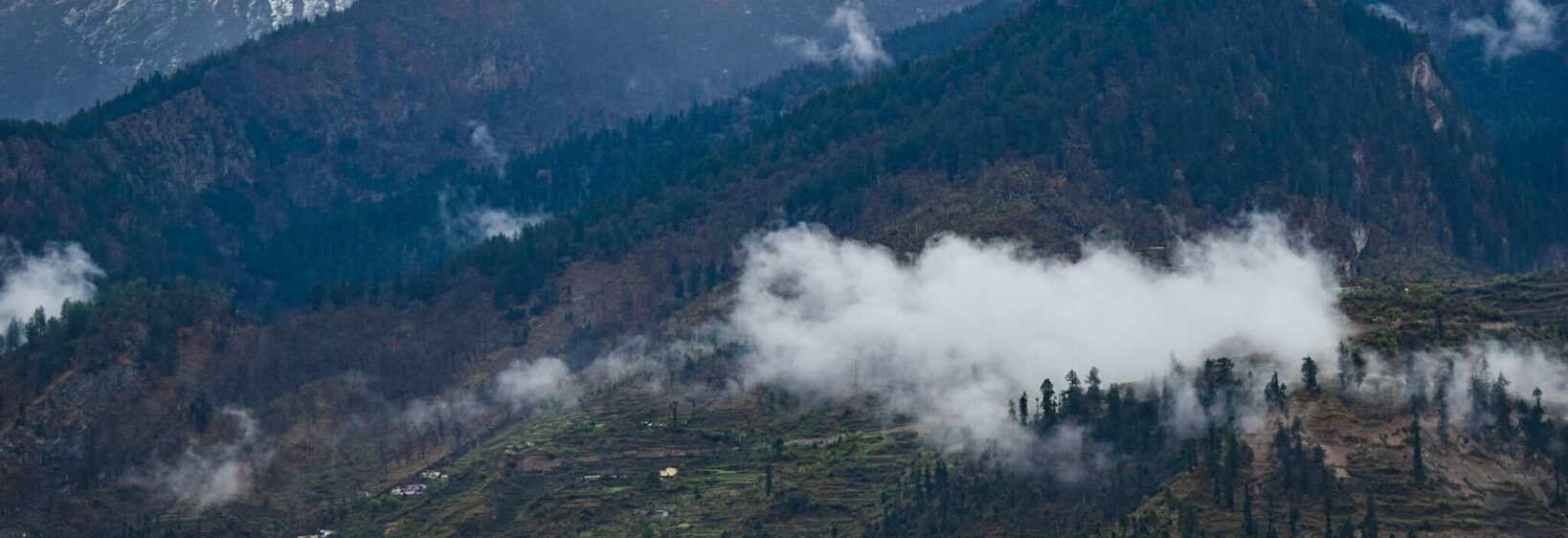
Planning a Memorable Jim Corbett Safari
Jim Corbett National Park is one of India’s finest places to experience Himalayan foothill wildlife. Spread across forests, grasslands, rivers, and sal-covered hills, the park offers a chance to see Bengal tigers, elephants, leopards, deer, birds, and many smaller species in their natural surroundings.
A successful safari depends on timing, zone selection, permits, and patience. Wildlife sightings are never guaranteed, but careful planning improves the experience and leaves more time to appreciate Corbett’s landscapes, forest sounds, and changing light.
Choosing The Best Time To Visit
The main safari season generally runs from mid-November to June, although opening dates vary by zone and local forest regulations. Winter brings cool mornings, clear skies, and pleasant daytime conditions. Animals may be active near water sources and open areas, while migratory birds add colour to the landscape.
March to May is warmer, but the thinner vegetation and increased animal movement around water can make wildlife easier to spot. June can be hot, yet early-morning drives remain rewarding. The monsoon closes several forest routes because of rain, slippery tracks, and river levels, though some buffer areas may operate for longer periods.
Understanding Safari Zones
Corbett is divided into several tourism zones, each with a different character. Dhikala is famous for expansive grasslands, forest views, and opportunities to stay inside the park. Bijrani is known for sal forests and varied terrain, while Jhirna often remains accessible for a longer part of the year.
Durgadevi, Dhela, and Sitabani provide additional options, with quieter routes and distinctive scenery. A permit for one zone usually does not allow entry into another, so check the location of your gate before booking accommodation. The distance between a resort and the entry point can affect your departure time considerably.
Permits, Vehicles, And Safari Timings
Visitors can usually choose between a jeep safari and a canter safari. Jeeps offer a smaller group and a more flexible viewing experience, while canters accommodate more people and can suit families or travellers seeking a lower-cost option. Both follow fixed routes and forest rules.
Permits require identification details and should be arranged through official channels or a reputable, authorised travel operator. Morning and afternoon drives are scheduled according to the season. Arrive at the gate early with your original identification document, booking details, and suitable clothing, since entry checks can take time.
| Safari Detail | What Travellers Should Know |
|---|---|
| Jeep safari | Smaller group, more personal space, advance booking recommended |
| Canter safari | Larger shared vehicle, useful for families and budget-conscious visitors |
| Morning drive | Cooler weather and active forest conditions |
| Afternoon drive | Softer light and a different chance of animal movement |
| Dhikala stay | Allows easier access to the central forest landscape |
| Buffer zones | May offer quieter routes and seasonal availability |
Wildlife Etiquette And Photography
A safari is an observation experience rather than a chase. Keep voices low, never ask the driver to leave the track, and avoid sudden movements when an animal appears. Do not feed wildlife, play music, or use flash photography. These rules protect animals and help preserve the atmosphere for everyone.
A telephoto lens is useful, but equipment should never distract from the sighting itself. Keep binoculars ready, listen for alarm calls, and watch the behaviour of deer, langurs, and birds. Their reactions can sometimes indicate the presence of a predator before it becomes visible.
What To Pack For The Forest
Wear neutral-coloured layers rather than bright clothing. Mornings can be cold in winter, while summer afternoons require breathable fabrics, sunglasses, sunscreen, and a hat. Closed shoes, insect repellent, a reusable water bottle, and a small amount of personal medication are practical additions.
Carry a phone or camera with adequate storage and battery power, but keep devices silent. A field guide or wildlife identification app can make quiet periods more engaging. Travellers combining Corbett with a longer Uttarakhand journey may also find useful packing ideas in this guide to Valley of Flowers trekking, although high-altitude treks require very different clothing and equipment.
Staying Near Jim Corbett
Resorts and lodges are available around Ramnagar, the principal gateway to the park. Staying near the selected gate reduces early-morning travel and provides access to restaurants, transport, and local guides. Riverside properties can be attractive, but guests should follow all safety instructions and avoid approaching wild animals outside designated areas.
Plan at least two or three safaris if wildlife viewing is a major priority. Each drive covers different routes and conditions, so repeated outings increase the chance of seeing varied habitats and species. Corbett can also form part of a broader Uttarakhand itinerary, with Rudraprayag’s river confluence offering a striking cultural and scenic stop farther in the hills.
Practical Choices For A Better Trip
A little preparation makes the safari more comfortable and protects the quality of the experience.
- Book permits and accommodation early for winter weekends, school holidays, and spring.
- Select a safari gate that is close to your lodge and matches your preferred landscape.
- Carry identification, warm layers, sun protection, water, and a charged camera.
- Choose an authorised guide or operator with clear information about vehicles and timings.
- Leave space in the itinerary for delays, rest, and an unhurried forest experience.
Corbett rewards travellers who arrive with realistic expectations. A tiger sighting may become the highlight, but elephant herds, colourful kingfishers, barking deer, river views, and the quiet rhythm of the forest are equally memorable. Arrange your permits, choose your zone carefully, and set out with respect for this remarkable corner of Uttarakhand.