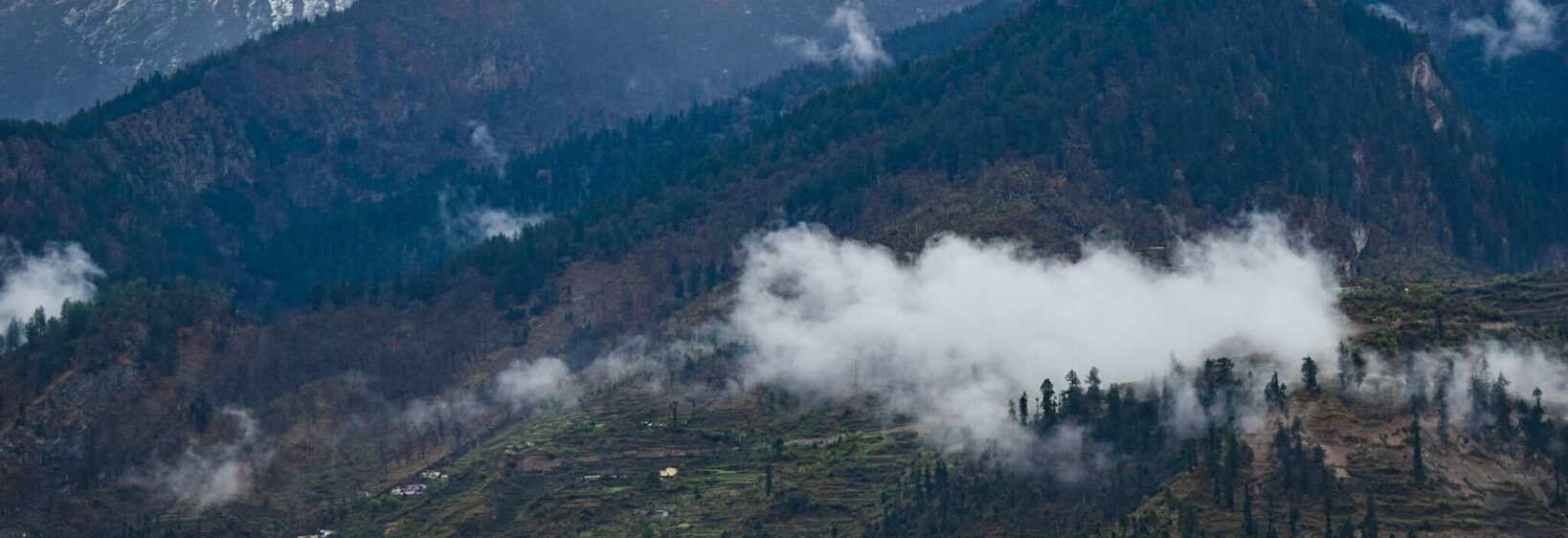
Chamba Valley Through a Photographer’s Lens
The Chamba Valley in Tehri Garhwal offers a quieter alternative to Uttarakhand’s crowded hill stations. Its forested ridges, terraced farms, village paths, and wide Himalayan horizons create a varied setting for landscape, travel, and cultural photography.
Located between the higher Garhwal hills and the broad waters of Tehri Lake, the valley changes character with the light. Morning mist softens the pine forests, afternoon reveals layers of ridges, and sunset brings warm colour to village rooftops and distant peaks. For route ideas and visual travel inspiration, explore Uttarakhand travel stories before planning your field trip.
Chamba Town And Its Mountain Views
Chamba is a practical base for photographers who want access to several landscapes without changing accommodation every day. The town sits along a ridge, giving photographers elevated views across forested slopes, agricultural terraces, and scattered settlements. Early morning is especially rewarding when low cloud gathers in the valleys below.
The nearby roads and footpaths are equally valuable for visual storytelling. A telephoto lens can compress layers of hills, while a wide-angle lens captures the relationship between homes, fields, and the surrounding mountains. Look for ordinary details such as slate roofs, wooden balconies, roadside shrines, and women carrying baskets from the fields.
Kanatal’s Forests And Open Ridges
Kanatal lies within easy reach of Chamba and is known for quiet cedar and pine forests. Tall trunks create strong vertical compositions, while filtered sunlight produces gentle patterns on the forest floor. The area is well suited to atmospheric images, especially during autumn, winter, and the monsoon season.
Open ridgelines around Kanatal provide a different perspective. Camping areas, meadow edges, and winding mountain roads can become leading lines through a landscape frame. On clear days, distant Himalayan peaks may appear beyond the closer ridges, although photographers should allow time for changing weather rather than relying on a single viewpoint.
Dhanaulti And Surkanda Devi
Dhanaulti combines deodar woodland with viewpoints over the Garhwal landscape. Its quiet trails are useful for detail photography: moss-covered stones, pine cones, bark textures, and shafts of light through the trees. A macro lens or a short telephoto can reveal a more intimate side of the valley.
The Surkanda Devi route adds a cultural and pilgrimage dimension to a photography itinerary. Temple courtyards, prayer flags, mountain paths, and the movement of pilgrims offer opportunities for respectful documentary images. Ask permission before photographing people during worship, and avoid blocking narrow trails or temple entrances.
| Location | Strongest Subjects | Best Light | Useful Approach |
|---|---|---|---|
| Chamba town | Terraces, villages, ridges | Sunrise and late afternoon | Wide-angle and telephoto |
| Kanatal | Cedar forests, roads, campsites | Filtered morning light | Look for layers and leading lines |
| Dhanaulti | Woodland details, mist | Early morning | Macro and short telephoto |
| Surkanda Devi | Pilgrimage, flags, trails | Morning and soft overcast | Photograph respectfully |
| Tehri Lake | Reflections, boats, shorelines | Sunrise and sunset | Use polarising and graduated filters |
Tehri Lake And New Tehri
Tehri Lake introduces a broad, reflective element to a valley otherwise dominated by steep terrain. Calm water can mirror the surrounding hills at dawn, while boats and shoreline settlements provide scale. The lake is also a useful place to experiment with minimal compositions, negative space, and reflections.
New Tehri offers urban viewpoints, winding roads, and elevated perspectives over the reservoir. The changing waterline creates different foregrounds throughout the year. Photographers should check local access rules for boating areas and avoid treating active transport or fishing zones as informal photo sets.
Village Life And Local Flavours
The most memorable images often come from observing daily life rather than searching for dramatic viewpoints. Terraced cultivation, cattle sheds, traditional grain storage, local fairs, and seasonal festivals can reveal the rhythm of the Chamba region. A small camera and a patient approach usually work better than intrusive equipment.
Food photography can add context to a visual journey through the hills. Dishes such as kafuli, aloo ke gutke, bhatt ki churkani, and singal reflect local ingredients and traditions; a Pahari food guide can help connect photographs of markets and kitchens with the wider culinary culture of Uttarakhand.
Practical Planning For A Photo Trip
Road conditions, weather, and seasonal light should shape the itinerary. Monsoon brings vivid greenery and mist but can cause slippery paths and delays. Winter offers clearer air and subdued colours, while spring brings fresh foliage and occasional blooms. Carry layers, waterproof protection, spare batteries, and a headlamp for early starts.
Useful habits for a responsible photography trip include:
- Start before sunrise for empty roads, soft light, and clear foregrounds.
- Carry a lightweight tripod for lake reflections and low-light forest scenes.
- Ask permission before photographing residents, homes, rituals, or private land.
- Keep to marked trails and avoid trampling crops or fragile mountain vegetation.
- Support local homestays, guides, cafés, and transport providers where possible.
A few unhurried days can produce a stronger collection than a rushed checklist of viewpoints. Follow the light, spend time in one village or forest patch, and let the valley’s quieter details shape the story.
Pack your camera with weather protection, choose a flexible route through Chamba, Kanatal, Dhanaulti, and Tehri, and record the landscapes and communities with care. Your photographs can become a thoughtful visual portrait of Uttarakhand’s lesser-explored mountain country.