Photographing Snow Leopards In The Nanda Devi Biosphere
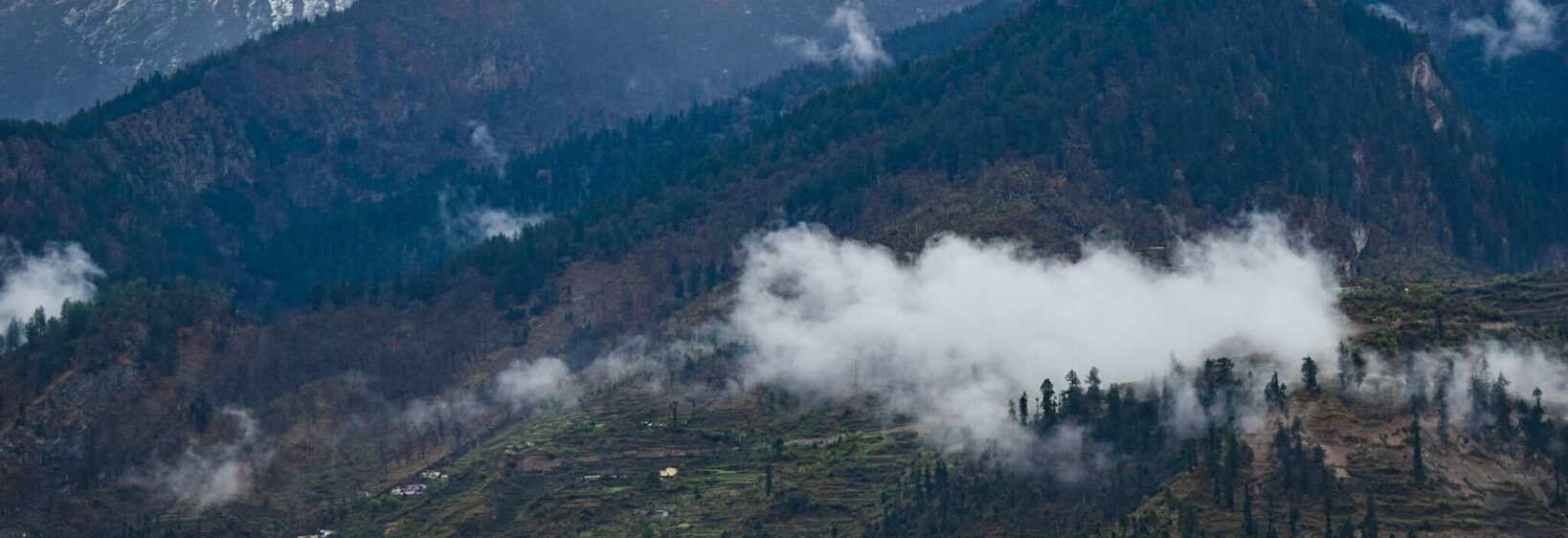
High in Uttarakhand’s Garhwal Himalaya, the snow leopard moves through a world of cliffs, scree slopes, alpine meadows, and winter silence. Photographing this elusive mountain cat in the Nanda Devi Biosphere Reserve is less about securing a dramatic frame and more about understanding altitude, weather, habitat, and patient observation.
The reserve forms part of a remarkable high-altitude ecosystem surrounding Nanda Devi and the Valley of Flowers. It is also a protected landscape where wildlife photography must follow local regulations and respect the rhythms of wild animals. Careful preparation can make the experience safer, more rewarding, and more meaningful.
For wider inspiration on Uttarakhand’s landscapes, culture, and travel routes, explore the Uttarakhand photo gallery before planning a Himalayan wildlife journey.
Understanding The Snow Leopard Habitat
Snow leopards generally occupy rugged terrain above the tree line, although their movements can vary with season and prey availability. In the Nanda Devi region, photographers may encounter suitable habitat across rocky ridges, remote valleys, and slopes where Himalayan blue sheep, marmots, and other prey species are found.
The animal’s grey-white coat blends almost perfectly with granite, snow, and weathered rock. A small movement on a distant ridge may be the only clue. Learning to scan the landscape slowly, looking for a tail, a shadow, or an unusual pattern among stones, is often more valuable than relying on speed or expensive equipment.
Planning Around Seasons And Access
Winter can bring snow leopards lower down the mountains as they follow prey, making some sightings more likely in accessible valleys. However, heavy snowfall, closed trails, icy paths, and severe cold can make travel difficult. Spring and autumn offer changing light and clearer trekking conditions, while summer may provide greener lower slopes but fewer predictable opportunities.
Access to protected areas requires advance planning. Travel with authorised local guides, check permissions with the relevant forest authorities, and confirm whether a route is open. Nanda Devi’s inner sanctuary has strict access controls, and nearby buffer zones or recognised wildlife destinations may provide more practical alternatives for responsible observation.
Equipment For Distant Wildlife
A long telephoto lens is essential because snow leopards should be photographed from a respectful distance. A 400mm or 600mm lens, or a quality telephoto zoom, can help fill the frame without encouraging photographers to approach the animal. A sturdy monopod may be more practical than a tripod on narrow mountain trails.
| Photography Need | Useful Choice | Field Benefit |
|---|---|---|
| Distant subject | 400–600mm telephoto lens | Detailed images without close approach |
| Low light | Camera with strong high-ISO performance | Faster shutter speeds at dawn and dusk |
| Snow and rock scenes | Polarising filter used carefully | Controls glare and strengthens contrast |
| Long outings | Spare batteries and memory cards | Reduces disruption in remote areas |
| Cold protection | Weather-sealed bag and dry covers | Protects equipment from snow and condensation |
Batteries drain quickly in freezing conditions, so carry spares inside an insulated pocket. Allow cold equipment to warm gradually inside a sealed bag when returning indoors; this reduces condensation on lenses and camera bodies.
Patience, Light, And Composition
Early morning and late afternoon usually provide softer light and longer shadows across the mountains. These conditions can reveal the animal’s outline against a ridge while preserving texture in snow and stone. Midday light may look harsh, but it can still be useful when a leopard crosses a bright slope or turns its face toward the sun.
A good image does not always need a close portrait. Environmental photographs showing the animal within its vast habitat can communicate its rarity and strength more effectively. Use ridgelines, leading slopes, and negative space to show scale, while keeping the subject recognisable and avoiding excessive cropping that reduces image quality.
Ethical Wildlife Photography
Never use bait, playback calls, drones, or artificial light to attract a snow leopard. These methods can alter natural behaviour, expose an animal to stress, or disturb hunting and resting patterns. Loud conversation and sudden movement can also cause a distant animal to disappear before others have seen it.
Stay with your guide’s instructions, remain on permitted routes, and keep groups small where possible. Do not surround an animal or block its escape path. If the leopard looks directly at the group, changes direction, or becomes visibly alert, increase distance and allow it to move freely.
Building A Responsible Field Experience
The best expedition combines wildlife knowledge with realistic expectations. Sightings are never guaranteed, and a day spent observing blue sheep, Himalayan monals, lammergeiers, or changing mountain weather can still become a valuable photographic experience. Keep a field notebook with dates, altitude, habitat, weather, and behaviour rather than focusing only on successful shots.
These practices can help create a safer and more respectful outing:
- Hire a licensed local guide familiar with protected-area rules and wildlife signs.
- Carry layered clothing, sun protection, water, emergency supplies, and suitable trekking footwear.
- Keep camera settings ready for sudden movement, including a fast shutter speed and continuous autofocus.
- Photograph from established viewpoints and never pursue an animal for a closer frame.
- Share sensitive location details carefully to discourage uncontrolled wildlife tourism.
A snow leopard encounter may last only a few seconds, yet the preparation behind it can shape the entire journey. Take time to learn the landscape, support responsible local operators, and photograph the high Himalaya with restraint. Begin planning your Nanda Devi region adventure with the right permits, a knowledgeable guide, and a camera prepared for patience rather than pursuit.