Ghati Village in Pithoragarh: Homes, Farms and Kumaoni Life
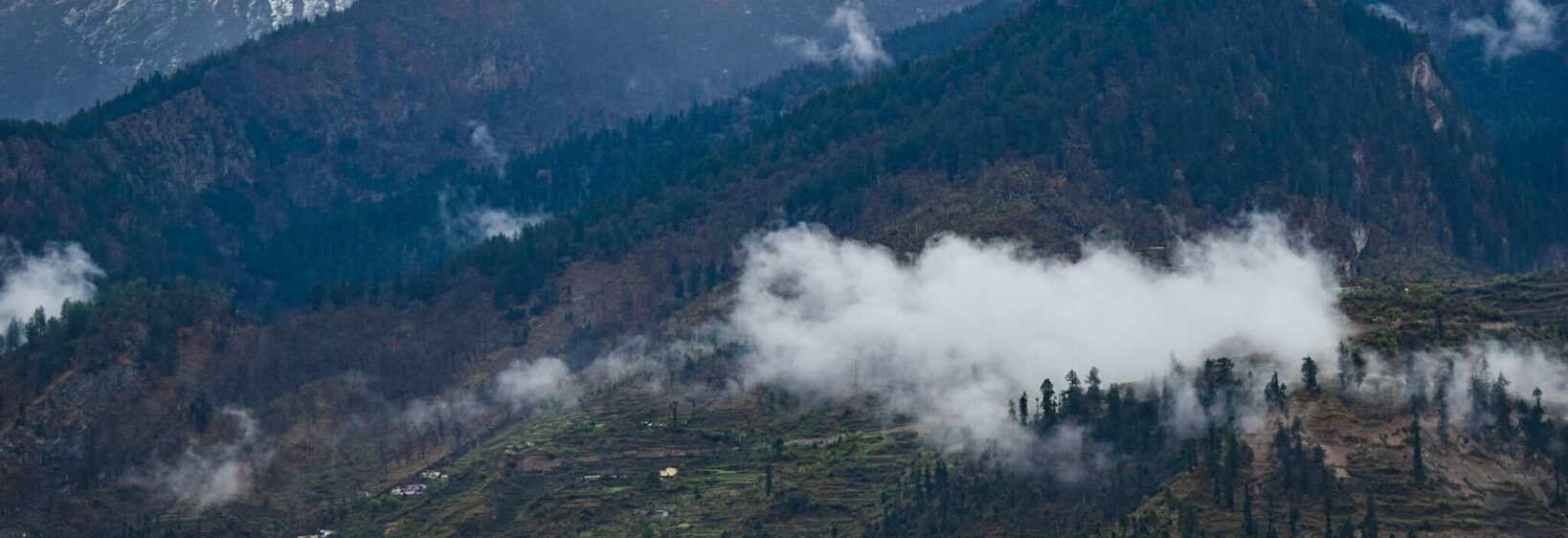
Ghati Village in Pithoragarh offers a quieter view of Uttarakhand, away from the busy pilgrimage routes and crowded hill stations. Its landscape is shaped by traditional wooden houses, stone walls, sloping roofs and terraced fields that follow the contours of the middle Himalayas. The village is best experienced slowly, with time to notice household details, mountain light and the rhythm of farm work.
For Australian travellers, the setting may feel different from a bushwalking destination near Melbourne or a rural town outside Canberra, yet the appeal is familiar: clean mountain air, local food, walking trails and strong community connections. Ghati is a place for cultural travel, landscape photography and respectful encounters with everyday Kumaoni life.
A mountain village shaped by its landscape
Pithoragarh district lies in eastern Uttarakhand, close to the Nepal border and surrounded by forested ridges. Villages such as Ghati are built in response to steep slopes, seasonal weather and limited flat land. Homes, footpaths and cultivated plots fit into a landscape where every level surface has practical value.
The surrounding scenery changes with the season. Spring brings fresh greenery and flowering trees, monsoon clouds soften the ridgelines, and autumn often provides clearer views. Winter can be crisp and dry, with cold mornings in shaded areas. Travellers should expect mountain roads, uneven paths and a slower pace than in Rishikesh or Mussoorie.
Traditional wooden homes and stone craft
The older houses reflect local building knowledge developed over generations. Timber is used for doors, balconies, beams and interior details, while stone and mud or masonry provide strong walls. Sloping roofs help shed rain and occasional snow, and compact layouts protect rooms from cold mountain winds.
Carved window frames, wooden brackets and shaded verandas can reveal the skill of Kumaoni artisans. Many homes combine older features with newer concrete additions, reflecting changing household needs and access to modern materials. These buildings are lived-in spaces, so visitors should photograph them from public paths and ask permission before capturing private courtyards or residents.
Terraced farms and seasonal work
The fields around Ghati are arranged in narrow terraces held in place by stone retaining walls. This farming system reduces soil erosion and creates usable plots on steep slopes. Depending on altitude, season and household choices, villagers may grow millet, wheat, pulses, vegetables and other crops suited to the local climate.
Terraced agriculture is closely linked to family routines. Sowing, weeding, harvesting and storing grain require careful timing, while livestock can support household income and provide manure for the fields. Unlike a weekend farmers’ market in Brisbane or Adelaide, these terraces are part of a complete subsistence and livelihood system rather than a scenic backdrop.
Kumaoni culture in daily life
The village landscape is also a cultural landscape. Kumaoni is widely spoken across the region, alongside Hindi, and local songs, food traditions, festivals and religious practices remain important parts of community identity. Visitors may notice distinctive stone shrines, household prayer spaces and seasonal rituals connected with village life.
Food is often simple, fresh and filling, using grains, lentils, leafy vegetables and locally available produce. A respectful guest should accept hospitality modestly, avoid wasting food and dress suitably when visiting a temple or family home. Australians accustomed to casual greetings and direct conversation may find that a little patience and a softer approach helps build trust.
Walking routes and photography opportunities
Ghati is suited to gentle village walks rather than a tightly scheduled sightseeing circuit. Paths may pass terraced fields, cattle sheds, pine or broadleaf forest, small shrines and viewpoints over folded ridges. The experience is strongest early in the day, when farm activity begins and haze is often lighter.
Photography works especially well when focused on textures and relationships: timber grain, stacked firewood, stone walls, seed storage, field patterns and changing shadows. A telephoto lens can help preserve privacy. Ask before photographing people, children, religious ceremonies or interiors, just as you would observe local customs when photographing a community event in Sydney or a regional Aboriginal cultural site.
Getting there and travelling responsibly
Pithoragarh is connected to other Uttarakhand destinations by mountain roads, but journeys can take longer than distances on a map suggest. Travellers usually combine a village visit with a broader Kumaon itinerary that may include Almora, Binsar, Munsiyari or other settlements. A local driver or knowledgeable guide is valuable for road conditions, walking access and language support.
Carry cash, refillable water, sun protection, sturdy shoes and warm layers. Mobile coverage may be inconsistent, and small villages may have limited supplies. Avoid plastic waste, keep to established paths, do not disturb crops or livestock, and choose locally owned accommodation and transport where possible. These choices help ensure that tourism adds value without changing the village character.
A thoughtful stop in a Kumaon itinerary
A visit to Ghati can be paired with heritage walks, forest excursions, temple visits and regional food experiences. Travellers interested in local hospitality may also explore the wider collection of destinations and visual stories on the UK Photos Gallery, which covers Uttarakhand’s landscapes, culture and attractions.
After a day among farms and mountain homes, visitors may enjoy learning about modern food culture in the hills as well. The Kumaon region’s changing tourism scene includes small hospitality ventures and craft drinks, with local craft beer offering a different perspective on contemporary mountain travel.
Ghati is memorable because its beauty is inseparable from local work. The terraces are cultivated, the houses are maintained, and the paths connect real homes rather than staged attractions. Travelling with care allows visitors to appreciate the village as a living part of Pithoragarh, where architecture, agriculture and Kumaoni identity continue to evolve together.