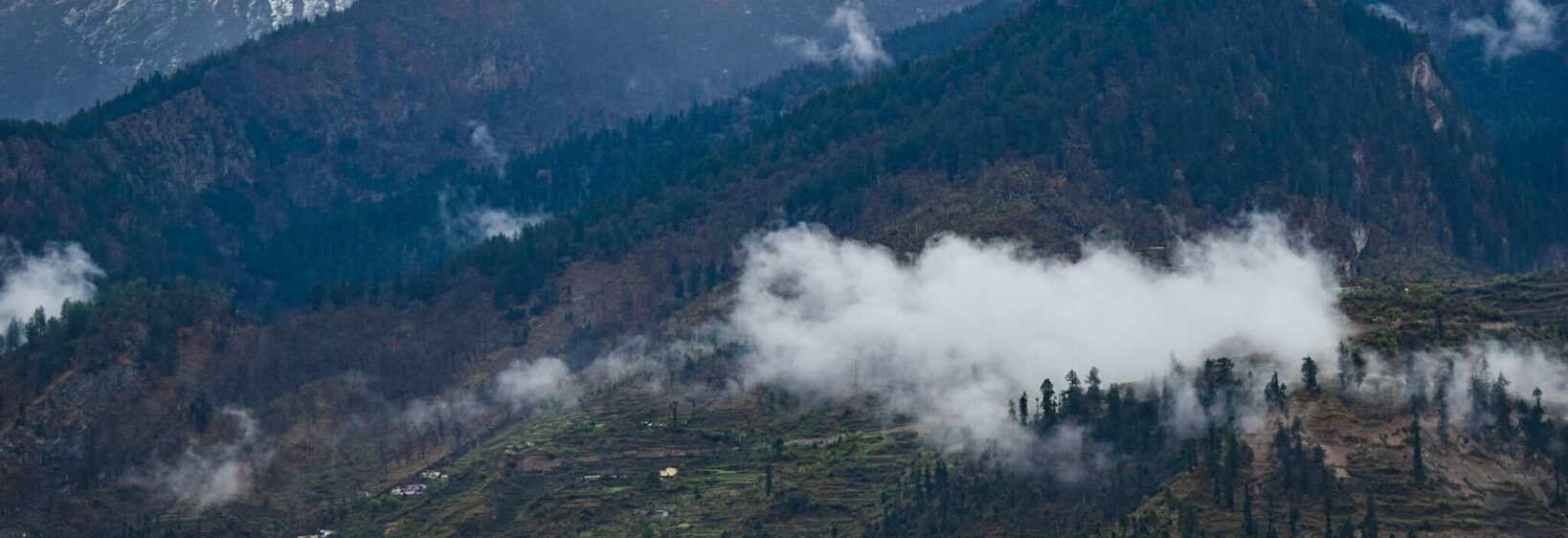
Nachiketa Lake and the pinewood trails of Uttarkashi
Nachiketa Lake, or Nachiketa Tal, is a peaceful alpine water body in Uttarkashi district, surrounded by pine, oak and deodar forest. The destination feels far removed from the busier pilgrimage routes, with a short woodland walk leading to a clear mountain lake and broad views of the Himalayan landscape.
The lake sits at roughly 2,450 metres above sea level. Travellers usually reach Chaurangi Khal by road from Uttarkashi and then follow a forest trail of about three kilometres. The walk is manageable for many visitors, although uneven ground, steep sections and changing weather make proper footwear essential.
For Australians accustomed to marked tracks around Melbourne’s Dandenong Ranges, Sydney’s Blue Mountains or the Grampians, this trek offers a wilder experience. Trail signs may be limited, mobile reception can disappear, and local guidance is valuable when weather or forest conditions change.
Reaching the lake from Uttarkashi
Uttarkashi is connected by road with Rishikesh, Haridwar and Dehradun. Shared jeeps, buses and private taxis are commonly used, but journeys through the Garhwal Himalaya take longer than the distance on a map suggests. Narrow mountain roads, traffic near towns and occasional road repairs can affect travel times.
From Uttarkashi, the route climbs towards Chaurangi Khal through quiet villages and forested slopes. The final approach is generally made on foot. Travellers should carry drinking water, snacks and a small first-aid kit because shops are scarce near the lake. A local driver or guide can also help with road conditions and the correct trailhead.
Walking through the pinewood forest
The path to Nachiketa Lake passes through fragrant pine and mixed Himalayan woodland. In spring and early summer, forest clearings may show wildflowers, while autumn brings crisp air and clearer mountain views. Birdwatchers can look for Himalayan species, though sightings are never guaranteed.
The trail can become slippery after rain and particularly cold in winter. Australians visiting during the Victorian or New South Wales school holidays may find the altitude and dry mountain air surprisingly tiring, even on a short hike. Walking slowly, taking regular rests and protecting exposed skin from strong sunlight are sensible precautions.
The character of Nachiketa Tal
Nachiketa Tal is a small, tranquil lake rather than a developed resort. Its quiet setting is part of its appeal: there are no large cafés, amusement facilities or busy waterfront promenades. The surrounding forest creates a reflective atmosphere that suits photography, birdwatching and unhurried walks.
Local tradition gives the lake a spiritual character, as with many Himalayan water bodies. Visitors should avoid loud music, littering and disruptive behaviour around the shore. A reusable bottle, packed food and a bag for carrying rubbish help preserve the clean appearance of the site.
Best seasons for a visit
April to June offers comfortable daytime conditions, green forest and generally accessible trails. September to November is also attractive, with clearer skies after the monsoon and excellent visibility across the surrounding ridges. The monsoon months can bring rain, leeches, landslides and muddy paths, so road and weather checks are important.
Snow or ice may affect access in winter, depending on conditions. Australian visitors should remember that Indian hill stations can have limited heating, so a warm layer is useful even when the daytime forecast looks mild. A lightweight waterproof jacket is practical in every season.
Practical planning for Australian travellers
A trip from Brisbane, Perth or Adelaide usually involves reaching Delhi, then travelling onwards by air or road towards Dehradun, Rishikesh or Haridwar. Building extra time into the itinerary is wise because mountain transport does not follow the predictable schedules familiar from major Australian cities. Cash is still useful in smaller villages, where card terminals and ATMs may be unreliable.
Australian travellers should also check passport, visa and travel-insurance requirements before departure. Trekking coverage should include hiking at altitude and emergency transport. Drone users need to follow Indian aviation rules and local restrictions; carrying or flying a drone near sensitive religious or forest areas without checking permission can create serious problems.
Combining the lake with Uttarkashi
Nachiketa Lake works well as part of a broader Uttarkashi itinerary. Visitors can explore riverside settlements, traditional temples and nearby Himalayan viewpoints, then continue towards destinations such as Gangotri, subject to road and seasonal access. Accommodation ranges from simple guesthouses to small hotels, with comfort and availability varying outside the main town.
Photography enthusiasts can browse Uttarakhand travel photographs before planning a route through the region. Images are useful for understanding the changing terrain, village architecture and forest scenery, while local advice remains essential for current road conditions and trail access. Nachiketa Tal’s quiet shore and pine-scented approach make it a memorable short trek for travellers seeking a gentler Himalayan escape.