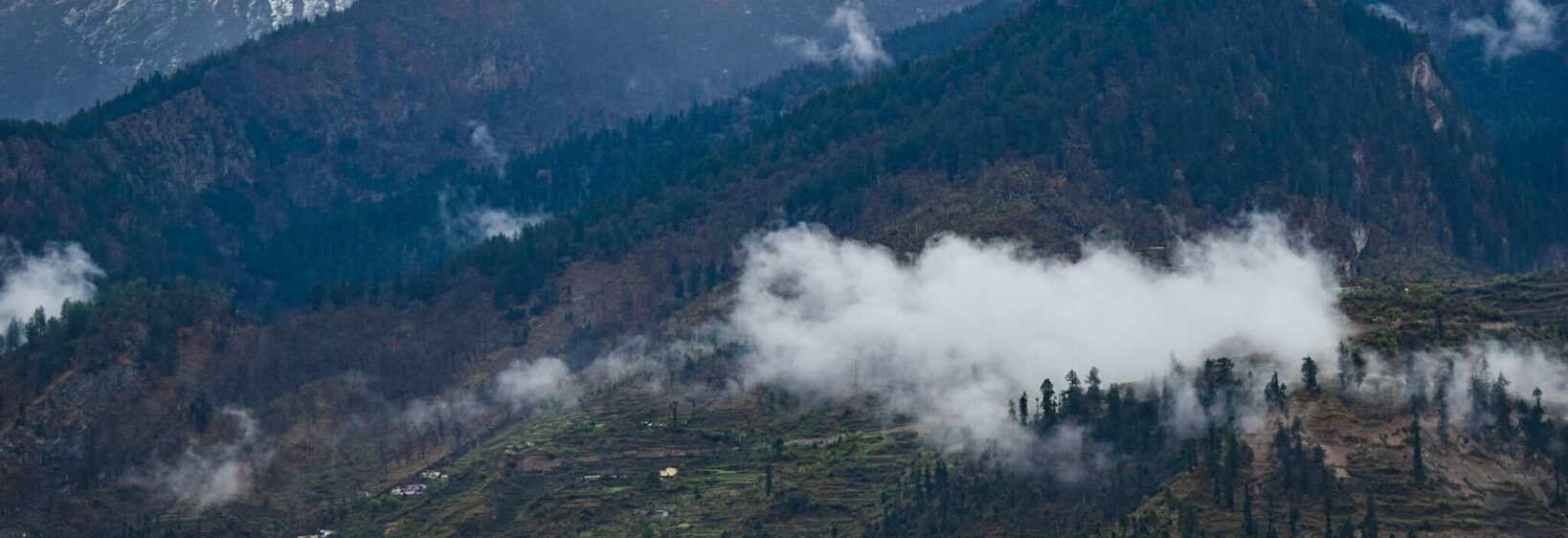
A Trek To The Nag Tibba Summit With Overnight Camping
Nag Tibba is one of Uttarakhand’s most accessible high-altitude treks, offering forest trails, open meadows, village life, and wide Himalayan views without requiring a long expedition. Rising to approximately 3,022 metres, the summit is a rewarding weekend destination from Dehradun, Mussoorie, or Rishikesh.
The usual plan takes two days and one night. Trekkers drive to Pantwari, walk to the campsite near Khatian, spend the night under the hills, and climb to the summit early the next morning. Clear weather can reveal peaks including Swargarohini, Bandarpoonch, Gangotri, Kedarnath, and parts of the Doon Valley.
This route suits beginners with reasonable fitness, families with older children, and experienced hikers looking for a short escape. The trail still involves steep sections, cold nights, and changing mountain weather, so thoughtful preparation makes the experience safer and more enjoyable.
Why Nag Tibba Works For A Weekend
The trek begins at Pantwari village in the Tehri Garhwal region. Road travel from Dehradun generally takes several hours, depending on traffic and weather, while the walking distance to the camping area is commonly around 5 to 6 kilometres. The trail passes through oak and rhododendron forests before opening into grassy clearings.
Nag Tibba is especially attractive during spring, when rhododendrons add colour to the slopes, and during autumn, when the skies are often crisp and transparent. Winter may bring frost or snow, while the monsoon creates slippery paths and cloud-covered views. Checking local conditions before departure is essential.
Planning Transport And Permissions
A private vehicle or pre-arranged taxi is the most convenient way to reach Pantwari. Shared transport may be available towards Nainbagh or nearby towns, but the final village connection can be limited. Start early from Dehradun so that the hike begins in daylight and the group reaches camp with enough time to settle in.
Camping rules and forest access requirements can change by season or local administration. Use an authorised campsite or trekking operator when possible, and confirm whether permits, entry charges, tents, meals, or local guide services are included. Travellers extending their Uttarakhand itinerary can also compare the Kuari Pass views before choosing a longer Himalayan route.
Pack a government-issued identity document, cash for village services, a headlamp, reusable water bottles, sunscreen, a rain layer, warm clothing, and basic medicines. Mobile connectivity may be unreliable, so download maps and share your travel plan with someone at home.
Route Details At A Glance
The first section from Pantwari is often the steepest, with a gradual climb along a broad ridge and village-side paths. After the initial ascent, the forest trail becomes more peaceful, although loose stones and exposed roots require careful footing. Local guides can help with navigation, especially in mist or fading light.
The next morning usually begins before sunrise. From the campsite, the path continues towards Nag Devta temple and then rises across open ground to the summit. The final climb can feel demanding because of the early hour and cold air, but the open panorama makes the effort worthwhile.
| Trek Element | Typical Details |
|---|---|
| Starting point | Pantwari village |
| Trek duration | Two days, one night |
| Summit height | About 3,022 metres |
| Walking distance | Roughly 15–16 kilometres return |
| Best seasons | March to June and September to December |
| Main difficulties | Steep ascent, cold nights, slippery paths |
| Camping style | Tented campsite or organised camp |
Making The Night At Camp Comfortable
Reach the campsite before sunset whenever possible. Once the tent is assigned, organise your sleeping bag, dry clothes, torch, and water where they can be reached easily. Temperatures drop sharply after dark, so wear layered clothing rather than relying on a single heavy jacket.
Most organised camps provide simple vegetarian meals, tea, bedding, and basic washroom facilities, but standards vary. Confirm arrangements in advance if you need special food or have medical requirements. Avoid wandering far from camp after dark, and keep food sealed so that it does not attract animals.
A warm drink and an early dinner are useful before the summit start. Limit alcohol, which can worsen dehydration and reduce the body’s ability to stay warm. Hydration remains important even when the cold reduces the feeling of thirst.
Reaching The Summit For Sunrise
Leave camp with a headlamp and enough water for the ascent. The summit trail may be dark, narrow, or icy in winter, so maintain a steady pace and avoid rushing. Short breaks are better than long stops, particularly when the wind is strong.
At the top, allow time for photographs without crowding the summit area. A wide-angle lens captures the ridges, while a telephoto lens can help frame distant snow peaks. Keep spare batteries inside an inner pocket because cold temperatures reduce battery life. On the return, take care on downhill sections, where fatigue increases the risk of slipping.
Those planning a pilgrimage or extended mountain journey may find the Kedarnath route guide useful for comparing a short weekend trek with a more demanding Himalayan itinerary.
Responsible Travel On The Trail
Nag Tibba’s charm depends on its forests, quiet villages, and uncluttered ridgelines. Carry every wrapper back to the road, use designated toilets, and avoid loud music near homes, camps, and forest areas. Do not pick flowers, carve names into trees, or disturb birds and wildlife.
Support the local economy by hiring village guides, buying meals from local providers, and choosing accommodation or camps that manage waste responsibly. Ask permission before photographing residents, temples, or private property. A respectful visit leaves the landscape and community ready to welcome the next group.
Practical Choices For A Better Trek
A few simple decisions can improve comfort, safety, and the quality of photographs:
- Choose sturdy shoes with good grip instead of casual sports trainers.
- Carry two warm layers, a waterproof shell, gloves, and a cap for the night.
- Start the summit walk early to improve visibility and avoid strong afternoon weather.
- Keep a small first-aid kit with blister treatment, personal medicines, and oral rehydration salts.
- Book transport, camping, and guide services before weekends and holiday periods.
Nag Tibba offers a compact taste of the Garhwal Himalayas, combining a manageable trail with memorable forest scenery and sunrise views. Arrange a responsible local guide, check the weather, pack lightly but warmly, and set out from Pantwari ready to spend an unhurried night in the mountains.