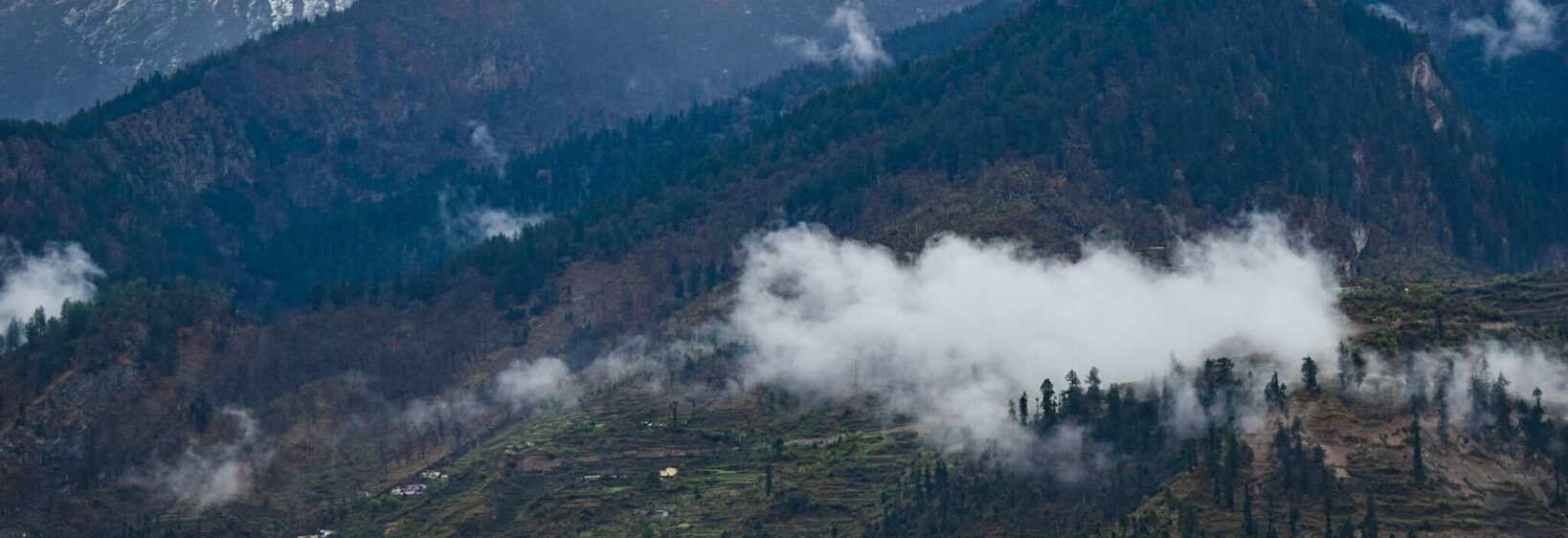
Kedarnath Wildlife Sanctuary Trekking And Birding Guide
Kedarnath Wildlife Sanctuary is one of Uttarakhand’s richest mountain landscapes, combining alpine meadows, oak forests, conifer slopes, rushing rivers, and high glacial valleys. Although many visitors know the region through the Kedarnath pilgrimage, its forests and ridgelines also offer rewarding opportunities for trekking, wildlife observation, and Himalayan birding.
The sanctuary covers a vast area in the Garhwal Himalaya, with habitats ranging from lower temperate woodland to alpine terrain. Musk deer, Himalayan tahr, goral, serow, black bear, and leopard may inhabit these forests, while birds bring colour and movement to quiet trails.
Photography is especially rewarding here because changing weather creates dramatic light over the Mandakini Valley and surrounding peaks. Travellers interested in mountain landscapes can also study this sunset photography guide before bringing a camera into the sanctuary.
A Landscape Of Forests And High Valleys
The sanctuary lies around the upper Mandakini region and includes steep river valleys, dense broadleaf forests, and high-altitude pastures. Oak, rhododendron, birch, fir, and deodar appear at different elevations, creating varied habitats for both resident and migratory species.
Spring brings flowering rhododendrons and active birdlife, while autumn usually offers clearer mountain views. Summer is suitable for higher walks, although afternoon cloud and rain can affect visibility. Winter transforms the upper slopes with snow and restricts access to several routes.
Preparing For The Trek
Most visitors approach the Kedarnath area through Sonprayag and Gaurikund. The main Gaurikund–Kedarnath trail is busy during the pilgrimage season, but it passes through forested sections where careful observers may still find birds. Early starts provide quieter conditions, cooler temperatures, and better wildlife activity.
Carry layered clothing, rain protection, sturdy footwear, water purification supplies, a first-aid kit, and a headlamp. Accommodation and food are available in major settlements during the open season, but facilities become limited on less-travelled trails. Check current road, weather, forest, and pilgrimage regulations before departure.
Trails Worth Exploring
The route from Gaurikund to Kedarnath is physically demanding because of its length, changing gradient, and altitude gain. It is best treated as a full-day mountain journey or divided with an overnight stay, depending on fitness and current trail conditions.
Other nearby walks offer a quieter experience. The Chopta–Tungnath region is known for alpine scenery and birdwatching, while routes towards high lakes and meadows require stronger preparation. Local guides are valuable for identifying safe paths, seasonal closures, and signs of wildlife.
| Route Or Area | Main Experience | Birding Potential | Typical Challenge |
|---|---|---|---|
| Gaurikund to Kedarnath | Pilgrimage trail, forests, river views | Good in quieter morning sections | Long and strenuous |
| Chopta to Tungnath | Rhododendron woodland and alpine meadow | Excellent for pheasants and mountain songbirds | Steep ascent |
| High meadow routes | Open landscapes and wide Himalayan views | Best for raptors and high-altitude species | Weather and altitude |
| Forest paths near settlements | Woodland walks and local scenery | Good for mixed flocks | Mud, uneven ground, and limited signage |
Birds To Watch Along The Way
The Himalayan monal is among the most sought-after sightings, particularly around forest edges and meadow margins. Koklass pheasant and kalij pheasant may also appear in suitable woodland, although both are shy and often detected through rustling vegetation before they are seen.
Look for white-capped redstarts beside streams, blue whistling thrushes in shaded gullies, and verditer flycatchers in open forest. Himalayan griffons and lammergeiers may circle above ridges, while smaller woodland species can include tits, nuthatches, treecreepers, and laughingthrushes.
Birding is most productive during the first few hours after sunrise. Move slowly, pause frequently, and scan branches and slopes rather than focusing only on the trail. A compact pair of binoculars and a field guide or offline birding app can greatly improve identification.
Responsible Wildlife Encounters
Wild animals in the sanctuary are sensitive to noise, sudden movement, and human food. Never approach, call toward, feed, or surround an animal for a photograph. Keep a safe distance from monkeys, bears, and large mammals, and follow instructions from forest staff or local guides.
Stay on established paths where possible and carry all waste back to a suitable disposal point. Avoid loud music, disposable plastics, campfires in unauthorised areas, and picking flowers or plants. Since Himalayan ecosystems recover slowly, small choices by visitors have a lasting effect.
Practical Tips For Better Sightings
A patient trekking style usually produces better encounters than covering distance quickly. Wear muted colours, protect camera equipment from rain and dust, and keep lenses ready when entering forest clearings. Do not use flash near birds or animals, especially in low light.
- Begin walks before sunrise and pause at forest edges.
- Carry binoculars, spare batteries, water, and basic first aid.
- Hire a registered local guide for unfamiliar or remote routes.
- Record bird sightings without playback or repeated calls.
- Check weather, permits, transport, and trail conditions before leaving.
The sanctuary rewards visitors who allow time for silence. A short pause beside a stream may reveal more than a hurried climb, while changing cloud, birdsong, and distant peaks create memorable photographs without disturbing the landscape.
Plan a responsible journey through the Kedarnath region, choose a suitable trail, and keep your camera ready for the forests, birds, and mountain light of this remarkable Himalayan sanctuary.