Patal Bhuvaneshwar Caves: An Underground Temple Mystery
Deep beneath the hills of Pithoragarh district lies a sacred limestone cavern where geology, mythology, and devotion meet. Patal Bhuvaneshwar is more than a natural cave; it is a living pilgrimage site shaped by water, stone, and centuries of religious imagination.
The cave is reached through a narrow entrance near Gangolihat. After descending into the darkness, visitors encounter naturally formed chambers, dripping rock, underground passages, and mineral shapes associated with Hindu deities. Dim light, cool air, and the sound of water create an atmosphere unlike the open-air temples of the Himalayas.
For wider journeys through Uttarakhand’s landscapes and heritage, the Uttarakhand travel stories on UK Photos Gallery offer useful context. A visit to this subterranean shrine fits especially well into a route covering Kumaon temples, hill villages, and scenic mountain roads.
Where The Cave Lies
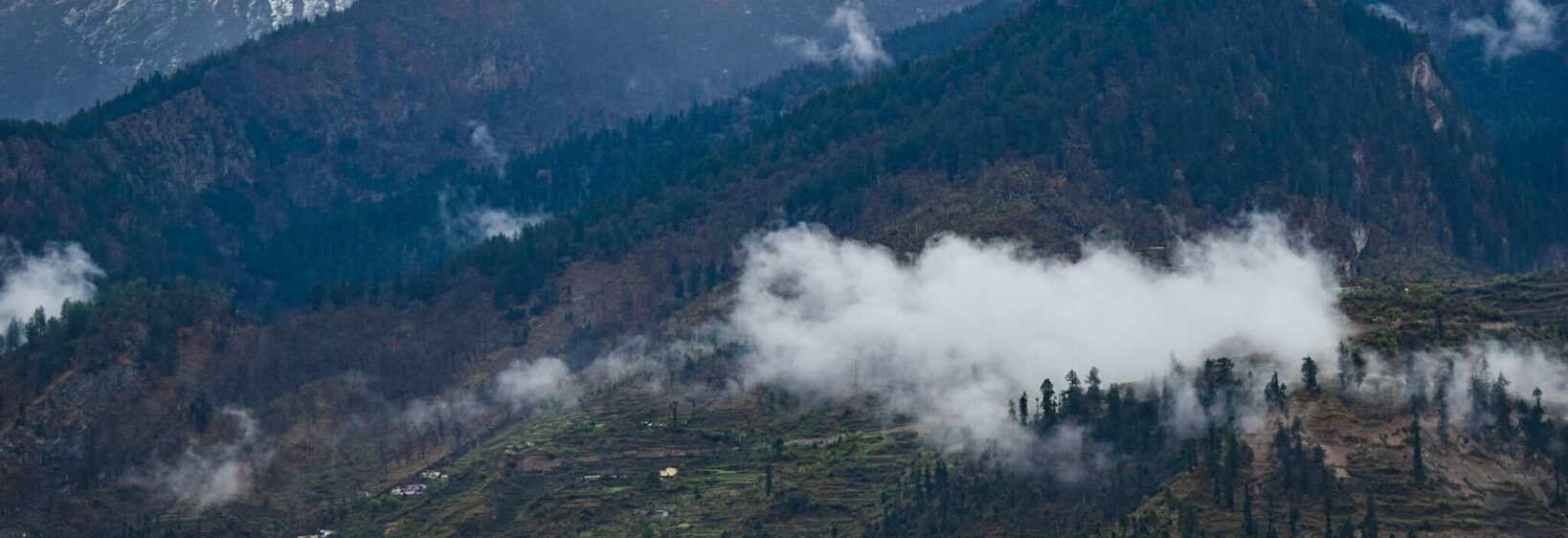
Patal Bhuvaneshwar is located close to Gangolihat, around 90 kilometres from Pithoragarh. The road climbs through forested Himalayan terrain, with changing views of ridges, fields, and small settlements. The final approach leads to the temple complex and the cave entrance.
The name combines “Patal,” referring to the subterranean realms, and “Bhuvaneshwar,” associated with the Lord of the worlds. Local tradition considers the cave a powerful Shiva shrine. Although the site is naturally formed, its religious identity has developed through legends preserved by priests and pilgrims.
A Shrine Shaped By Water And Stone
Inside, the passage narrows and widens into chambers containing stalactites and stalagmites. Water continuously influences the limestone, creating unusual textures and hanging formations. Some shapes are interpreted as representations of Shiva, Ganesha, Sheshnag, and other figures from Hindu tradition.
These forms are part of the spiritual experience rather than a conventional display of carved idols. The cave’s sacred geography is understood through faith, oral storytelling, and the guidance of local temple attendants. A trained guide is valuable because the route can be confusing and the floor may be slippery.
Legends Beneath The Himalaya
One popular legend connects Patal Bhuvaneshwar with the Pandavas and other figures from the Mahabharata. Another tradition says that King Rituparna discovered the cave, while later accounts associate Adi Shankaracharya with its religious significance. These stories are difficult to verify historically, but they remain central to the shrine’s identity.
Devotees believe the cave contains symbolic traces of many Hindu pilgrimage sites. The idea of an entire sacred world existing underground gives the place its enduring mystery. Similar links between landscape and worship can be found in the ancient temples of Joshimath, where mountain geography also forms part of the spiritual journey.
What Visitors Can Expect
The descent is not suitable for rushing. Stone steps and tight sections require balance, and visitors may need to bend or move carefully. The interior remains cool throughout the year, while the surface temperature can vary significantly between summer and winter.
| Visitor Aspect | Patal Bhuvaneshwar Experience | Practical Note |
|---|---|---|
| Setting | Underground limestone cave shrine | Expect darkness, moisture, and uneven surfaces |
| Main attraction | Natural formations linked with Hindu mythology | Interpretations are explained by local guides |
| Best travel period | Spring, summer, and early autumn | Avoid periods of heavy rain when roads may be difficult |
| Clothing | Comfortable, modest clothing with firm footwear | Carry a light layer for the cool interior |
| Photography | May be limited inside sacred areas | Follow temple instructions before taking pictures |
| Ideal visit style | Pilgrimage, heritage travel, and nature exploration | Allow time for the road journey and cave descent |
Planning The Journey
The cave can be approached from Pithoragarh, Almora, or nearby Kumaon destinations, although driving times depend on road conditions. Many travellers combine it with visits to Gangolihat’s other temples and viewpoints. Starting early is sensible, particularly when travelling by local bus or a private vehicle on winding mountain roads.
Accommodation is available in and around nearby towns, but options may be simpler than those in major hill stations. Carry drinking water, basic medicines, and cash for local expenses. Mobile connectivity can be inconsistent, so save maps and essential contact details before leaving the main towns.
Respectful Cave Tourism
Patal Bhuvaneshwar is both a fragile geological environment and an active place of worship. Touching formations, leaving litter, shouting, or using bright flashes can damage the atmosphere and disturb other pilgrims. The cave should be treated as a temple first and a sightseeing location second.
Local guides, priests, and shopkeepers help sustain the visitor experience. Listening to their explanations adds depth to the journey and supports the community around the shrine. Visitors should also check current opening hours, entry arrangements, and weather conditions before setting out.
Practical Recommendations For A Better Visit
- Wear shoes with strong grip and avoid carrying bulky bags into the cave.
- Reserve extra time for the mountain drive, rest stops, and the guided descent.
- Visit during a dry-weather window when roads and steps are safer.
- Ask permission before photographing religious areas or local residents.
- Combine the cave with nearby temples for a fuller Kumaon heritage itinerary.
The underground temple at Patal Bhuvaneshwar reveals a different side of Uttarakhand, where natural rock formations become part of sacred storytelling. Add it to a carefully planned Kumaon route, travel respectfully, and record the journey through photographs and notes that preserve the atmosphere of this remarkable Himalayan shrine.