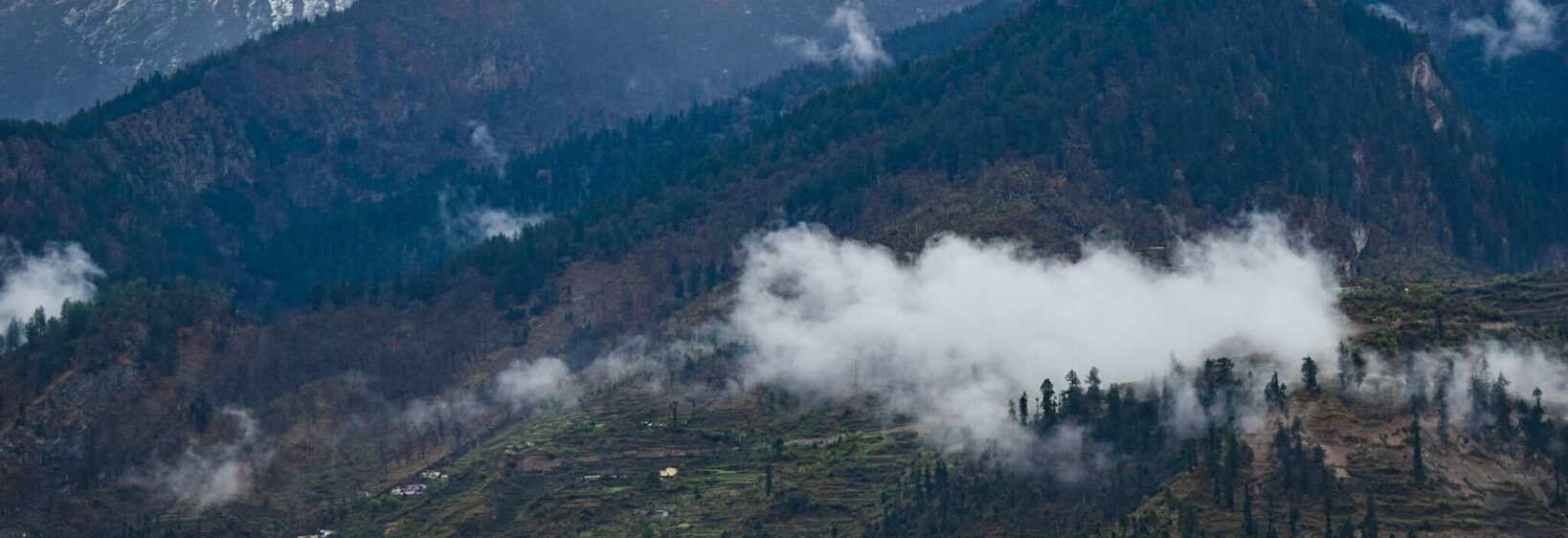
Tapt Kund and Badrinath hot springs: healing waters and pilgrimage
Perched at roughly 3,000 metres in the upper Garhwal Himalaya, the Badrinath hot springs known locally as Tapt Kund form a small but powerful prelude to one of Hinduism's holiest shrines. The natural pool sits beside the Alaknanda River, downstream from the Badrinath temple complex. Pilgrims treat a soak here as essential preparation before entering Lord Vishnu's mountain abode.
For Australian travellers, the site offers something rarely found in the Sydney-Melbourne-Brisbane wellness circuit. Where suburban day spas focus on aesthetic pampering, Tapt Kund delivers a raw, ritualised experience blending geothermal heat with centuries of devotion. The thermal outflow emerges from a fissure in the Vishnu Prayag rock shelf, producing water near forty-five degrees Celsius. Visitors from Perth or Adelaide often arrive expecting a quiet scenic stop and find themselves in a living ceremony instead.
The kund sits within the Badrinath Dham precinct, one of the four dhams of the Char Dham Yatra. Devotees bathe here before the morning aarti, then proceed to the main temple for darshan. The act of washing is treated as both a physical and spiritual reset, clearing mountain fatigue and symbolically purifying the soul.
This article traces the geography, science, rituals and traveller logistics of Tapt Kund, with comparisons to other famous thermal sites. Whether you are an experienced trekker from the Blue Mountains or a first-time visitor to the Indian Himalaya, the following sections will help you plan respectfully.
Where Tapt Kund sits in the Garhwal landscape
Tapt Kund occupies a narrow ledge between the Joshimath-Badrinath highway and the Alaknanda. The pool measures roughly fifteen by eight metres, fed by a continuous spring that deposits a faint sulphur scent across the flagstones. Upstream, the view reaches toward Mana village, the last inhabited settlement before the Tibetan plateau.
Most visitors arrive via Haridwar or Dehradun, then drive up to Joshimath and on to Badrinath. The closest airport, Jolly Grant, receives limited international flights, so Australians usually fly into Delhi and connect onwards. The road from Joshimath climbs through hairpin bends that test even seasoned outback drivers.
The science behind the therapeutic waters
The spring is classified as a sulphur spring, with trace amounts of calcium, magnesium and radium reported in regional surveys. Local Ayurvedic practitioners claim benefits for skin ailments, joint stiffness and respiratory congestion, attributing the reputation to the high sulphur content. Independent verification is limited, yet visitors consistently describe the soak as invigorating.
Water temperatures hover between forty-three and forty-five degrees Celsius, cooling slightly where the pool meets the river. The kund is partially covered, allowing steam to rise against the cold morning air. For travellers accustomed to Mornington Peninsula resorts, the temperature is familiar but the cultural context entirely different.
Pilgrimage rituals observed at the kund
Daily rituals follow the temple's schedule. Pilgrims gather before dawn, change into cotton garments and enter the pool in a respectful order. Priests oversee the bathing area, collecting donations and ensuring equitable access for trekkers, families and sadhus.
After bathing, visitors offer prayers to Vishnu and Lakshmi, leave flowers or coins in the water and proceed barefoot to the main shrine. Photography during worship is inappropriate, though the terraces offer wide-angle views for documentation. The sequence repeats after evening aarti, when many pilgrims return for a second cleansing dip.
Comparing famous hot springs around the world
| Hot spring | Country | Temperature | Mineral profile | Cultural focus | Best season |
|---|---|---|---|---|---|
| Tapt Kund | India | 43 to 45°C | Sulphur, calcium, magnesium | Hindu pilgrimage | May to June, September to October |
| Japanese onsen | Japan | 38 to 42°C | Varied minerals | Traditional bathing ritual | Year-round |
| Peninsula Hot Springs | Australia | 36 to 43°C | Geothermal mineral water | Wellness retreat | Year-round |
| Blue Lagoon | Iceland | 37 to 40°C | Silica, algae | Spa and relaxation | Year-round |
| Rotorua pools | New Zealand | 30 to 60°C | Sulphur and silica | Maori cultural tourism | Year-round |
This snapshot frames Tapt Kund against better-known thermal sites. Australians familiar with Mornington Peninsula pools will find the temperature range familiar, though the spiritual atmosphere at Badrinath is far more intense. Those planning broader Asia-Pacific thermal circuits can read a budget onsen guide covering etiquette and pricing across regions comparable to the Garhwal Himalaya.
Planning a visit from Australia
Australians need an Indian tourist visa, easily arranged online. The optimal window is May to June or September to October, when the road is open but crowds are thinner than peak July-August. Layered clothing is essential, as morning temperatures near the pool drop below zero even when the water stays warm. Travel insurance covering high-altitude trekking is recommended.
Direct flights from Sydney and Melbourne to Delhi take around eleven hours. Most visitors take a domestic hop to Dehradun before the mountain drive. Tour operators in Delhi and Rishikesh cater to Char Dham circuits, many with options tailored to international guests.
Etiquette and cultural sensitivity
Modesty matters at Tapt Kund. Swimwear covering shoulders and knees is appropriate, and many pilgrims bathe fully clothed in traditional cotton wraps. Leather items, including belts and bags, are usually left on the stone shelves before entering, following taboos observed at the main shrine. Alcohol is forbidden in the precinct.
Photography is welcome on the terraces but discouraged inside the pool. Visitors documenting their journey should consult local priests. Those planning a more extensive photo essay can find related image collections on UK Photos Gallery, which documents Uttarakhand's heritage sites and pilgrim circuits.
Staying near the springs
Accommodation ranges from budget guesthouses in Badrinath town to mid-range hotels in Joshimath, about fifty kilometres downhill. The GMVN tourist bungalow and a handful of dharamshalas offer simple rooms near the temple, while luxury options remain limited at this altitude. Booking early for May-June and September-October is advised.
For those comparing the experience to Japanese ryokan culture, the onsen guide linked earlier offers a useful benchmark for service expectations. While Tapt Kund has no overnight bathing facilities, the contrast highlights how each region treats thermal water as part of broader hospitality rather than a standalone attraction.