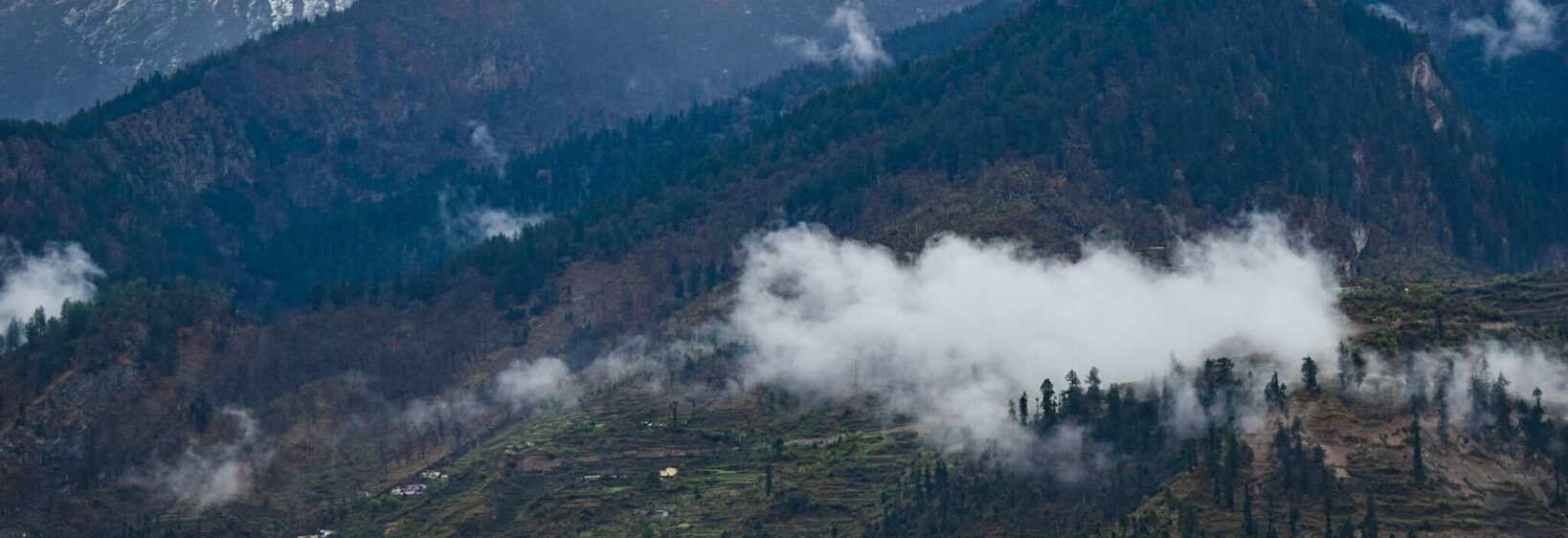
The Kainchi Dham temple and its Himalayan setting
Set in a green valley near the Nainital–Almora road, Kainchi Dham is one of Uttarakhand’s most visited spiritual landmarks. The ashram is closely associated with Neem Karoli Baba, a revered Hindu saint whose teachings continue to attract pilgrims, meditation seekers and curious travellers from around the world.
The site centres on temples dedicated to Hanuman and other deities, with forested slopes and a clear mountain stream adding to its peaceful atmosphere. Its name refers to the “scissors” shape formed by two bends in the road and valley. The landscape feels intimate rather than grand, making the visit as much about quiet observation as religious sightseeing.
For Australian visitors, the experience is different from a standard heritage stop in Sydney, Melbourne or Brisbane. Kainchi Dham is an active place of worship, so clothing, photography and personal behaviour matter. Planning for mountain roads, crowds, limited card facilities and changing weather will make the journey more comfortable.
The story of Neem Karoli Baba
Neem Karoli Baba, also known as Maharaj-ji, established the ashram in the 1960s. He became widely respected for his devotion to Hanuman, simple way of living and emphasis on service. His influence later reached international visitors, including spiritual teachers, technology figures and travellers who encountered his teachings through books and personal connections.
The ashram remains a living religious centre rather than a museum devoted to one historical personality. Visitors come to pray, sit quietly, receive prasad and experience the atmosphere created by daily worship. The June 15 festival, held to mark the ashram’s foundation, can draw very large crowds and requires extra patience with transport and queues.
What to see around the ashram
The main Hanuman temple is the focus of most visits. Bells, flower offerings, devotional singing and the movement of pilgrims create a vivid sensory experience. Shoes must be removed in designated areas, and modest clothing is appropriate. Photography may be restricted inside temple spaces, so follow posted instructions and guidance from volunteers.
The surrounding hills reward slow travel. Streams, pine-covered slopes and misty ridgelines provide a scenic backdrop, particularly during the cooler months. Travellers who enjoy combining culture with nature may appreciate this day in Nara, which similarly explores the relationship between sacred places, landscape and respectful visitor behaviour.
Planning the journey from Australia
The usual route begins with a flight to Delhi, followed by a train or road journey towards Kathgodam or Haldwani. From there, a taxi or local bus can reach Kainchi Dham in roughly one to two hours, depending on traffic and road conditions. Nainital is a popular base, while Almora and Bhowali offer alternatives for travellers building a wider Kumaon itinerary.
Australian visitors used to reliable card payments should carry Indian rupees in smaller denominations. Digital payments are common in India, but connectivity and acceptance can vary in mountain areas. Australian dollars cannot generally be used directly, and exchanging money in a major city is often easier than relying on a small roadside counter.
Practical details worth noting
- Wear shoes that are easy to remove and carry.
- Pack a light jacket, sun protection and water.
- Avoid loud conversation near prayer areas.
- Allow extra time during weekends and festivals.
A visit also fits well with a wider Uttarakhand trip featuring Nainital, Ranikhet, Almora or Mukteshwar. The personal travel archive at UK Photos Gallery offers useful visual context for the region’s towns, temples and mountain scenery.
- The dry season generally offers clearer road conditions.
- Monsoon rain can bring slippery paths and delays.
- Early morning is usually calmer than midday.
- Check local transport before leaving your hotel.
A respectful experience for international visitors
Kainchi Dham welcomes people from many backgrounds, but it is important to treat the ashram as a sacred community rather than a photo backdrop. Speak softly, dress conservatively and ask before photographing residents, worshippers or ceremonies. Visitors may see devotees sharing food and offering service, customs that are best observed with sensitivity rather than interrupted.
The atmosphere may feel familiar to Australians who enjoy bushwalking, community volunteering or quiet time in nature, though the religious setting has its own conventions. There may be queues, roadside stalls, temple bells and limited public facilities. Patience is part of the experience, especially when buses and taxis are negotiating the narrow hill road.
Extending the Kumaon itinerary
Ranikhet is a natural addition for travellers who want gardens, orchards and broad Himalayan views after visiting the ashram. The Ranikhet’s Chaubatia orchards provide a gentler contrast to the devotional energy of Kainchi Dham, with walking paths and seasonal fruit landscapes.
Nainital offers a lake, markets and colonial-era viewpoints, while Almora is known for ridge-top streets, local crafts and Kumaoni culture. Travellers should keep their itinerary flexible: mountain weather, road repairs and festival traffic can change journey times quickly. A slower schedule leaves room for chai at a roadside café, conversations with local shopkeepers and unplanned viewpoints along the route.
For many visitors, the significance of Kainchi Dham lies in its combination of devotion, community and setting. Neem Karoli Baba’s legacy gives the ashram its spiritual identity, while the Kumaon hills provide a calm and memorable landscape around it.