Best Sunset Viewpoints In Mukteshwar For Photography
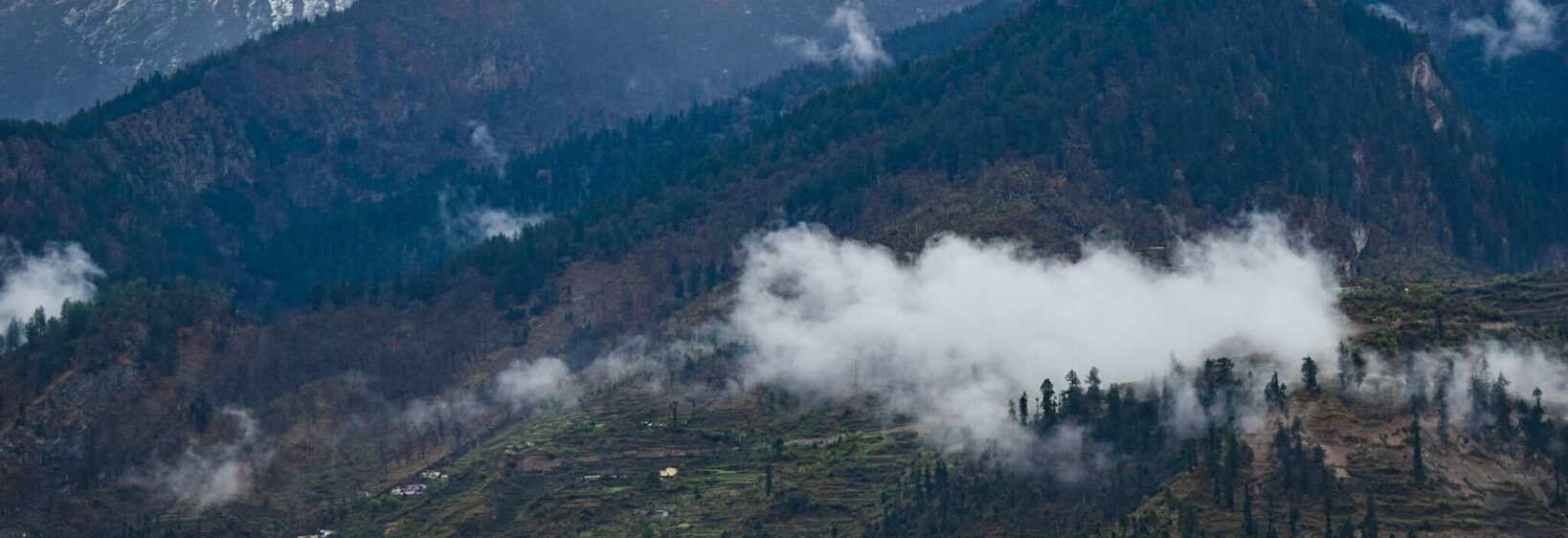
Mukteshwar, a hill town in Kumaon, offers a peaceful setting for sunset photography. Its cedar forests, open ridgelines, distant Himalayan peaks, and layered valleys create changing colours from warm gold to deep violet. The best images often come during the final hour of daylight, when shadows add depth to the landscape.
Unlike a single scenic lookout, Mukteshwar has several places with different photographic strengths. Chauli Ki Jali is ideal for dramatic rock formations, while the temple area provides a more cultural frame. Quiet roads near Dhanachuli and Bhalu Gaad can deliver wide valley views with fewer visitors.
Carry a light tripod, spare batteries, and a wide-angle lens, but keep a medium telephoto lens ready for compressed mountain layers. Clouds can make the sunset more interesting, so do not leave immediately when the sun disappears.
Chauli Ki Jali For Dramatic Frames
Chauli Ki Jali is one of the most recognisable viewpoints in Mukteshwar. The rocky overhang stands near Mukteshwar Temple and looks across steep valleys toward the Kumaon landscape. Its textured stone surfaces make a strong foreground, especially when lit by low evening sunlight.
Arrive well before sunset to find a safe composition and observe how the light moves across the rocks. Use the edge of the cliff only from stable, permitted areas; the drop is serious, and slippery surfaces become difficult to judge in fading light. A person placed well back from the edge can add scale without making the photograph feel staged.
Mukteshwar Temple And Ridge Views
The Mukteshwar Temple area combines Himalayan scenery with local religious character. Stone steps, bells, prayer flags, and the silhouette of the shrine can form meaningful foreground elements. Ask permission before photographing worshippers, and avoid blocking pathways during busy periods.
From open sections around the ridge, look for a clear western or south-western horizon. The exact view changes with trees, buildings, and seasonal haze, but the elevated position usually provides attractive layers of forested hills. A telephoto lens can isolate ridges glowing in the last light, while a wider lens can include the temple approach and sky.
Quiet Roads Near Dhanachuli
The roads around Dhanachuli and nearby orchards offer a softer alternative to the rocky viewpoints. Terraced fields, pine and cedar silhouettes, village rooftops, and winding lanes can give a sunset image a strong sense of place. These locations work especially well when thin clouds catch pink and orange light.
Traffic and private land require attention here. Stop only where vehicles can pass safely, and do not enter orchards or homes without consent. The relaxed landscape also suits slow photography: watch for smoke rising from a distant settlement, a shepherd crossing a ridge, or evening light touching a cluster of trees.
Choosing A Viewpoint For The Evening
The strongest location depends on whether the priority is a dramatic foreground, a cultural scene, or an uninterrupted horizon. Conditions can shift quickly in the hills, so keeping two nearby options in mind is more useful than committing to one spot hours in advance. Photographers travelling through Uttarakhand can also compare these highland conditions with the seasonal advice in this Auli snow guide.
| Viewpoint | Best Visual Feature | Ideal Lens | Practical Note |
|---|---|---|---|
| Chauli Ki Jali | Rock formations and valley depth | Wide angle | Use extreme caution near edges |
| Mukteshwar Temple | Cultural details and ridge layers | Standard or telephoto | Respect worship and local customs |
| Dhanachuli roads | Orchards, fields, and silhouettes | Standard lens | Park away from narrow bends |
| Bhalu Gaad area | Forest textures and open slopes | Wide or telephoto | Confirm access and return before darkness |
| Ridge viewpoints | Broad skies and mountain layers | Wide angle | Check the horizon before setting up |
Bhalu Gaad and forest-edge locations can be rewarding when the sky is partly cloudy. Their appeal is less about a famous structure and more about atmosphere: dark tree lines, fading ridges, and cool blue shadows. Travellers interested in another Kumaon landscape may find useful visual context in these Binsar forest trails.
Camera Settings For Golden Hour
Begin with a low ISO, such as 100 or 200, and adjust the aperture according to the desired depth of field. An aperture around f/8 can keep foreground rocks and distant ridges clear, while a wider aperture can separate a temple bell or tree branch from the background. Use exposure compensation carefully because bright skies can cause the foreground to become very dark.
Shoot in RAW to preserve colour and shadow detail. Bracketing is useful when the sky is much brighter than the valley, particularly at Chauli Ki Jali. A graduated filter can balance the exposure, but careful framing and later blending can achieve a similar effect.
Practical Preparation For Sunset
Sunset photography often ends after the most colourful light has faded. Carry a headlamp for the return walk, wear shoes with firm grip, and avoid unfamiliar trails after dark. Mobile reception may vary, so share your plan with your accommodation and keep transport arrangements clear.
- Reach the chosen viewpoint 45 to 60 minutes before sunset.
- Check the western horizon, cloud cover, and safe return route.
- Carry a tripod, headlamp, water, and fully charged batteries.
- Keep a safe distance from cliffs and follow local access rules.
- Photograph people, shrines, and private property respectfully.
A small weather check can save an unproductive journey, but do not dismiss a cloudy evening too quickly. Broken cloud frequently produces richer colour than a completely clear sky, and mist can give Mukteshwar’s ridges a distinctive layered appearance.
Plan an evening around one main viewpoint and one backup location, then give yourself time to observe before pressing the shutter. With careful preparation, respectful travel, and patience for changing light, Mukteshwar can produce sunset photographs that show both the beauty of the Himalaya and the character of the Kumaon hills.