Khaliya Bugyal Trek: Alpine Meadows Above Munsiyari
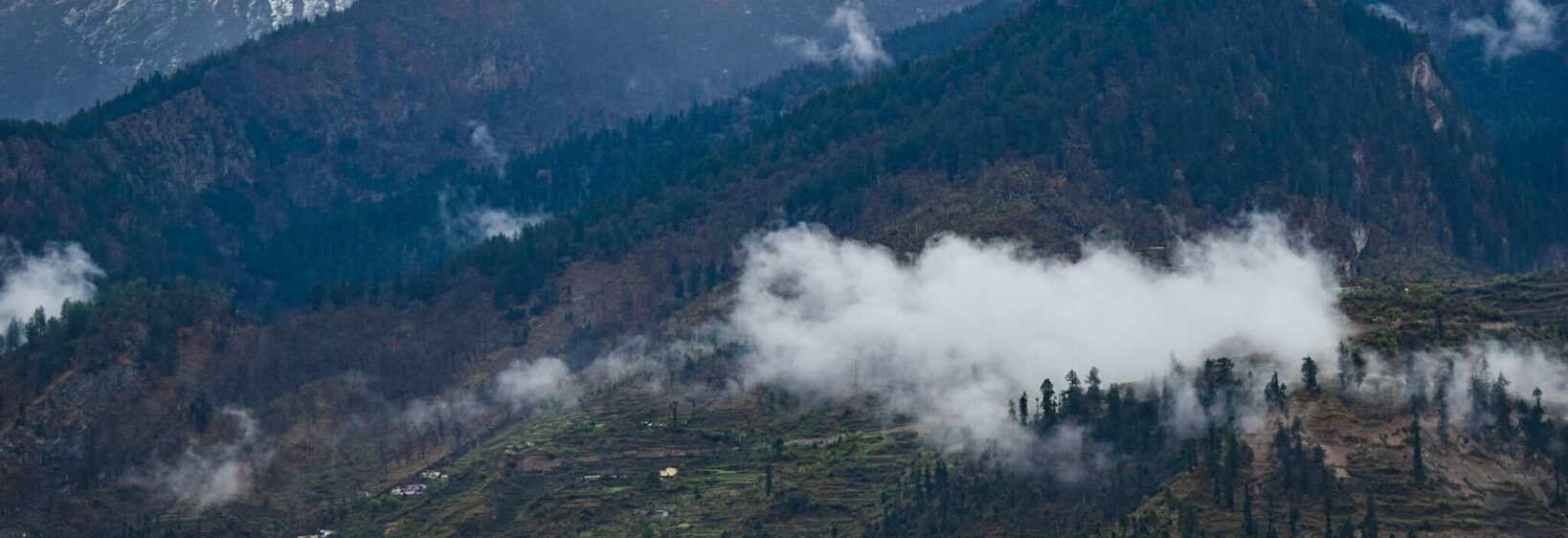
Khaliya Bugyal is a high-altitude grassland near Munsiyari in Uttarakhand’s Kumaon region. The trail climbs through oak and rhododendron woodland before opening onto broad Himalayan meadows, where views extend towards Panchachuli’s dramatic snow peaks.
For Australian walkers, the experience feels very different from a marked track in the Blue Mountains or a maintained alpine route near Melbourne. Khaliya Bugyal is quieter, more remote and more dependent on local knowledge, weather judgement and a sensible pace.
The usual walking season runs from April to June and September to November. Spring brings flowers and clear mornings, while autumn often offers crisp skies. Monsoon rain can make the path slippery, and winter snow may cover the meadow and close access.
A photo-focused look at Uttarakhand’s landscapes and culture can be found through this Uttarakhand photo guide, which helps place the trek within the wider traditions and scenery of the region.
| Trek Feature | Typical Details |
|---|---|
| Location | Near Munsiyari, Pithoragarh district |
| Approximate altitude | Around 3,500 metres |
| Walking distance | Roughly 6–8 km one way, depending on the starting point |
| Duration | One long day or two days with camping |
| Best seasons | April–June and September–November |
| Main highlights | Alpine meadows, Panchachuli views, forests and starry skies |
Reaching Munsiyari From Uttarakhand
Most travellers approach Munsiyari by road from Kathgodam, Almora or Haldwani. The journey is long, winding and scenic, passing through mountain settlements, river valleys and terraced fields. Allowing a full day or more for road travel makes the arrival less tiring.
Visitors flying from Australia will generally connect through Delhi before travelling north. Someone used to Sydney’s frequent public transport or Melbourne’s compact city transfers should expect slower mountain logistics, limited evening services and occasional delays caused by landslides or road repairs.
The Trail Through Forest And Meadow
The walk usually begins near Balati or a nearby trailhead and rises steadily through mixed Himalayan forest. Oak, rhododendron and deodar trees provide shade early in the route, while bird calls and distant mountain glimpses create a peaceful start.
As the forest thins, Khaliya Bugyal opens into rolling highland pasture. Shepherd shelters, grazing animals and weathered stone features reflect the seasonal use of these meadows. The final approach can feel strenuous because of altitude rather than technical difficulty.
Fitness, Altitude And Walking Pace
A reasonable level of fitness is important. The path includes continuous uphill sections, uneven stones and occasional muddy patches. Regular bushwalkers from Brisbane, Canberra or Perth may find the distance manageable, but the elevation requires a slower rhythm than a lowland day hike.
Spend at least one night in Munsiyari before climbing higher. Walk steadily, drink water, protect yourself from strong sun and avoid treating a headache or unusual breathlessness as something to ignore. An experienced local guide can identify safer routes when fog, snow or rain changes the track.
Camping Beneath The Himalayan Sky
A two-day itinerary allows more time to enjoy the meadow instead of rushing back to Munsiyari. Camps are generally simple, using tents, sleeping bags and basic cooking arrangements organised through local operators. Nights can become very cold, even after a sunny afternoon.
After dark, the absence of city lights creates excellent stargazing conditions. The Milky Way may appear clearly on a dry night, and the silence is broken only by wind, insects or distant bells from livestock. This is a very different outdoor experience from a busy Australian campground near the Gold Coast or Great Ocean Road.
What To Pack For The High Country
Layered clothing works best because temperatures can change quickly. A waterproof outer shell, warm fleece, woollen socks and a beanie are useful even during the warmer trekking months.
Practical items for the route include:
- Broken-in trekking shoes with firm grip
- Two to three litres of drinking water
- Sun cream, sunglasses and a wide-brimmed hat
- Headlamp, personal medication and power bank
Australian travellers should carry some Indian rupees in smaller notes for village purchases, guides and transport. Card facilities and reliable mobile coverage are limited around remote trail sections, so packing snacks bought in Munsiyari is sensible.
Food, Local Guides And Responsible Travel
Meals on the trek are usually simple and filling, with rice, lentils, vegetables, flatbreads and tea. Visitors can support family-run guesthouses, porters and local guides by booking directly through reputable Munsiyari operators and paying agreed rates clearly.
Keep the meadow clean, avoid loud music and do not disturb grazing animals or temporary shepherd camps. Pack out plastic waste, use designated toilet areas and respect local customs around temples, villages and forest land.
Planning A Comfortable Mountain Itinerary
A practical schedule includes travel to Munsiyari, a rest day, the trek and a return buffer. Extra time matters because mountain roads can take longer than expected. It also leaves room for nearby viewpoints, village walks and conversations with residents.
After a demanding trek, some Australian visitors may enjoy a slower recovery day with a warm bath or spa stop elsewhere in their travels; a guide to Japanese onsen towns offers useful cultural contrast, although Khaliya Bugyal itself is focused on wilderness rather than bathing facilities.
Khaliya Bugyal rewards travellers who value open landscapes, modest camps and a close connection with the high Himalaya. With acclimatisation, suitable clothing and local support, the meadow becomes a memorable base for sunrise views, mountain photography and quiet nights beneath the stars.