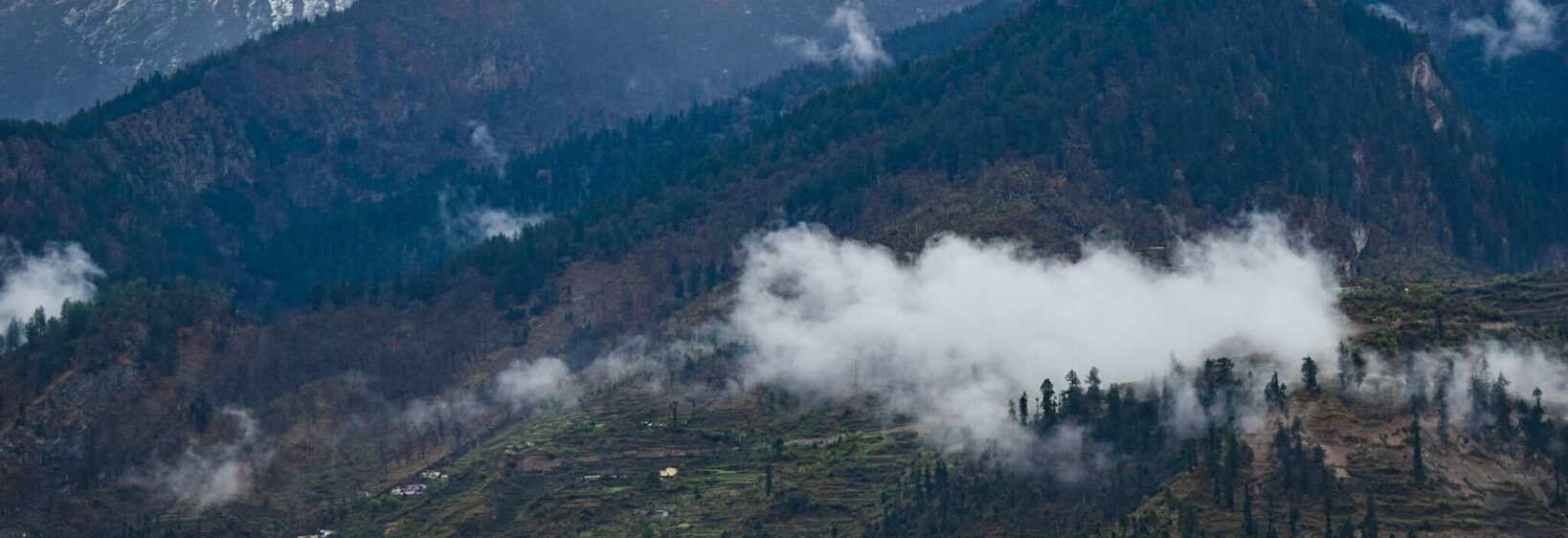
Walking Through Uttarakhand’s Himalayan Ring of Fire
The Ring of Fire Trek is a dramatic Himalayan journey shaped by high ridges, forested slopes, alpine meadows, and wide mountain views. Its name evokes the semicircle of peaks that surrounds the trail, creating a constantly changing panorama as the route climbs above the tree line.
This trek appeals to walkers who want more than a quick viewpoint. The experience combines remote villages, quiet camping grounds, rhododendron forests, mountain wildlife, and long views toward the snow-covered ranges. Conditions and itineraries can vary, so local guidance is valuable before setting out.
The route is best approached as a high-altitude adventure rather than a casual hike. Fitness, acclimatisation, weather awareness, and respect for mountain communities all contribute to a safer and more rewarding journey.
What makes the trek memorable
The main attraction is the variety of Himalayan scenery. Lower sections may pass through oak, deodar, and rhododendron woodland, while higher ground opens into grass-covered ridges with expansive views of the Garhwal and Kumaon ranges. Sunrise and late afternoon often bring the clearest light for photography.
The trail can also reveal a quieter side of Uttarakhand. Shepherd shelters, terraced fields, village paths, and seasonal grazing grounds connect the walk with everyday mountain life. Travellers interested in regional culture may enjoy extending their visit to nearby heritage sites, including the Bageshwar temple complex, before or after the trek.
Route character and mountain views
Exact itineraries depend on the operating season and the chosen approach, but most versions include a road journey to a remote trailhead, gradual forest walking, one or more ridge camps, and a high point offering a broad Himalayan panorama. Some itineraries are designed as a compact trek, while others add nearby valleys and village stays.
Expect uneven paths, steep ascents, narrow ridgelines, and sections affected by rain or snow. The most memorable viewpoints are not always marked by formal platforms; often they appear after a forest bend or on an open shoulder above camp. Allow extra time for photography without delaying the group.
When to go and how to plan
Clear spring and autumn conditions generally offer the best balance of visibility and trail access. Spring brings flowering rhododendrons and fresh greenery, while autumn is known for crisp skies after the monsoon. Winter can provide snow scenes but may close high sections, and the rainy season can bring slippery trails, leeches, cloud, and landslides.
Before booking, confirm the current trailhead, number of trekking days, camping arrangements, guide support, forest permissions, and transport plan. The name “Ring of Fire” may be used for more than one local itinerary, so a written route description is essential.
| Planning point | Practical guidance |
|---|---|
| Ideal seasons | Spring and autumn for flowers, views, and manageable trails |
| Difficulty | Moderate to demanding, depending on altitude and daily climbs |
| Accommodation | Tents, basic homestays, or a mix of both |
| Travel style | Guided group or private local arrangement |
| Main concern | Weather changes, altitude, and limited mobile connectivity |
A typical day on the trail
A trekking day usually begins early, when the air is cool and distant peaks are visible. After tea and breakfast, walkers follow a measured pace suited to the slowest member of the group. Lunch may be packed or prepared at a forest campsite, depending on the route.
Afternoons are often reserved for reaching camp, drying clothing, collecting water where permitted, and exploring nearby ridges. Evenings can become cold quickly. A warm layer, headlamp, and careful handling of food are important when staying in remote camps.
Safety, fitness, and responsible travel
Training should include regular walking, stair climbing, and carrying a light backpack. The goal is steady endurance rather than speed. Anyone unused to altitude should build in acclimatisation and report headaches, nausea, unusual tiredness, or breathlessness to the guide immediately.
Follow marked paths, avoid travelling alone, and keep a buffer day for poor weather. Carry personal medication, basic first aid, water purification supplies, and offline route information. Pack out every item of waste, avoid loud music, and do not disturb wildlife or collect plants.
Practical choices for a smoother journey
A thoughtful preparation list can make the difference between an uncomfortable outing and an enjoyable mountain experience:
- Choose a registered local guide familiar with current trail and weather conditions.
- Carry layered clothing, waterproof footwear, gloves, sun protection, and a reliable rain cover.
- Use refillable bottles and purification tablets instead of disposable plastic.
- Keep identification, permits, emergency contacts, and cash in waterproof storage.
- Add a rest day in the region before or after the trek to explore nearby towns and viewpoints.
Connecting the trek with a Uttarakhand journey
The trek can become part of a wider Himalayan itinerary including temples, lakes, markets, and cultural landmarks. Travellers continuing through the Kumaon region may find ideas in this guide to Nainital lake trails, especially if they want to balance a demanding trek with a gentler walking and photography day.
A well-planned journey leaves room for both adventure and observation: mountain sunrises, village architecture, local food, and the changing rhythm of highland roads. Contact a dependable Uttarakhand travel provider, verify the latest route conditions, and prepare for the Ring of Fire Trek with patience, fitness, and respect for the landscape.