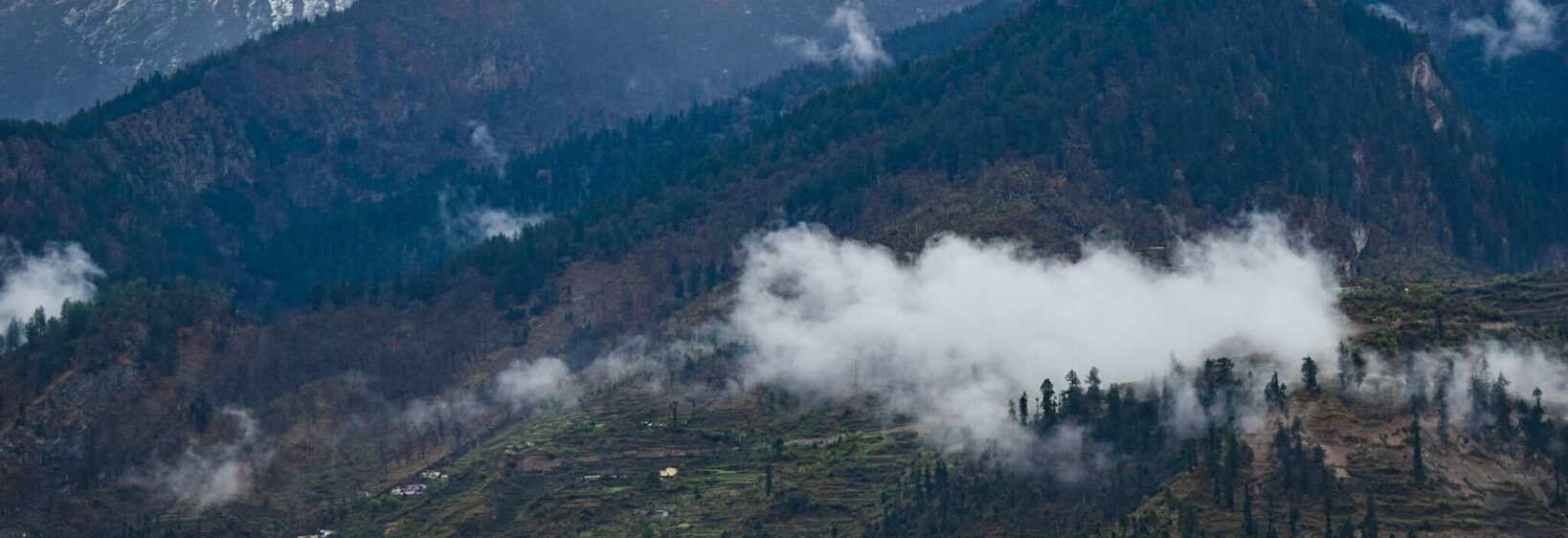
Golu Devta Temple in Almora: Bells, justice and Kumaoni faith
High in Uttarakhand’s Kumaon region, the Golu Devta Temple at Chitai is recognised for a devotional practice visitors rarely encounter elsewhere. Worshippers hang brass bells across the entrance, railings and surrounding trees after making a request or receiving the deity’s help.
Golu Devta, also called Goljyu or Goll Devta, is regarded as the god of justice. Local devotees believe he listens to sincere appeals, examines the truth and protects those who have been treated unfairly. Many people also submit handwritten letters describing their petitions.
The shrine is about 9 kilometres from Almora and can be reached by road through pine-covered hills. It is often visited alongside Almora’s other attractions, including Bright End Corner, Kasar Devi and the historic Lala Bazaar.
For Australian travellers, the journey offers a very different rhythm from a weekend drive between Melbourne and regional Victoria. Allow extra time for winding mountain roads, changing weather and short stops at village tea stalls rather than trying to fit the temple into a rushed itinerary.
The legend of a fair-minded deity
Kumaoni tradition connects Golu Devta with a royal figure whose life became associated with courage, fairness and protection. Different oral versions describe his birth and deeds in slightly different ways, yet the central idea remains consistent: Golu Devta hears the truth and responds to genuine injustice.
The deity is closely linked with horses, and images at the shrine commonly show him as a mounted guardian. His worship extends across Kumaon, with temples and small roadside shrines found in places such as Almora, Binsar, Nainital and Champawat.
Why devotees hang bells
Brass bells are the temple’s most recognisable offering. A devotee may promise to hang a bell when a wish is fulfilled, or offer one as a direct prayer for health, justice, employment, family welfare or safe travel. Once tied to the temple, the bells create a constantly shifting visual and musical landscape.
Visitors will see bells of many sizes, from tiny pendants to large metal bells suspended from beams. Some carry names and dates, while others sit among written petitions. The practice is deeply personal, so travellers should observe quietly and avoid touching offerings without permission.
Letters, vows and the promise of justice
Written appeals are another defining feature of Chitai. Devotees place letters at the shrine, trusting that their words will reach the god. The letters may concern a court dispute, a land matter, a family conflict or a personal hope that is difficult to express publicly.
This connection with justice gives the temple a special place in regional life. Golu Devta is viewed as an accessible guardian rather than a distant figure, and people from different social backgrounds come to seek a fair hearing. The shrine’s atmosphere combines faith, community memory and everyday concerns.
A respectful visit from Almora
The best time to visit is usually during the clearer months from March to June or September to November. Monsoon rain can make mountain roads slippery, while winter mornings may be cold. From Almora, local taxis are generally the most practical option, especially for travellers carrying camera equipment.
Wear modest clothing and follow instructions around the inner shrine. Ask before photographing worshippers, letters, priests or ceremonies. A small donation or bell can be purchased locally, but the meaning of the offering matters more than its price. Visitors researching other sacred landscapes can also browse this coastal temple guide for a useful comparison with Japanese shrine traditions.
Planning from Australia
Travellers departing from Sydney, Brisbane or Melbourne should allow a full day for the flight connections and road transfer before expecting to explore Almora. Comparing prices in Australian dollars helps with planning, while carrying some Indian rupees remains useful for taxis, tea shops, small market purchases and temple offerings.
Australians often book around New South Wales, Victoria or Queensland school holidays, when airfares and accommodation can rise. Mobile payments are common in Indian towns, but mountain areas may have unreliable connectivity. Check the current Indian e-Visa rules through official government channels and ensure the passport meets the required validity conditions before departure.
The surrounding market adds texture to the visit: Kumaoni woollens, copper vessels, spices and locally made snacks may be available near Almora. When buying souvenirs or arranging transport, retain receipts and agree on fares in advance. Australian Consumer Law does not generally govern purchases made in India, so clear local arrangements and sensible travel insurance are important.
Photography enthusiasts can use the wider UK Photos Gallery as inspiration for planning a visual journey through Uttarakhand. At Chitai, however, the strongest images often come from observing patiently—the dense bells, pine forests, handwritten prayers and quiet movement of worshippers.